
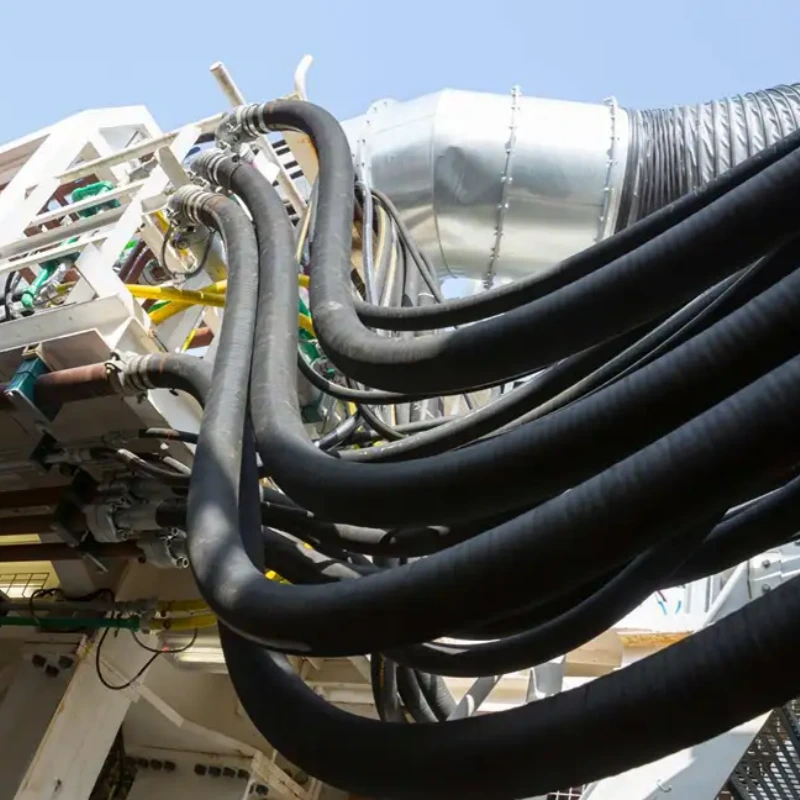
You rely on petroleum hoses to keep oilfield operations running safely and efficiently. These hoses deliver fluids like drilling mud, cement slurry, and production fluids with precision, helping you avoid costly delays or hazards.
The characteristics of petroleum hoses—such as durability, flexibility, and chemical resistance—make them indispensable in tough environments. Alienfrac leads the industry by combining advanced technology with strict safety standards, ensuring every hose supports your need for reliability and performance.
Key Takeaways
- Choose petroleum hoses made from durable materials like rubber and synthetic fibers for long-lasting performance in harsh oilfield conditions.
- Understand pressure and temperature ratings to ensure hoses can handle the demands of your operations safely and effectively.
- Select hoses with proper reinforcement, such as steel wire, to enhance durability and resistance to wear and pressure.
- Prioritize flexibility in hoses to reduce kinking and bending, which can lead to premature failure and safety hazards.
- Regularly inspect and maintain hoses to extend their service life and ensure compliance with safety standards.
Key Characteristics of Petroleum Hoses
Material and Construction
When you choose petroleum hoses for oilfield operations, you need to focus on the materials and construction. The most common materials include composite and rubber constructions. These materials offer several advantages:
- Durability for long-term use in harsh environments
- Lightweight design for easier handling
- Flexibility to adapt to different setups
- Versatility for a wide range of applications
Alienfrac uses tough, oil-resistant rubber and advanced synthetic fibers or steel wire reinforcement in its hoses. This combination ensures that the characteristics of petroleum hoses meet the demands of modern oilfields.
The careful selection of materials helps prevent leaks and chemical reactions, keeping your operations safe and efficient.
Pressure and Temperature Ratings
You must consider pressure and temperature ratings when selecting petroleum hoses. These ratings determine how well a hose performs under oilfield conditions. The following table shows typical values:
| Application Type | Temperature Rating (°C) | Pressure Rating (psi) |
|---|---|---|
| General Use | -40 to 150 | 100 – 300 |
| Specialty Variants | Up to 200 | Above 10,000 |
| Hose Type | Working Pressure (psi) | Safety Factor |
|---|---|---|
| Standard Petroleum Hose | Up to 300 | 4:1 |
The pressure rating of petroleum hoses is essential for their performance in oilfield environments. It dictates their ability to handle high-pressure situations. This directly impacts safety by reducing the risk of hose failures, which can lead to hazardous spills or accidents.
Alienfrac’s hoses are engineered to withstand pressures up to 3,000 psi or more, giving you confidence in every operation.
Reinforcement and Durability
Reinforcement plays a key role in the characteristics of petroleum hoses. You will find several types of reinforcement in high-quality hoses:
- Steel wire braided structure
- Steel wire winding structure
- A hybrid structure combining both braided and winding
The wound structure hose offers superior pulse pressure resistance compared to the braided structure. This is because the wrapped steel wires have no interweaving points, which reduces local friction and enhances durability.
Steel wire reinforcement provides high-pressure resistance, improves temperature resistance, and protects against wear and corrosion. The strong bond between steel wire and rubber ensures the hose maintains its integrity, even in the toughest oilfield conditions.
Alienfrac’s hoses use these advanced reinforcement methods to deliver unmatched durability and reliability.
Flexibility and Handling
Flexibility is another important aspect of the characteristics of petroleum hoses. Proper flexibility standards help you avoid kinking or bending the hose beyond its minimum bend radius. You should use hose guides, rollers, or supports to maintain the correct bend radius during operation.
Never exceed the maximum working pressure or temperature ratings specified by the manufacturer.
Flexible hoses reduce installation time, minimize stress on connections, and lower the risk of premature failure from repeated flexing or improper bending. Alienfrac designs its hoses for easy handling, so you can install and maintain them quickly and safely.
Tip: Always follow the manufacturer’s guidelines for bending and handling to extend the service life of your petroleum hoses.
Chemical and Abrasion Resistance
Oilfield environments expose hoses to harsh chemicals and abrasive surfaces. The characteristics of petroleum hoses must include strong chemical and abrasion resistance. Alienfrac uses reinforced rubber, TPU, NBR, or thermoplastic materials for temperature and chemical resistance.
The inner lining often features custom formulations like UHMWPE or PTFE to resist the fluids you transfer. The outer cover is abrasion-resistant, weather-resistant, and UV-protected.
| Feature | Description |
|---|---|
| Material Composition | Reinforced rubber, TPU, NBR, or thermoplastic |
| Inner Lining | Custom formulation (e.g., UHMWPE, PTFE) |
| Outer Cover | Abrasion-resistant, weather-resistant, UV-protected |
| Anti-static Properties | Prevents static electricity buildup |
| Industry Certifications | API 7K / API 16C, ISO 18752, SAE J517, EN 13765/13766 |
Alienfrac’s petroleum hoses meet global industry standards, including API, ISO, and SAE certifications. This ensures your hoses deliver safe, reliable performance in every application.
By understanding these key characteristics of petroleum hoses, you can make informed decisions that improve safety, reliability, and efficiency in your oilfield operations.
Importance of Petroleum Hoses in Oilfield Operations
Safety and Compliance
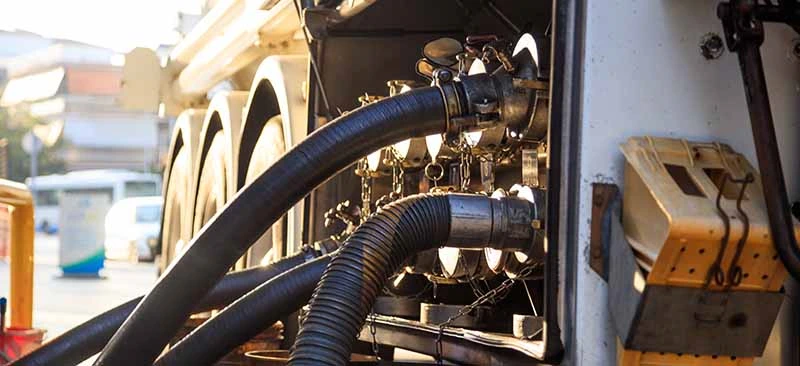
You must prioritize safety and compliance when working in oilfield environments. Petroleum transfer hoses play a vital role in meeting strict safety standards. These hoses must handle high-pressure fuel delivery, resist harsh chemicals, and prevent leaks during oil and gas transfer.
Alienfrac’s hoses meet global certifications, including API, DNV, and ABS, which ensures you comply with industry regulations.
Regular inspections and proper identification of hoses help you avoid incorrect connections and reduce the risk of spill incidents.
| Standard | Description |
|---|---|
| API 7K | Ensures safety for drilling and well servicing equipment in high-pressure applications. |
| OSHA | Governs workplace safety, including hose use in oilfield operations. |
You can trust Alienfrac petroleum hoses to deliver reliable performance in heavy-duty applications while supporting your compliance efforts.
Operational Efficiency
Operational efficiency depends on the reliability and durability of your oilfield discharge and suction hoses. When you use petroleum transfer hoses designed for heavy-duty applications, you reduce downtime and maintenance costs.
Fewer breakdowns mean you keep your projects on schedule and avoid unnecessary expenses.
- Reliability and longevity support a stronger ROI.
- Compliance with safety standards keeps costs down.
- Reduced downtime leads to safer, more efficient operations.
Alienfrac hoses are engineered for high-pressure transfer and industrial fuel transfer, making them ideal for heavy-duty applications across oilfields. You benefit from hoses that maintain integrity under stress, ensuring smooth and continuous operations.
Emergency Response
Emergencies in oilfields require quick action and dependable equipment. Petroleum hoses are essential for emergency and spill response. You need hoses that can handle hazardous chemicals and control oil spills to protect the environment.
Alienfrac’s Quick Frac Hose Solutions allow for rapid deployment during emergencies, such as well blowouts or equipment failures. Their quick installation helps you minimize risks and environmental impact.
In critical moments, you rely on petroleum hoses to transfer oil or hazardous substances away from affected areas. This capability supports your emergency response plans and helps you manage spill incidents effectively.
Applications and Transportation Uses
Fuel and Oil Transfer
You handle many tasks in oilfields that require reliable industrial oil hose solutions. These include filling and emptying petroleum tanks, operating oilfield service trucks, and managing petroleum vacuum services. You also use hoses for waste pit operations and diesel fuel transfer.
Industrial oil hose products from Alienfrac support the transfer of gasoline, petrol, diesel, and other petroleum fluids at industrial, commercial, and construction sites. You can rely on these hoses for bulk fuel transfer, fuel transport, and oil discharge.
The right hose characteristics make a difference in safety and efficiency. Lightweight design allows you to move hoses easily and reduces fatigue. Exceptional flexibility helps you work in cold temperatures and tight spaces. Chemical resistance protects your equipment from aggressive fuels and solvents.
Anti-static configurations prevent static discharge, which lowers fire and spill risks during fuel transfer.
| Characteristic | Benefit |
|---|---|
| Lightweight design | Easier handling, less operator fatigue |
| Exceptional flexibility | Usable in cold and tight spaces |
| Chemical resistance | Protection from aggressive fuels and solvents |
| Anti-static properties | Reduces fire and spill hazards |
Drilling and Well Service
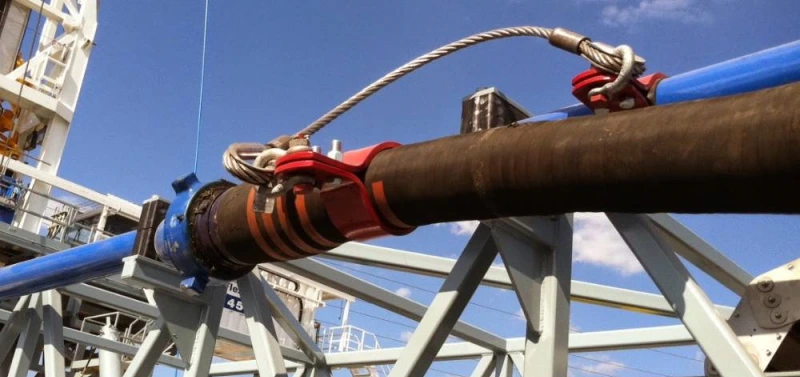
You need specialized hoses for drilling and well service operations. Mud hoses transport drilling mud, lubricate and cool the drill bit, and remove cuttings from the wellbore. Cement hoses pump cement slurry during well casing. Choke and kill hoses control fluid flow during well control.
Coiled tubing hoses deliver fluids and gases for well interventions. Wireline hoses provide a conduit for tools during well logging.
Alienfrac industrial oil hose products offer high-pressure capability, abrasion and corrosion resistance, and fire resistance. These features help you maintain safety and prevent spill incidents during critical drilling and well service tasks.
You can trust these hoses to withstand pressures from 1,500 psi to 15,000 psi and perform reliably in harsh environments.
Transportation and Distribution
You rely on industrial oil hose solutions for the transportation of fuel and oilfield products. These hoses must have durable material composition, high-pressure ratings, flexibility, and a wide temperature range. Quality end fittings ensure secure connections and prevent leaks or spills during bulk fuel transfer and distribution.
Most hose failures result from external abrasion. Alienfrac hoses feature protective layers to enhance reliability and reduce the risk of spills. Meeting API standards and regular inspections help you maintain safe and efficient transportation operations.
Selecting the right hose for each application prevents leaks and system failures, supporting your fuel transfer solutions across the oilfield.
Tip: Always inspect hoses before use to minimize the risk of spills and ensure safe fuel transport.
Selecting the Right Petroleum Hose
Compatibility and Specifications
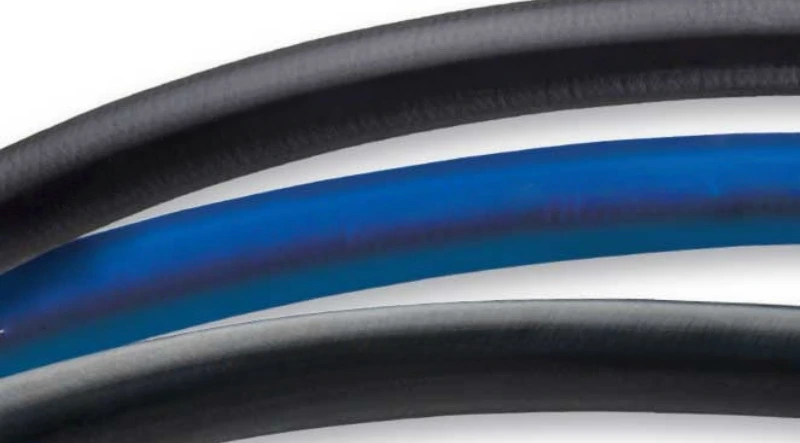
You need to match your industrial fuel hose to the fluids and conditions in your oilfield. Compatibility ensures safe transfer and prevents chemical reactions or leaks. Review the fluid type and select the hose material that fits your operation. The table below helps you identify the right material for each fluid:
| Fluid Type | Compatible Hose Material |
|---|---|
| Petroleum-based fluids | Nitrile (NBR) inner tubes |
| Water-glycol fluids | EPDM or specialized compounds |
| Synthetic fluids | Specific compatibility testing |
| Biodegradable fluids | May interact differently |
You should also consider hose specifications. XLPE or UHMW chemical hoses work well for most petroleum-based chemicals. Tank truck drop hoses with corrugated covers improve flexibility during loading. Typical working pressures range from 150 to 250 PSI for effective transfer.
High-quality industrial hoses prevent failures and keep your operation safe. Using the correct components ensures reliability in harsh oilfield environments.
Tip: Always check compatibility and specifications before installing a new industrial fuel hose.
Durability and Service Life
Durability matters when you operate in demanding oilfield environments. You want hoses that last and perform under stress. Regular maintenance extends the service life of your industrial fuel hose. The table below shows strategies that help you maximize hose longevity:
| Strategy | Description |
|---|---|
| Precision Installation | Ensures proper hose length and bend radius to prevent premature wear. |
| Thermal Management | Prevents overheating, which can cause rubber hardening and cracking, significantly extending hose life. |
| Vibration Isolation | Reduces wear from impacts by cushioning hoses, increasing their lifespan in vibration-prone areas. |
| Contamination Prevention | Protects hoses from internal damage caused by contaminants, ensuring better performance and longevity. |
| Predictive Maintenance | Involves regular inspections and monitoring to catch issues early, reducing emergency failures. |
You should install hoses with care, manage temperature, and isolate vibration. Prevent contamination and schedule regular inspections. These steps help you avoid emergency failures and keep your hoses working longer.
Meeting Safety Standards
You must meet safety standards to protect your team and the environment. Choose industrial fuel hose products that comply with API, DNV, and ABS certifications. These standards guarantee performance in oilfield operations and vapor recovery systems.
Alienfrac hoses meet international safety requirements and support your compliance efforts.
Note: Consult Alienfrac for tailored solutions. Their experts help you select the right hose for your application and ensure you meet all safety and performance standards.
You improve safety, efficiency, and reliability when you select the right petroleum hose. Make informed choices and trust Alienfrac for high-quality industrial hoses that deliver results.
Conclusion
You play a critical role in oilfield operations when you select petroleum hoses that meet rigorous standards. These hoses support safe transportation and efficient fuel transfer. You must understand key characteristics and choose hoses that align with industry standards.
You protect your team and equipment by following standards for durability, flexibility, and chemical resistance. You improve operational efficiency when you use hoses that meet standards for performance and safety. You reduce risks by selecting hoses that comply with standards for emergency response.
You ensure reliability by trusting Alienfrac’s petroleum hoses, which meet global standards.
Choose Alienfrac for certified petroleum hoses that help you meet all standards and achieve safe, efficient oilfield operations.
FAQ
What makes a petroleum hose suitable for oilfield use?
You need a petroleum hose that withstands high pressure, extreme temperatures, and harsh chemicals. Petroleum hoses from Alienfrac use reinforced rubber and steel wire for durability. These hoses ensure safety and reliable petroleum transfer in demanding oilfield environments.
How do petroleum hoses help improve safety in oilfield operations?
You rely on petroleum hoses to prevent leaks and spills. These hoses resist abrasion and chemical reactions. Proper use of petroleum hoses reduces safety concerns and supports compliance with petroleum industry standards. Regular inspections and maintenance further enhance safety.
What are the main safety features of Alienfrac petroleum hoses?
You benefit from petroleum hoses with anti-static properties, abrasion-resistant covers, and chemical-resistant linings. Alienfrac petroleum hoses meet global safety certifications. These features protect you from petroleum leaks and ensure safety during petroleum transfer and handling.
How often should you inspect petroleum hoses for safety?
You should inspect petroleum hoses before each use. Look for signs of wear, cracks, or leaks. Regular checks help you maintain safety and extend the life of your petroleum hose. Always follow manufacturer guidelines for petroleum hose inspection and replacement.
Can petroleum hoses handle different types of petroleum products?
You can use petroleum hoses for gasoline, diesel, crude oil, and other petroleum products. Alienfrac petroleum hoses offer compatibility with a wide range of petroleum fluids. Always verify the petroleum hose material matches the specific petroleum product for maximum safety.
