
Comparing Built-in and Crimped Frac Hoses
Explore key differences in efficiency and reliability of frac hoses.
| Features | Built-in Frac Hose | Crimped Frac Hose |
|---|---|---|
| Design Integration | Integrated directly into equipment | Attached via crimped fittings |
| Flow Rate Consistency | High, stable flow rates | Moderate to high, slight variations |
| Pressure Handling | Excellent burst resistance | High, depends on crimp quality |
| Setup Time | Fast, minimal assembly needed | Quick, flexible assembly |
| Flexibility | Permanent, less adaptable | Highly flexible, modular |
| Maintenance Needs | Minimal, low inspection frequency | Frequent inspections required |
| Abrasion Resistance | Superior with advanced covers | Strong, durable outer cover |
| Chemical Resistance | Excellent with HNBR/PTFE lining | Good, synthetic rubber lining |
| Initial Cost | Higher upfront investment | Lower initial cost |
| Long-term Cost | Lower due to durability | Higher from maintenance |
When you compare built-in frac hose vs crimped frac hose, you see clear differences in efficiency for high-pressure fracturing. Built-in frac hoses integrate directly into your fluid transfer system, supporting efficient fluid transfer and pumping efficiency.
Crimped frac hoses use a secure connection to handle the demands of fracking environments. Both types play a key role in hydraulic fracturing by moving fluids under pressure. Choosing the right hose helps you maximize uptime, reduce downtime, and improve productivity in fracking by minimizing downtime.
Key Takeaways
- Built-in frac hoses integrate directly into equipment, reducing leaks and downtime for efficient operations.
- Crimped frac hoses offer flexibility, allowing for quick assembly and adjustments in the field.
- Choose built-in frac hoses for consistent performance and lower long-term costs despite higher initial investment.
- Regular inspections of crimped hoses are essential to maintain safety and prevent leaks.
- Evaluate your operational needs and budget to select the best hose type for your fracking operations.
Built-in Frac Hose and Crimped Frac Hose Overview
Built-in Frac Hose Features
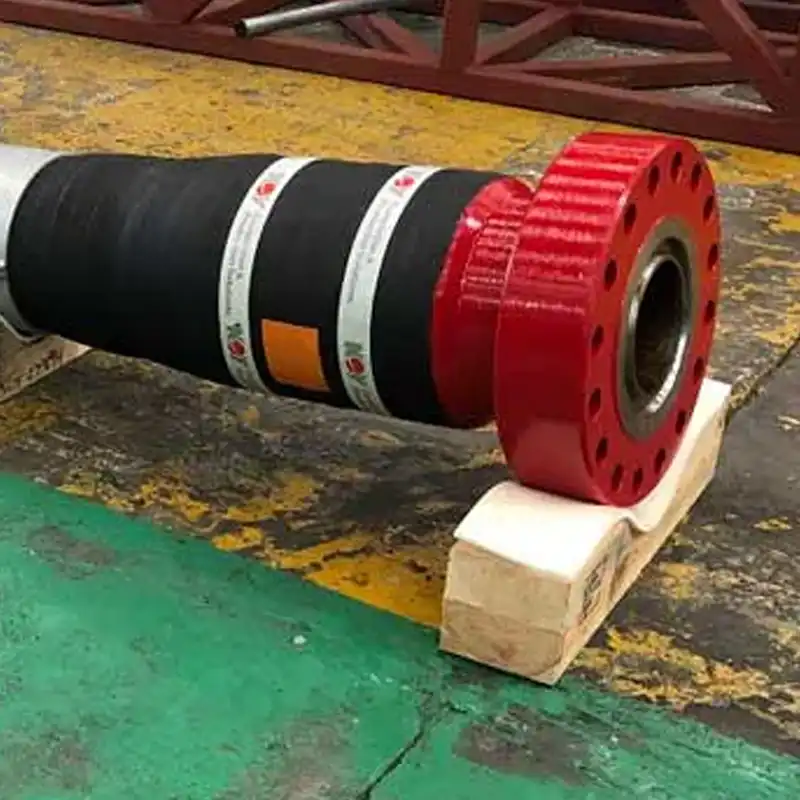
You will find that a built-in frac hose uses an integrated design that connects directly to your fracturing equipment. This approach means you do not need extra fittings or adapters. The integrated design helps you reduce the risk of leaks and improve operational safety.
You benefit from a hose that is part of the machinery, which streamlines your setup and minimizes downtime. The built-in frac hose stands out for its ability to handle high-pressure fluid transfer with ease. Its integrated design also resists abrasion and harsh chemicals, giving you a longer service life.
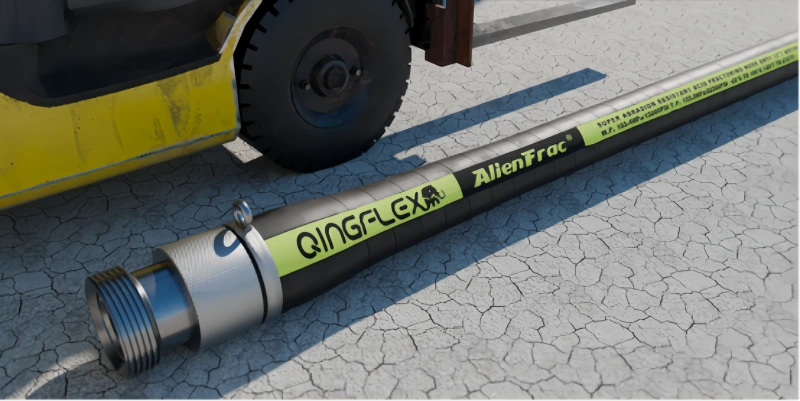
Many operators choose built-in frac hose when they want a bonded hose that delivers consistent performance and reliability.
Crimped Frac Hose Features
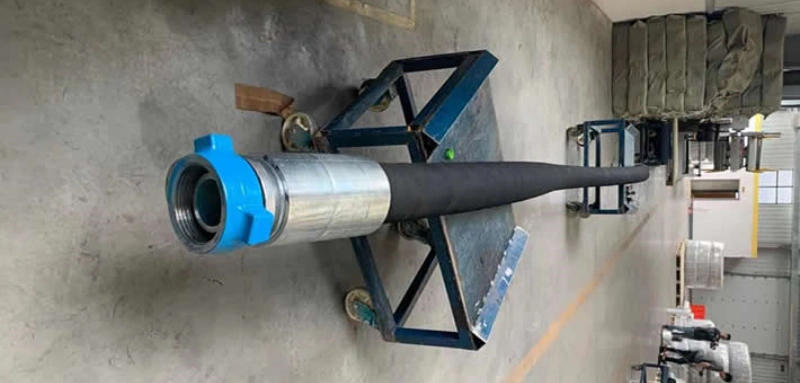
A crimped frac hose uses a different integrated design. You attach the hose to connectors using crimped connections, which secure the hose ends tightly. This method gives you flexibility in the field because you can assemble or replace crimped hoses as needed.
The crimped frac hose offers strong resistance to pressure and abrasion, making it suitable for demanding environments. You will notice that the integrated design of crimped frac hose allows for quick installation and compatibility with various connectors.
Many operators rely on crimped frac hose for its versatility and the ability to use bonded hoses with different setups.
Applications in Fracturing
Both built-in frac hose and crimped frac hose play vital roles in hydraulic fracturing. You use a built-in frac hose when you want an integrated design that saves time and reduces errors. The hose becomes part of your system, which increases efficiency.
Crimped frac hose works well when you need a versatile solution that adapts to changing field conditions. The integrated design of crimped frac hose supports fast assembly and secure connections. You can see the main differences in the table below:
| Feature | Built-in Frac Hose | Crimped Frac Hose |
|---|---|---|
| Design | Integrated design enhances efficiency and reduces leaks | Versatile but requires careful assembly for security |
| Operational Efficiency | Streamlined approach saves time and reduces errors | Efficiency may be impacted by the crimping process |
| Cost Consideration | Higher initial cost but often more cost-effective long-term | Lower initial cost, but may incur higher long-term costs |
When you select between built-in frac hose and crimped frac hose, consider how each integrated design fits your operational needs. Both types of frac hoses and bonded hoses help you maintain safe and efficient fracturing operations.
Built in Frac Hose vs Crimped Frac Hose: Performance Comparison
Flow Rate and Pressure Handling
You need to consider flow rate and pressure handling when comparing built-in frac hose vs crimped frac hose. Built-in frac hose delivers consistent flow rates because the hose integrates directly into your fracturing equipment. You get fewer interruptions and more stable pressure during hydraulic fracturing.
The built-in frac hose withstands high-pressure environments, making it ideal for continuous operations. Crimped frac hose also handles high pressure, but you rely on crimped connections to secure the hose ends. You can use crimped frac hose in situations where you need flexibility in hose length or configuration.
Crimped hoses perform well under pressure, but you may notice slight variations in flow rate if you assemble multiple hoses. Both hose types support efficient fluid transfer, but the built-in frac hose gives you more uniform performance.
Tip: If you want maximum flow consistency, choose a built-in frac hose for your fracturing operations.
| Hose Type | Flow Rate Consistency | Pressure Handling | Best Use Case |
|---|---|---|---|
| Built-in frac hose | High | Excellent | Continuous, high-pressure jobs |
| Crimped frac hose | Moderate to High | Excellent | Flexible, modular setups |
Flexibility and Setup Time
You must evaluate flexibility and setup time when selecting between built-in frac hose vs crimped frac hose. Built-in frac hose offers a streamlined setup because the hose integrates into your machinery. You save time during installation and reduce the risk of errors.
Built-in frac hose works best when you need a permanent solution that minimizes downtime. Crimped frac hose gives you more flexibility in the field. You can assemble crimped hoses quickly and adapt to changing conditions. Crimped frac hose allows you to replace sections or adjust lengths as needed.
You benefit from fast setup, especially when you use crimped hoses with compatible connectors. If you value adaptability, crimped frac hose is a strong choice.
- Built-in frac hose: Fast setup, minimal adjustments needed.
- Crimped frac hose: Flexible assembly, easy to modify or replace.
Note: You can reduce setup time with a built-in frac hose, but a crimped frac hose gives you more options for field adjustments.
Reliability in Fracturing
Reliability matters in fracturing operations. Built-in frac hose provides dependable performance because the hose integrates into your system. You experience fewer leaks and less downtime. Built-in frac hose resists abrasion and harsh chemicals, giving you a longer service life.
Crimped frac hose also offers reliable operation, especially when you use quality crimped connections. You can trust crimped frac hose in demanding environments, but you must check crimped hoses regularly for wear.
Both hose types meet industry standards for reliability, but the built-in frac hose stands out for its consistent operation.
- Built-in frac hose: High reliability, low maintenance.
- Crimped frac hose: Reliable, but requires regular inspection.
If you want a hose that delivers consistent results, a built-in frac hose is your best option for hydraulic fracturing.
Safety and Compliance for High-Pressure Frac Hoses
Leak Prevention and Burst Resistance
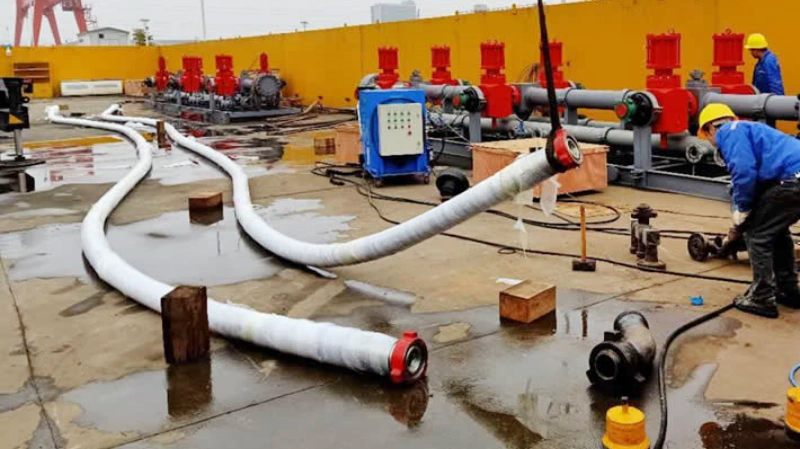
You need to prioritize leak prevention and burst resistance when selecting high-pressure frac hoses for hydraulic fracturing. Built-in frac hoses offer consistent sealing because the hose integrates directly into your equipment. This integration helps you prevent leaks and reduce the risks of accidents caused by fluid escape.
You benefit from higher burst pressures, which means the hose can withstand sudden spikes in pressure without failing. Built-in hoses resist abrasive fracking fluids, providing extra protection against wear.
Crimped frac hoses rely on crimped connections to secure the hose ends. These connections give you flexibility and allow for quick assembly. You must check crimped hoses regularly to ensure the connections remain tight and secure.
Crimped hoses also deliver strong burst resistance, but you may notice that the performance depends on the quality of the crimping process. Both hose types help you prevent leaks and maintain safety in fracturing operations, but built-in hoses provide more consistent sealing and higher burst pressures.
Tip: Always inspect your hoses before each job to reduce risks and avoid accidents.
| Hose Type | Leak Prevention | Burst Resistance | Resistance to Abrasive Fluids |
|---|---|---|---|
| Built-in frac hose | Excellent | High | Superior |
| Crimped frac hose | Good | High | Strong |
Industry Standards and Certifications
You must follow safety standards and industry certifications when using high-pressure frac hoses. Built-in frac hoses and crimped frac hoses both meet the strict pressure ratings required for hydraulic fracturing. You should look for hoses that comply with API and ISO certifications.
These certifications ensure your equipment meets industry requirements and reduces risks during operation.
Built-in hoses often exceed standard requirements because of their integrated design. Crimped hoses also meet industry standards, but you must verify the quality of crimped connections and materials.
Always choose hoses that display certification labels and pressure ratings. This practice helps you maintain compliance and protect your team from accidents.
Note: Certified hoses help you meet regulatory requirements and improve safety in fracturing operations.
Cost and Maintenance Factors
Initial Investment
You face different upfront costs when you choose between built-in frac hose and crimped frac hose. Built-in frac hose usually requires a higher initial investment. You pay more because the hose integrates directly into your hydraulic fracturing equipment.
This integration streamlines your setup and reduces the need for extra fittings. Crimped frac hose offers a lower entry cost. You assemble crimped frac hose using crimped connections, which lets you buy hoses and connectors separately. You spend less at first, but you may need more frequent replacements.
Tip: Consider your budget and long-term goals before making your choice.
Maintenance and Replacement
You must think about ongoing maintenance and replacement needs. Built-in frac hose demands minimal maintenance. You benefit from a hose that resists abrasion and harsh chemicals, which means fewer repairs. You spend less time inspecting the built-in frac hose because it integrates into your system.
Crimped frac hose needs regular checks. You inspect crimped connections often to prevent leaks. You replace crimped frac hose more frequently, especially in tough environments. You handle repairs quickly, but you spend more time and money on upkeep.
- Built-in frac hose: Minimal maintenance, fewer repairs.
- Crimped frac hose: Frequent inspections, more repairs.
Total Ownership Cost
You must compare total ownership costs over five years. Built-in frac hose costs more at first, but you save money in the long run. You spend less on maintenance and replacements.
Crimped frac hose costs less initially, but you pay more over time due to higher maintenance and replacement needs. You see the difference in the table below:
| Hose Type | Initial Cost | Long-term Cost | Maintenance Costs | Reliability |
|---|---|---|---|---|
| Built-in frac hose | Higher | Lower | Minimal | High |
| Crimped frac hose | Lower | Higher | Higher | Moderate |
Note: Built-in frac hose gives you higher reliability and lower total ownership cost. Crimped frac hose offers flexibility but increases your maintenance expenses.
You improve efficiency in fracturing when you choose the right hose for your operation. Built-in frac hose delivers long-term savings and reliability. Crimped frac hose provides adaptability but requires more attention to maintenance and repairs.
You make the best decision by weighing initial investment against total ownership cost.
Durability and Lifespan
Abrasion and Chemical Resistance
You need to consider abrasion and chemical resistance when selecting a frac hose for your operation. Built-in frac hoses use super-abrasion-resistant outer layers. Manufacturers often choose advanced rubber covers or UHMWPE sheaths.
These materials help the hose endure constant movement, such as coiling and dragging across rough surfaces. You get a hose that lasts longer, even in harsh field conditions.
For chemical resistance, built-in frac hoses feature inner linings made from materials like HNBR or PTFE. These linings resist swelling, delamination, and degradation. You can use built-in frac hoses with aggressive fluids, including hydrochloric acid and surfactants, without worrying about rapid wear.
This design ensures durability during acid fracturing operations.
Crimped frac hoses also offer strong abrasion resistance. The outer cover protects the hose from cuts and scrapes. You can use crimped hoses in environments where hoses face frequent handling.
Chemical resistance depends on the lining material. Many crimped hoses use synthetic rubber linings that handle most fracturing fluids. You should check the specifications to match the hose with your fluid type.
Tip: Always match the hose material to your specific fracturing fluid for maximum service life.
| Hose Type | Abrasion Resistance | Chemical Resistance |
|---|---|---|
| Built-in frac hose | Superior (advanced covers) | Excellent (HNBR/PTFE) |
| Crimped frac hose | Strong | Good (synthetic rubber) |
Wear and Inspection
You must inspect your hoses regularly to ensure safe and efficient operations. Built-in frac hoses show less wear over time because of their robust construction. You spend less time on repairs and replacements. The integrated design helps you spot issues early, reducing the risk of unexpected failures.
Crimped frac hoses require more frequent inspections. You need to check the crimped connections for signs of loosening or leaks. You should also look for surface wear and chemical damage. Quick inspections help you catch problems before they lead to downtime.
- Built-in frac hose: Lower wear rate, less frequent inspection needed.
- Crimped frac hose: Higher wear rate, regular inspection required.
Note: Consistent inspection routines help you extend the lifespan of both hose types and maintain safety in your fracturing operations.
Comparison Summary and Best-Use Scenarios
Key Differences Table
When you compare built-in frac hose vs crimped frac hose, you see clear distinctions in design, efficiency, and cost. The table below highlights the main differences you should consider before making a decision:
| Aspect | Built-in Frac Hose | Crimped Frac Hose |
|---|---|---|
| Assembly Process | Integrated design, hose and fittings assembled as a unit | Hose attached to fittings using a crimping machine |
| Material Composition | Typically, synthetic rubber or thermoplastic polymers | Versatility in material selection, including rubber and plastics |
| Operational Efficiency | Streamlined operations, minimal assembly required | May require additional time for assembly and maintenance |
| Cost Considerations | Higher initial cost, long-term cost savings due to reliability | Lower initial cost, potential for higher operational costs over time |
This table gives you a quick reference for built-in frac hose vs crimped frac hose. You can see how each option fits different operational needs in hydraulic fracturing.
Conclusion
You should choose a built-in frac hose for operations that demand maximum efficiency, safety, and long-term cost savings in fracturing. Crimped frac hose works well if you need flexibility and quick field adjustments.
Review your operational needs, maintenance capacity, and budget before making a decision. For the best results, consult with a trusted supplier to match the right hose to your specific application.
FAQ
What is the main difference between built-in frac hose and crimped frac hose?
You see the main difference in their construction. Built-in frac hose integrates directly with your equipment. Crimped frac hose uses crimped fittings for assembly. This affects setup, reliability, and long-term cost.
Which frac hose offers better long-term value?
You get better long-term value from a built-in frac hose. Its integrated design reduces maintenance and replacement costs. Crimped frac hose may cost less at first, but you spend more on upkeep over time.
When should you choose crimped frac hose over built-in frac hose?
You should choose crimped frac hose when you need flexibility in the field. Crimped hoses let you adjust lengths and replace sections quickly. This works well for changing job site conditions.
How do both hoses handle high-pressure fracturing fluids?
Both hoses handle high-pressure fluids well. Built-in frac hose gives you more consistent sealing and burst resistance. Crimped frac hose performs reliably, but you must check connections often to prevent leaks.
Which frac hose is easier to install and maintain?
You find built-in frac hose easier to install for permanent setups. It requires less maintenance. Crimped frac hose installs quickly for temporary setups, but you need to inspect and maintain it more often.