
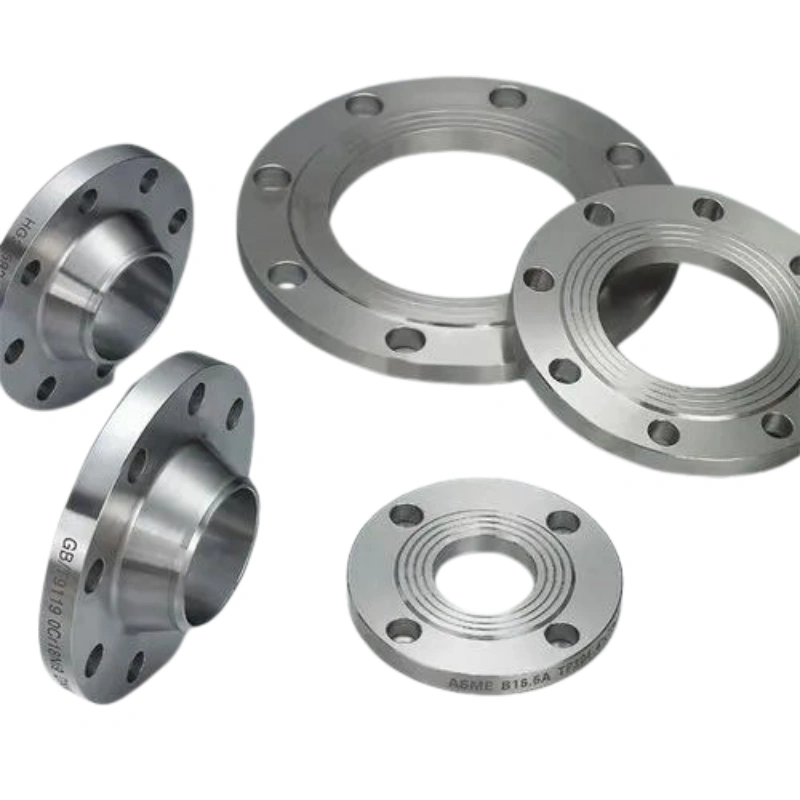
You often see API flanges as key connectors in oil and gas systems. These components help you join pipes and equipment safely, even when high pressure or heat is involved. You find API flanges in many places, such as:
- Upstream operations like wellheads, flowlines, and manifolds
- Midstream facilities, including transmission pipelines and compressor skids
- Downstream applications such as pressure vessels, heat exchangers, and refinery piping
Understanding the api flange standard helps you make safe and reliable choices. If you want trusted quality, Alienfrac delivers API Flanges that meet the highest industry standards.
Key Takeaways
- API flanges are essential connectors in oil and gas systems, ensuring safe and leak-proof seals under high pressure and temperature.
- Always check for API markings and certifications on flanges to ensure quality and compliance with industry standards.
- Selecting the right API flange involves considering pressure ratings, pipe size, and service conditions to ensure safety and reliability.
- Using API-certified flanges reduces the risk of leaks and failures, providing peace of mind for your operations.
- Consult trusted manufacturers like Alienfrac for high-quality API flanges that meet strict safety and performance standards.
What Is an API Flange?
Basic Definition
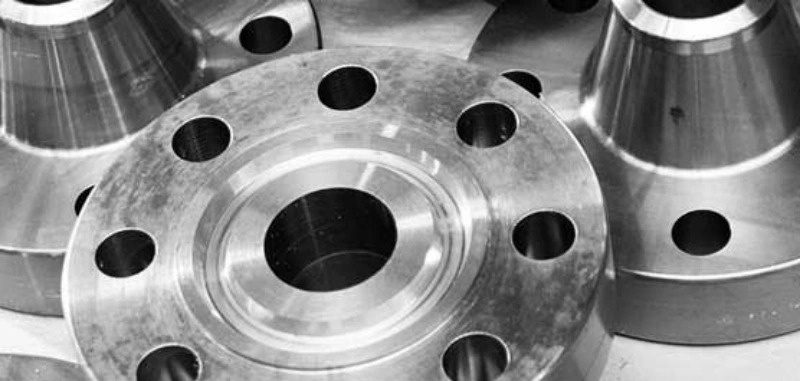
You encounter API flanges as specialized connectors in oil and gas systems. These flanges follow standards set by the American Petroleum Institute (API). You use them to join pipes, valves, pumps, and other equipment. API flanges create a secure, leak-proof seal that handles high pressure and temperature.
You find them in both surface and subsea applications. Manufacturers like Alienfrac design these flanges with precise dimensions and materials to meet strict industry requirements. You can trust API flanges to maintain system integrity, even in harsh environments.
Tip: When you see “API” on a flange, you know it meets rigorous safety and quality standards. This helps you choose the right component for critical operations.
Main Functions in Oil and Gas
API flanges play several key roles in oil and gas systems. You rely on them for:
- Connecting wellhead equipment, such as valves and blowout preventers. These flanges ensure tight seals and structural strength under extreme pressure.
- Securing pipeline connections. You use API flanges to transport oil and gas safely from extraction sites to processing facilities.
- Supporting subsea installations. In underwater environments, these flanges maintain secure connections despite immense pressure.
- Integrating manifold systems. You find API flanges in systems that distribute oil and gas flow from multiple wells to processing units.
You depend on API flanges for reliable performance in every stage of oil and gas operations. Their robust design and standardized features help you maintain safety, reduce leaks, and simplify maintenance.
When you select API flanges from trusted manufacturers like Alienfrac, you ensure your system operates efficiently and safely.
API Flange Standard Overview
Role of the American Petroleum Institute
You see the American Petroleum Institute (API) as a leader in setting industry standards. API began its work in 1919 in Washington, D.C. Since then, it has become the largest national trade association for the oil and gas industry in the United States.
API creates standards that guide how you design, manufacture, and use equipment like flanges. Today, you find nearly 700 standards and recommended practices from API, covering everything from drilling to pipeline connections.
When you use an api flange standard, you follow rules that ensure safety and performance. API flanges have unique features, such as high strength and resistance to corrosion.
These features help you maintain the integrity of your oil and gas systems, even under extreme pressure. You rely on these standards to keep your operations safe and efficient.
Note: API standards do not just apply in the United States. You see a growing number of international projects adopting these standards. In fact, there has been a 20% increase in the global adoption of API standards outside North America in the past year.
This trend shows that regulators and companies worldwide trust the api flange standard for critical operations.
Why Standards Matter for Safety and Quality?
You depend on the api flange standard to protect your team, your equipment, and the environment. These standards set strict requirements for design, materials, and performance. For example, API 6A and API 16A specify how you must test and inspect flanges.
Manufacturers like Alienfrac follow these protocols, which include material testing, dimensional checks, and pressure tests. These steps ensure that every flange meets the highest safety and quality benchmarks.
When you choose API-certified flanges, you reduce the risk of leaks, failures, and accidents. You know that each flange has passed rigorous inspections and can handle the demands of oil and gas operations. Alienfrac demonstrates a strong commitment to the api flange standard.
The company uses advanced technology and strict quality control to deliver flanges that meet or exceed API requirements. You benefit from reliable products that support safe and efficient operations.
- You get peace of mind knowing your flanges are built to last.
- You meet regulatory requirements for safety and performance.
- You support global best practices by choosing products that follow the api flange standard.
Tip: Always check for API markings and certifications when selecting flanges. This simple step helps you ensure quality and compliance in every project.
Types of API Flanges
Choosing the right API flange can feel overwhelming when you first enter the oil and gas industry. Each type serves a unique purpose and meets specific requirements under the api flange standard. You need to understand these differences to ensure safe and efficient operations.
Let’s break down the main types you will encounter.
API 6A Flanges
You use API 6A flanges in wellhead and Christmas tree equipment. These flanges handle high-pressure and high-temperature environments. You find them in upstream oil and gas operations, where reliability is critical. API 6A flanges come in two main styles: 6B and 6BX.
The 6B style supports pressure ratings up to 5,000 psi, while the 6BX style reaches up to 20,000 psi. You can see the comparison below:
| Type of Flange | Pressure Rating |
|---|---|
| API 6B | 2000 psi |
| API 6B | 3000 psi |
| API 6B | 5000 psi |
| API 6BX | 2000 psi |
| API 6BX | 3000 psi |
| API 6BX | 5000 psi |
| API 6BX | 10000 psi |
| API 6BX | 15000 psi |
| API 6BX | 20000 psi |
Alienfrac manufactures API 6A flanges using carbon steel, stainless steel, and advanced alloys. You benefit from precise machining and strict quality control, ensuring every flange meets the api flange standard.
API 605 Flanges
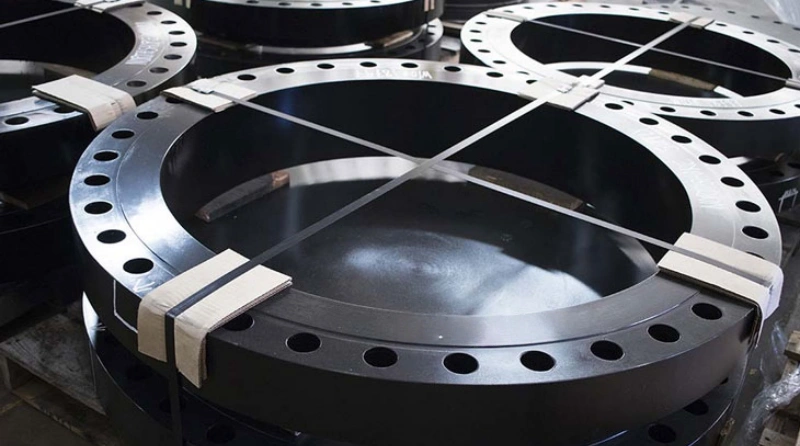
You find API 605 flanges in large-diameter pipeline applications. These flanges are common in oil and gas transmission lines, petrochemical plants, and power generation facilities. You use blind flanges from this category to seal off pipes or valves, which helps during inspection and maintenance.
API 605 flanges are designed for moderate to high-pressure service and support the safe transport of fluids over long distances.
- Large diameter for pipelines
- Used in oil, gas, petrochemical, and power industries
- Blind flanges help with maintenance and inspection
Alienfrac offers API 605 flanges in a range of sizes and materials, including robust wall thickness and resilient seal rings for durability.
API 16A Flanges
You rely on API 16A flanges for blowout preventer (BOP) equipment. These flanges must withstand sudden pressure surges during drilling operations. You see pressure ratings from 2,000 psi up to 15,000 psi. The design focuses on safety, with hydrostatic and gas testing required for each unit.
| Feature | API 6A Flanges | API 16A Flanges |
|---|---|---|
| Application | Wellhead and Christmas tree equipment | Blowout preventer (BOP) equipment |
| Pressure Rating | 2000 PSI to 20,000 PSI | 2000 PSI to 15,000 PSI |
| Size Range | 1-13/16 inches to 30 inches | 2-1/16 inches to 30 inches |
| Testing Requirements | Hydrostatic, gas, and temperature testing | Hydrostatic and gas testing |
Alienfrac’s API 16A flanges use high-strength materials and advanced manufacturing to ensure you meet the strictest safety standards.
API 650 Flange
You use API 650 flanges in storage tank construction. These flanges connect pipes to tanks that store oil, gas, or chemicals. The design supports moderate pressure and large diameters. You often see these flanges in refineries and storage terminals.
Alienfrac produces API 650 flanges with corrosion-resistant materials, ensuring long service life in harsh environments.
API 6b Flange
API 6B flanges fall under the API 6A standard. You use them for wellhead and Christmas tree equipment. These flanges support pressure ratings up to 5,000 psi and can be used as threaded flanges. You choose API 6B flanges for reliability in moderate-pressure applications.
Alienfrac’s API 6B flanges feature precise machining and robust construction for dependable performance.
API 6bx Flange
API 6BX flanges handle higher pressures than 6B flanges. You use them in critical wellhead and high-pressure pipeline connections. These flanges support ratings up to 20,000 psi but are not suitable for threaded applications.
You select API 6BX flanges when you need maximum safety and strength. Alienfrac manufactures these flanges with advanced alloys and strict quality checks.
| Flange Type | Pressure Rating |
|---|---|
| API 6B | 2000 psi |
| API 6B | 3000 psi |
| API 6B | 5000 psi |
| API 6BX | 2000 psi |
| API 6BX | 3000 psi |
| API 6BX | 5000 psi |
| API 6BX | 10000 psi |
| API 6BX | 15000 psi |
| API 6BX | 20000 psi |
API 150 Flange
You use API 150 flanges for general service in low-pressure applications. These flanges are common in pumping chemicals, oils, and other fluids where high pressure is not a concern. You find them in utility lines and auxiliary systems. Alienfrac provides API 150 flanges with reliable sealing and easy installation.
API 17d Flange
API 17D flanges are designed for subsea systems. You use them in underwater oil and gas production, where extreme pressure and corrosion resistance are essential. These flanges ensure secure connections in challenging offshore environments.
Alienfrac’s API 17D flanges use super duplex stainless steel and Inconel alloys for maximum durability.
Comparison Table of Main API Flange Types
| Flange Type | Pressure Rating | Main Applications |
|---|---|---|
| API 6A (6B) | 2,000 – 5,000 psi | Wellhead, Christmas tree, moderate-pressure pipelines |
| API 6A (6BX) | 2,000 – 20,000 psi | High-pressure wellhead, critical pipeline connections |
| API 605 | Moderate to high | Large-diameter pipelines, petrochemical, and power generation |
| API 16A | 2,000 – 15,000 psi | Blowout preventer (BOP) equipment |
| API 650 | Moderate | Storage tanks, refineries, terminals |
| API 150 | 125/150# | Low-pressure, general service |
| API 17D | High | Subsea systems, offshore production |
Tip: When you select an API flange, always check the pressure rating, material, and application. Alienfrac offers a full range of API flanges, manufactured to the highest standards, so you can trust your connections in any environment.
You see that the api flange standard covers a wide range of applications, from wellheads to subsea systems. Alienfrac’s expertise and advanced manufacturing ensure you get the right flange for every job.
How to Identify and Select API Flanges?
Markings and Labels
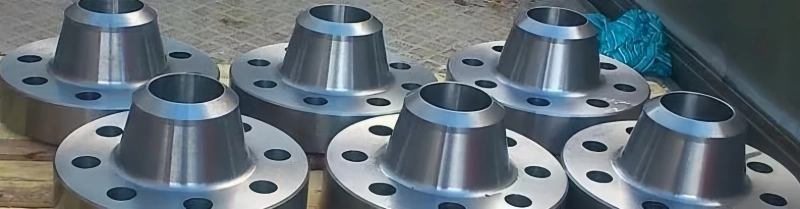
You need to check markings and labels carefully when you receive an API flange. Genuine flanges always display clear, permanent markings that match the manufacturer’s documentation.
These markings include the manufacturer’s name or logo, material grade, pressure rating, size, and the relevant specification number. If you see any of the following signs, you should question the authenticity of the flange:
- Used or worn appearance
- Unusual or inadequate packaging, such as foreign newspapers
- Scratches, pitting, or corrosion on the surface
- Missing or inconsistent markings and logos
- Questionable or meaningless numbers
- Typed or hand-made labels
- Painted stainless steel or excessive wire brushing
- Ground-off casting marks or logo marks
- Signs of weld repairs or deficient welds
- Threads that show wear or dressing
- Old or mismatched nameplates
- Missing specification number, size, or pressure class rating
- Overlapping stamps or different colors on the same part
- Parts identified only by country, with no manufacturer details
- Excess certification logos that do not match industry norms
Tip: Always compare the flange markings with the manufacturer’s certificate and the purchase order. This step helps you avoid counterfeit products and ensures compliance with the api flange standard.
Selection Tips for Beginners
Selecting the right API flange for your project requires attention to several key factors. You should match the flange to your system’s pressure, temperature, and service conditions. The table below outlines important criteria to consider:
| Criteria | Considerations |
|---|---|
| Pressure Class | Choose a flange rated for your system’s maximum pressure. |
| Pipe Size & Geometry | Ensure the flange fits your pipe size and layout, especially for large pipes. |
| Temperature & Service | Select materials that handle your operating temperature and media. |
| Maintenance & Access | Pick flanges that allow easy disassembly if you need frequent maintenance. |
| Installation & Fabrication | Use flanges that align and weld easily for faster installation. |
You should always consult your project specifications and work with trusted suppliers like Alienfrac. This approach helps you select flanges that meet both safety and performance needs. Remember, following the api flange standard protects your equipment and your team.
Conclusion
You see that API flange standards set the foundation for safety and reliability in oil and gas. These guidelines help you select flanges that withstand high pressures and temperatures, reducing the risk of failures. When you consult API standards, you gain:
- Safety for your piping systems
- Reliability and long-term performance
- Compliance with international requirements
Alienfrac delivers quality API flanges you can trust. For further learning, review these resources:
| Key Points | Description |
|---|---|
| Standard for Pipe Flanges and Flanged Fittings | Specifies dimensions, materials, and pressure ratings essential for oil & gas applications. |
| Importance | Crucial for ensuring safety, compatibility, and efficiency in piping projects in the industry. |
You can also explore industry training like the API BFJI program to build your expertise. Keep learning and choose trusted partners for safe operations.
FAQ
What does “API” mean on a flange?
“API” stands for the American Petroleum Institute. You see this marking on flanges that meet strict industry standards for safety, quality, and performance in oil and gas systems.
How do you know if a flange is API certified?
You should check for clear markings on the flange. Look for the manufacturer’s name, material grade, pressure rating, and the API specification number. Always compare these with the product certificate.
Can you use API flanges in other industries?
Yes, you can use API flanges in chemical, power, and marine industries. These flanges offer high strength and corrosion resistance, making them suitable for any system that needs secure, leak-proof connections.
Why should you choose Alienfrac for API flanges?
You get reliable quality, advanced materials, and strict compliance with API standards. Alienfrac uses modern manufacturing and thorough testing to ensure every flange meets your safety and performance needs.
