

You work in an industry where choke and kill hoses play a critical role in controlling well pressure during drilling. These hoses help you manage high-pressure fluids and protect your team from dangerous blowouts.
You must understand their construction and safety features because nearly 60% of drilling incidents link back to pressure management failures, with over 60% of safety events caused by equipment failure or operator error.
Alienfrac stands out as a trusted provider, delivering high-quality hoses that meet strict industry standards and keep your operations secure.
Key Takeaways
- Choke and kill hoses are essential for managing well pressure and preventing blowouts during drilling operations.
- Choose the right type of choke and kill hose based on your drilling environment to ensure safety and efficiency.
- Regularly inspect and maintain your hoses to prevent leaks and ensure reliable performance in high-pressure situations.
- Select hoses that meet industry standards, like API 16C, to enhance safety and compliance in your drilling projects.
- Invest in high-quality hoses from trusted manufacturers like Alienfrac to protect your team and the environment.

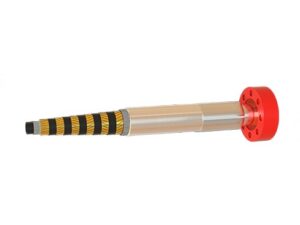


Choke and Kill Hoses Overview

What Is a Choke and Kill Hose?
You encounter choke and kill hoses every day in oil and gas drilling operations. These hoses form a flexible, high-pressure connection between the choke manifold, blowout preventer (BOP), and other critical equipment.
You use a choke and kill hose to circulate drilling fluids, manage well pressure, and maintain safe operations during well control procedures. The hose must withstand extreme pressures and harsh environments, making it a vital part of your drilling setup.
Alienfrac stands out as a trusted manufacturer of choke and kill hoses. The company has built a strong reputation in the industry by focusing on innovation, quality, and reliability. You can rely on Alienfrac hoses because they meet strict certifications, including API 16C, DNV, ABS, and CCS.
These certifications prove that the hoses meet the highest standards for safety and performance in oil and gas drilling operations.
Main Functions in Drilling
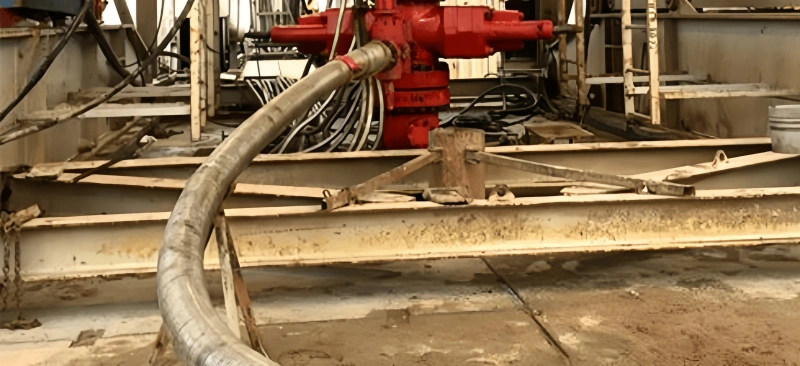
Choke and kill hoses play several essential roles in drilling. You depend on these hoses to keep your team and equipment safe while maintaining control over the well. The table below summarizes the main functions of choke and kill hoses in oil and gas drilling operations:
| Function | Description |
|---|---|
| Well Control | Choke and kill hoses are essential for controlling fluid flow during well control procedures. |
| Safety | They help prevent blowouts and manage well pressure, ensuring the safety of personnel and assets. |
| Environmental Protection | These hoses minimize the risk of pollution by preventing uncontrolled fluid releases into the environment. |
You use choke and kill hoses to direct drilling fluids during well control procedures. These hoses help you maintain pressure balance in the well, which prevents dangerous blowouts. You also protect the environment by using hoses that stop uncontrolled fluid releases.
When you choose a high-quality choke and kill hose, you improve safety and reduce the risk of accidents during drilling.
Types and Applications
You will find several types of choke and kill hoses designed for different drilling needs. Each type offers unique features for specific applications in oil and gas drilling operations. The table below outlines the main types and their primary uses:
| Type | Pressure Rating | Flexibility | Installation Complexity | Primary Use Case |
|---|---|---|---|---|
| Integral Choke & Kill | Very High | Low | High | Deepwater, permanent installations |
| Float Collar Installed | High | Medium | Medium | Cementing, completion operations |
| With Swivel Joints | High | High | Medium | Floating rigs, dynamic positioning |
| Flexible Hoses | High | Very High | Low | Temporary setups, frequent adjustments |
You select the right choke and kill hose based on your drilling environment and operational needs. For deepwater or permanent installations, you might use an integral choke and kill hose with very high pressure ratings.
If you work on floating rigs or need frequent adjustments, you choose flexible hoses for their ease of installation and movement. Each type helps you maintain control and safety during drilling.
Alienfrac offers a complete range of choke and kill hoses to match your requirements. The company’s hoses support both onshore and offshore oil and gas drilling operations. You benefit from hoses that meet API 16C and other international standards, ensuring reliable performance in every application.
Note: Always verify that your choke and kill hose meets the latest industry certifications. Using certified hoses, like those from Alienfrac, helps you pass regulatory audits and maintain insurance coverage.
You play a key role in well control procedures by selecting and maintaining the right choke and kill hoses. These hoses protect your team, your equipment, and the environment. When you choose Alienfrac, you invest in safety, reliability, and industry-leading performance for all your oil and gas drilling operations.
How Choke and Kill Hoses Work?
Choke Function and Pressure Control
You use choke and kill hoses to manage drilling fluid flow and pressure during drilling. The choke function lets you adjust the flow rate by changing the cross-section of the choke valve. This adjustment helps you buffer pressure and reduce the impact force of the fluid as it moves through the system.
You rely on choke and kill hoses to keep drilling operations stable and safe. These hoses give you the ability to control fluid flow rates, which is critical for adjusting pressure levels and preventing a kick.
When you use Alienfrac choke and kill hoses, you benefit from high-pressure ratings and reliable performance, even in emergencies.
- Choke and kill hoses help you manage fluid flow and pressure during drilling.
- You control fluid flow rates to adjust pressure and prevent a kick.
- These hoses help you regulate the flow of formation fluids and maintain well control.
Kill Function and Blowout Prevention
The kill function in choke and kill hoses plays a key role in blowout prevention. You use the kill line to pump heavy drilling mud or fluids into the wellbore. This action suppresses formation pressure and helps you regain control if a kick occurs.
The kill function allows you to shut down fluid flow quickly in case of an influx, reducing the risk of an oil well blowout. Alienfrac choke and kill hoses provide the high-pressure capability you need for these critical well control procedures. You depend on these hoses to keep your team safe and maintain control during drilling.
- Choke and kill hoses serve as high-pressure conduits for well control.
- The kill function lets you respond fast to a kick and prevent a blowout.
- You rely on these hoses for safety and effective blowout prevention.
Use in Oil Well Blowout Scenarios
You face oil well blowout scenarios when uncontrolled formation fluids enter the wellbore. Choke and kill hoses become essential tools in these emergencies. You use them to regulate the flow of oil, gas, and drilling mud within the well.
These hoses help you prevent kicks, oil well blowouts, and uncontrolled releases of hydrocarbons. You must act quickly to maintain control and protect your team and the environment. Alienfrac choke and kill hoses give you the durability and reliability needed for kick detection and mitigation during drilling.
Tip: Always inspect your choke and kill hoses before drilling. Early kick detection and mitigation can prevent oil well blowouts and ensure safety.
You play a vital role in drilling safety by understanding how choke and kill hoses work. You use these hoses for kick detection and mitigation, blowout prevention, and well control. Alienfrac hoses support you with high-pressure ratings and proven reliability in the toughest drilling conditions.
Construction and Materials of Alienfrac Choke and Kill Hose
Layered Design and Key Materials
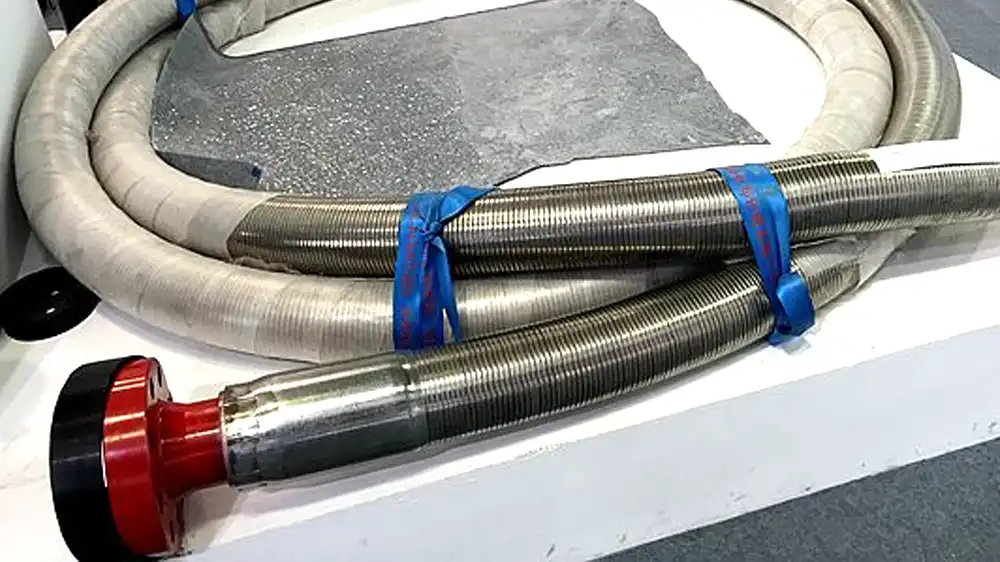
You need choke and kill hoses that can handle the toughest drilling environments. Alienfrac uses a layered design to give you the strength and flexibility you require. The inner tube resists abrasion from drilling fluids. You get multiple layers of high-tensile steel wire or cable for reinforcement.
The outer cover stands up to oil, weather, and rough handling. This construction keeps your choke and kill hoses reliable during every stage of drilling.
Note: Careful material selection ensures your hoses last longer and perform better under pressure.
You benefit from hoses built with advanced synthetic rubber and steel. These materials help you manage high-pressure drilling fluids and keep your team safe.
Reinforcement and Durability
You rely on choke and kill hoses for critical pressure management. Alienfrac reinforces each hose with several layers of high-tensile steel. This design gives you the durability to handle sudden pressure spikes during choke and kill operations.
You can trust these hoses to maintain their shape and strength, even when exposed to harsh drilling muds and chemicals.
A quick look at the reinforcement features:
- Multiple steel wire or cable layers for maximum strength
- Abrasion-resistant inner tube for long service life
- Weather-resistant cover for outdoor drilling
Alienfrac’s hoses meet strict API, DNV, ABS, and CCS certifications. You get peace of mind knowing your choke and kill hoses meet the highest safety standards.
End Fittings and Connections
You need secure connections for your choke and kill hoses. Alienfrac uses heavy-duty end fittings and precision crimping. This design ensures a tight seal and stable performance during choke and kill operations. You can connect hoses quickly to choke manifolds, BOPs, and mud pumps.
Reliable connections help you avoid leaks and keep your drilling site safe.
Tip: Always check your end fittings before starting drilling. Proper connections support both safety and efficient pressure management.
Alienfrac’s advanced construction and certified quality give you confidence in every choke and kill operation.
Safety, Standards, and Blowout Protection
API 16C Compliance
You must understand the importance in drilling operations of API 16C compliance. This standard sets strict requirements for choke and kill hoses used in oil and gas drilling. You rely on these hoses to serve as safety barriers that protect your team and equipment.
API 16C certification ensures that each hose can handle the high pressures and harsh conditions found in oil and gas fields. Alienfrac manufactures choke and kill hoses that meet or exceed API 16C, DNV, ABS, and CCS standards.
You gain confidence knowing your hoses have passed rigorous tests for safety and efficiency.
Note: Always check for API 16C markings before using choke and kill hoses in drilling operations. Certified hoses help you avoid costly failures and keep your site safe.
Safety Features and Environmental Protection
You need choke and kill hoses with advanced safety features to maintain control during oil and gas drilling. Alienfrac designs each hose with multiple safety barriers, including abrasion-resistant inner tubes and high-tensile steel reinforcement. These features help you prevent leaks and withstand sudden pressure surges.
You also protect the environment by using hoses that stop uncontrolled oil and gas releases. Alienfrac hoses support your commitment to safety and efficiency in every drilling operation.
Here are key safety features you should look for:
- Multiple layers of steel reinforcement
- Weather-resistant outer covers
- Heavy-duty end fittings for secure connections
You reduce environmental risks and improve safety by choosing hoses that meet strict industry standards.
Preventing Oil Well Blowout
You play a critical role in the prevention of oil and gas well blowouts. Choke and kill hoses act as primary safety barriers during drilling operations. You use these hoses to control pressure and circulate heavy drilling mud, which helps you stop dangerous kicks before they escalate.
Prevention starts with regular inspection and maintenance of your choke and kill hoses. You must always monitor pressure levels and respond quickly to any signs of trouble. Alienfrac hoses give you the reliability needed for effective prevention of oil and gas blowouts.
Tip: Prevention is your best defense. Always inspect your choke and kill hoses before starting drilling operations.
You ensure safety and efficiency by making prevention a top priority in every oil and gas drilling project.
Conclusion
You depend on choke and kill hoses to keep your drilling operations safe and efficient. These hoses help you prevent blowouts and protect your team. Alienfrac delivers quality, innovation, and industry-leading standards in every product. You should choose certified, high-performance hoses for your projects.
For expert advice or tailored solutions, visit Alienfrac’s official website or contact their team for support.
FAQ
What is the main purpose of a choke and kill hose in a well?
You use a choke and kill hose to control pressure in a well. This hose helps you manage fluid movement and maintain safety. You reduce the risk of blowouts and protect your team during drilling operations.
How does a choke and kill hose reduce risk during drilling?
You rely on a choke and kill hose to lower risk by controlling pressure in the well. This hose lets you respond quickly to changes. You prevent dangerous situations and keep your site safe with proper risk assessment.
Why is risk assessment important before using a choke and kill hose?
You perform a risk assessment to identify hazards in the well. This process helps you plan safe operations. You lower the risk of accidents by understanding the well environment and using the right equipment.
What should you check during a well risk assessment?
You check pressure levels, hose condition, and equipment compatibility during a well risk assessment. You look for signs of wear or damage. You assess the risk of leaks or failures to keep your well safe.
How often should you perform assessment and maintenance on choke and kill hoses?
You perform assessment and maintenance before each well operation. You inspect hoses for damage and test pressure ratings. You reduce risk by keeping your equipment in top condition and following a regular assessment schedule.
