
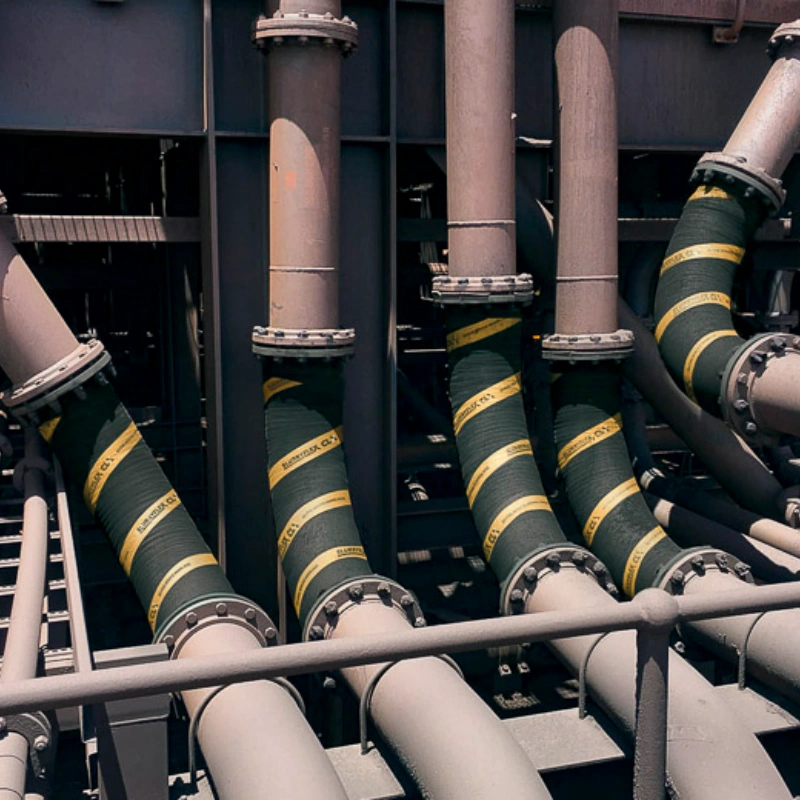
Selecting the right slurry hose for industrial applications requires careful attention to both material and operational demands. You should focus on the following criteria:
- Abrasion resistance for handling harsh slurries
- High-pressure tolerance and safety margins
- Flexibility for installation in tight spaces
- Chemical resistance, considering real-world temperature impacts
- Proper size and construction to match your system
- Maintenance needs to prevent inner wall erosion and pressure spikes
Matching hose features to your application boosts efficiency, safety, and cost-effectiveness. Alienfrac delivers innovative solutions for selecting slurry hoses and pipes in demanding environments.
Key Takeaways
- Choose slurry hoses based on the specific properties of your slurry, including abrasiveness and chemical composition, to ensure durability and reduce maintenance.
- Evaluate the pressure rating and flexibility of hoses to match your operational needs, preventing leaks and ensuring safe transport of materials.
- Regularly inspect and maintain your slurry hoses to extend their lifespan and avoid costly downtime due to unexpected failures.
- Invest in high-quality hoses from trusted manufacturers like Alienfrac to achieve long-term performance and cost-effectiveness in your operations.
- Consult with experts when facing complex requirements to ensure you select the right hose and pipe solutions for your industrial applications.
Key Criteria for Slurry Hose and Pipe Selection
Matching Hose to Application
You need to match the right hose and pipe to your specific industrial application. Slurry hose and pipe selection depends on the properties of the slurry, the operational environment, and the standards required by your industry. If you handle abrasive materials, you must choose a pipe with strong abrasion resistance.
When you work in high-pressure systems, you need a hose that can withstand those demands. Flexible pipes suit installations with many bends, while rigid pipes work best for straight routes.
You must also consider temperature extremes and chemical exposure. These factors help you avoid downtime and ensure safe, efficient operations.
Tip: Always review your system’s requirements before making a slurry hose and pipe selection. This step prevents costly mistakes and improves long-term performance.
Essential Selection Factors
You must evaluate several key factors during slurry hose and pipe selection. The following table summarizes the most important considerations:
| Factor | Description |
|---|---|
| Pipe Material | Materials like steel, rubber, HDPE, PVC, and fiberglass offer unique properties for different slurries. |
| Pipe Diameter and Thickness | Larger diameters reduce blockages; thicker walls increase durability and pressure tolerance. |
| Flexibility and Bending Radius | Flexible pipes handle bends and uneven terrain; rigid pipes suit straight installations. |
| Pressure Rating | The pipe must match your operational pressure to prevent ruptures and maintain safety. |
| Temperature Resistance | Pipes must withstand temperature extremes for continuous operation. |
| Installation and Maintenance | Durable pipes may cost more upfront, but reduce maintenance needs and downtime. |
You should always follow industry standards for slurry hose and pipe selection. These standards ensure safety and reliability. Alienfrac offers advanced, certified hoses and pipes that meet strict requirements. You can rely on Alienfrac’s expertise and innovation for demanding environments.
Their products help you achieve efficient, safe, and cost-effective operations. When you choose Alienfrac, you gain access to tailored solutions and high-quality materials that support your industrial needs.
What Are Slurry Hoses?
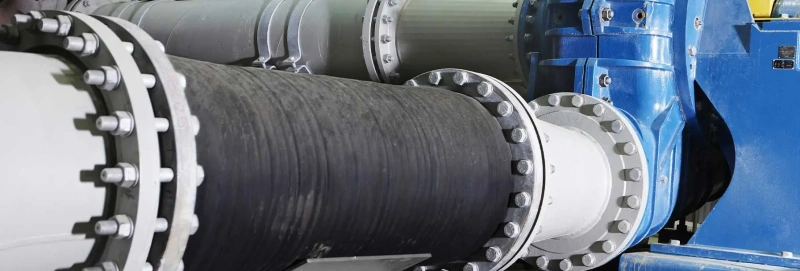
Definition and Function
You use slurry hoses to move abrasive mixtures of solids and liquids through a pipe system. These hoses have a tough construction that sets them apart from regular hoses. Manufacturers design slurry hoses with multiple layers, including a wear-resistant inner lining, strong reinforcement, and a durable outer cover.
This structure helps you handle high pressures, sharp bends, and harsh environments. Unlike standard pipe or hose, slurry hoses resist abrasion, chemical attack, and temperature swings. You rely on them for reliable slurry transport in mining, dredging, and construction.
The main function of slurry hoses is to keep material flowing smoothly, prevent blockages, and withstand continuous wear from sand, gravel, or ore.
Note: Alienfrac specializes in producing high-performance slurry hoses and pipe solutions. You benefit from their advanced technology and strict quality standards, which ensure safe and efficient operations in demanding settings.
Main Industrial Uses
You find slurry hoses in many industries that require tough pipe systems. The table below shows key applications of slurry hoses and where you use them most:
| Industry | Common Uses |
|---|---|
| Construction | Hydraulic systems, material handling, dust suppression |
| Mining | Transfer of slurry, water, and chemicals |
| Applications | Excavation equipment, concrete pumping, tunnel boring machines |
You use slurry hoses for slurry transport in land reclamation, dredging, and environmental cleanup. In these jobs, you need hoses that can handle abrasion, chemical exposure, and high pressure. You also use them in wastewater treatment, where chemical resistance is critical.
Alienfrac’s expertise covers all these areas, giving you access to reliable pipe and hose solutions for every challenge.
Importance of Proper Selection
You must choose the right slurry hoses and pipe for your operation. Proper selection improves efficiency and safety. When you match hose specifications to your working conditions, you reduce the risk of failures like inner wall perforation or coupling bursts.
You also extend the service life of your pipe system by using wear-resistant materials. Features such as quick-connect couplings and real-time wear monitoring help you respond quickly to emergencies. This approach minimizes downtime and lowers costs.
Alienfrac offers certified slurry hoses and pipes that meet strict industry standards, so you can trust their products to deliver long-term value and performance.
Understanding Slurry Characteristics
Abrasiveness and Solids
When you select slurry hoses and pipe, you must first consider the abrasiveness and solid content of the slurry. The size, shape, and density of particles in your slurry determine how quickly surfaces wear down.
Coarse and heavy particles increase the risk of abrasion, especially when you are transporting abrasive materials. If your slurry contains a high percentage of solids, you will notice more frequent impacts on the inner walls of the pipe and hose.
This leads to faster wear and can change the flow pattern, causing unexpected damage in certain areas. You need to choose slurry hoses and pipe materials that can handle these conditions. For example, high-chrome alloys work well for coarse slurries, while elastomer linings suit fine or chemically aggressive mixtures.
The right choice helps you reduce maintenance and extend the lifespan of your system.
Chemical and Temperature Factors
You also need to evaluate the chemical composition and temperature range of your slurry. Different pipe and slurry hose materials respond differently to chemicals and heat. Steel pipe offers strength and durability for high-pressure slurry, but you may need coatings to prevent corrosion.
Rubber-lined pipe reduces abrasion but can degrade if exposed to harsh chemicals, so you must monitor its condition. HDPE pipe provides flexibility and resists both corrosion and abrasion, making it a good option for many applications.
PVC pipe works for low-temperature, non-abrasive slurries, but it does not perform well in demanding environments. Fiberglass pipe resists chemical corrosion and is lightweight, but it is less resistant to abrasion.
When you face extreme temperatures, select slurry hoses and pipe with the right thermal resistance to avoid cracking or brittleness. This ensures your system operates smoothly, even under tough conditions.
Pressure Requirements
Pressure is another critical factor in slurry hose and pipe selection. High-pressure slurry systems demand hoses and pipes that can withstand intense internal forces without bursting or leaking. You must check the pressure rating of each component to match your operational needs.
If you use slurry hoses in a high-pressure slurry application, always confirm that the hose and pipe can handle the maximum expected pressure. This step protects your equipment and keeps your operation safe. Properly rated hoses and pipes also help you avoid costly downtime and repairs.
Types of Slurry Hoses
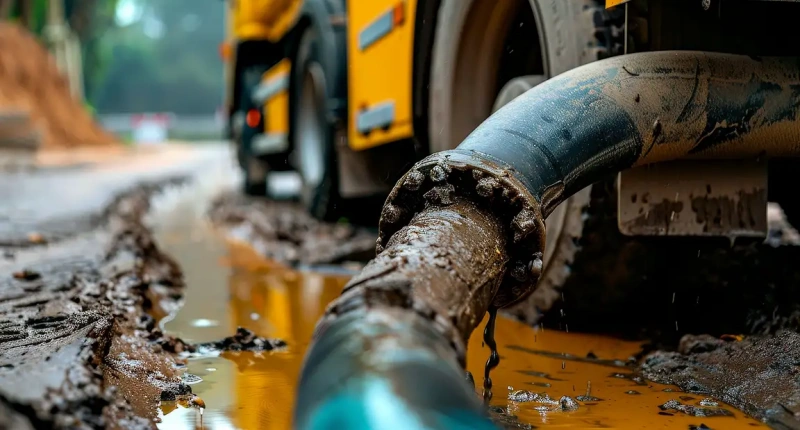
You encounter several types of slurry hoses in industrial operations. Each type serves a specific purpose and fits unique environments. Choosing the right hose improves efficiency and safety. Alienfrac offers a wide range of specialized slurry hoses for mining, dredging, construction, and other demanding applications.
Suction Hoses
A suction slurry hose draws slurry from a source. You use this hose when you need to move material from pits, tanks, or rivers. The hose must withstand negative pressure and resist collapse. You often find suction slurry hose in mining and waste management.
Alienfrac designs suction slurry hoses with reinforced layers to handle abrasive particles and harsh conditions.
Discharge Hoses
A discharge slurry hose moves slurry away under positive pressure. You rely on this hose to transport material from pumps to storage or processing areas. Discharge slurry hose works well in construction, agriculture, and chemical plants. You need a hose with high-pressure tolerance and abrasion resistance.
Alienfrac provides discharge slurry hoses that meet strict industry standards for durability and performance.
Floating Hoses
Floating slurry hoses operate in marine and dredging environments. You use these hoses to transport slurry over water, such as in river or coastal dredging projects. Floating hoses stay above the water surface, preventing sinking and reducing wear.
Alienfrac’s floating slurry hoses feature buoyant materials and flexible construction for reliable operation in challenging conditions.
Dredging Hoses
Dredging slurry hose is rugged and durable. You use this hose for moving sand, mud, and sediments during dredging operations. Dredging slurry hose must resist abrasion and handle heavy loads. You see these hoses in land reclamation, harbor maintenance, and environmental cleanup.
Alienfrac manufactures dredging slurry hose with advanced materials to ensure long service life and minimal downtime.
Flexible and Armored Hoses
Flexible and armored slurry hoses adapt to constrained spaces and rough terrain. You choose flexible hoses for installations with many bends. Armored hoses provide extra protection against impact and abrasion. You find these hoses in mining, construction, and chemical processing.
Alienfrac’s flexible and armored slurry hoses combine strength and adaptability for safe and efficient operations.
Note: Selecting the right types of slurry hoses for your application prevents corrosion, leakage, and hose rupture. You protect your equipment and maintain safety by matching hose features to your operational needs.
| Industry | Uses of Slurry Hoses |
|---|---|
| Mining | Transporting ores, coal, and minerals mixed with water |
| Dredging | Moving sand, mud, and sediments |
| Construction | Pumping concrete, cement, and sludge |
| Chemicals | Handling abrasive or corrosive chemicals safely |
| Waste Management | Transferring sludge, wastewater, and residues |
| Agriculture | Transporting liquid fertilizers and manure slurry |
Alienfrac’s specialized slurry hoses support these industries with certified products and tailored solutions. You gain reliability and performance for every scenario.
Slurry Hose Material Comparison
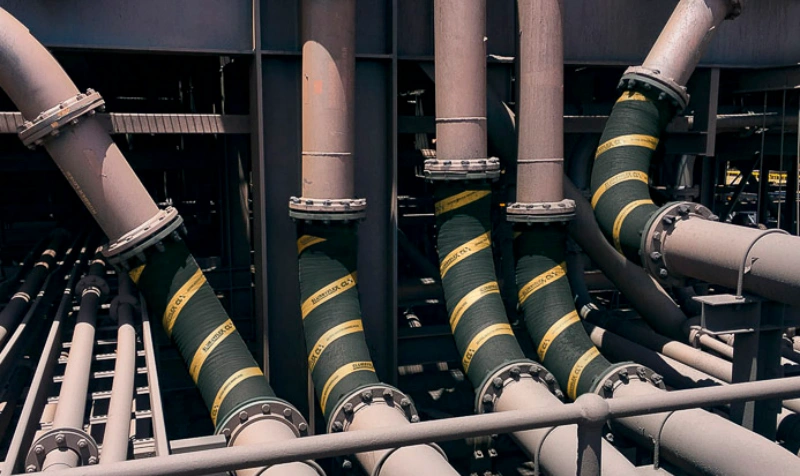
Choosing the right slurry hose material impacts your system’s durability, flexibility, and maintenance needs. You must understand how each material performs under real-world industrial conditions.
Rubber-Lined
You benefit from rubber-lined slurry hoses when you need strong chemical resistance. These hoses handle corrosive slurries well and offer good flexibility. Rubber liners provide high wear resistance in many applications, but they may wear faster with large, abrasive particles.
You often select rubber-lined hoses for their cost-effectiveness and ability to extend pipe life in moderate conditions.
- High resistance to chemical degradation
- Good flexibility for tight installations
- May require special handling due to weight
- Not ideal for extremely abrasive slurries
Polyurethane
Polyurethane hoses combine the best features of plastic and rubber. You get high wear resistance and excellent tear strength. Polyurethane resists petroleum-based chemicals and absorbs impacts, which helps protect your system from damage.
These hoses remain flexible and durable, even in harsh environments. You can use polyurethane hoses in a wide temperature range, making them suitable for many industries.
- Superior abrasion and tear resistance
- Good chemical resistance, especially to fuels
- Seamless casting eliminates weak points
- The temperature range is from -40°C to 80°C
Polyolefin
Polyolefin hoses offer lightweight construction and chemical resistance. You use these hoses for less abrasive slurries and where weight matters. Polyolefin does not match the high wear resistance of polyurethane or rubber, but it works well in low-pressure, non-abrasive applications.
Steel
Steel hoses deliver unmatched strength and are high-pressure resistant. You choose steel for high-pressure slurry transport when you need high wear resistance against large, abrasive solids.
Steel hoses may require coatings to prevent corrosion in chemical environments. They are heavier and less flexible, so you use them in straight runs or fixed installations.
HDPE, PVC, Fiberglass
| Material | Lifespan (Years) | Maintenance Requirements |
|---|---|---|
| HDPE | 50 to 100 | Lower maintenance due to leak-free joints |
| PVC | 50 to 100 | May require more maintenance due to potential leakages at joints |
HDPE hoses give you long service life and excellent corrosion resistance. You benefit from leak-free joints and lower lifecycle costs.
PVC hoses are lightweight and easy to install, but they suit only low-pressure or mild chemical applications. Fiberglass hoses resist chemical attack and are lightweight, but they do not provide high wear resistance for abrasive slurries.
Pros and Cons
| Material | Pros | Cons | Best Applications |
|---|---|---|---|
| Rubber-Lined | Good abrasion resistance, cost-effective | Heavy, may wear faster with coarse slurries | Moderate abrasion, chemical slurries |
| Polyurethane | High wear resistance, flexible, durable | Higher cost than rubber | Abrasive, chemically aggressive slurries |
| Polyolefin | Lightweight, chemical-resistant | Lower abrasion resistance | Low-pressure, non-abrasive slurries |
| Steel | High-pressure resistant, durable | Prone to corrosion, heavy | High-pressure, abrasive slurries |
| HDPE | Long lifespan, leak-free, corrosion-resistant | Less abrasion resistance than steel/ceramic | Chemically aggressive, low-abrasion slurries |
| PVC | Affordable, lightweight | Not for high wear resistance or high pressure | Low-pressure, mild chemical slurries |
| Fiberglass | Chemical-resistant, lightweight | Not for high wear resistance | Chemical transfer, low-abrasion environments |
You can trust Alienfrac to deliver hoses made from certified, high-quality materials. Their products meet strict industry standards, ensuring safety and performance in every application.
Performance and Installation
Wear and Pressure Resistance
You rely on slurry hoses that deliver strong abrasion resistance and high-pressure ratings. These hoses withstand the harshest slurries and maintain performance under demanding conditions. The table below highlights key features you should look for:
| Feature | Description |
|---|---|
| Strong Abrasion Resistance | Made from materials that resist wear from abrasive slurries, ensuring longevity. |
| Pressure Ratings | Designed to withstand high pressures typical in slurry pumping systems. |
| Vacuum Resistance | Capable of handling strong vacuums for efficient suction and discharge. |
Selecting hoses with these features helps you avoid unexpected failures and keeps your operation running smoothly.
Flexibility and Bending
Flexibility and minimum bend radius (MBR) play a crucial role in installation and operational efficiency. You need hoses that bend easily without damage. If you exceed the recommended bend radius, you risk structural weakening and reduced flow. To optimize performance:
- Use the largest possible bend radius to allow hoses to curve naturally.
- Avoid sharp bends near fittings to prevent stress fractures.
- Regularly inspect hoses for signs of wear or damage.
These practices ensure safe installation and extend hose life.
Anti-Aging and Environment
Environmental factors such as oxygen, ozone, heat, light, and moisture contribute to hose aging. You can minimize these effects by:
- Choosing the right hose type for your environment and medium.
- Storing hoses in dry, ventilated, and cool places.
- Conducting regular maintenance inspections.
- Using sunshades or protective coatings in extreme conditions.
These steps help you maintain hose integrity and reduce replacement costs.
Size and Length
Standard size and length options impact performance and installation flexibility. The table below shows common sizes:
| Hose Size (inches) | Diameter (mm) | Working Pressure (psi) | Burst Pressure (psi) | Standard Length (ft) |
|---|---|---|---|---|
| 2 | 51 | 150 | 450 | 200 |
| 2-1/2 | 64 | 150 | 450 | 200 |
| 3 | 76 | 150 | 450 | 200 |
| 3-1/2 | 89 | 150 | 450 | 200 |
| 4 | 102 | 150 | 450 | 200 |
| 6 | 152 | 150 | 450 | 132 |
Choosing the right size and length ensures proper flow and reduces installation challenges.
Maintenance Needs
Efficient slurry handling depends on durable hoses and proper maintenance. You lower operational costs by minimizing replacements and repairs. Regular inspections help you spot wear early and prevent breakdowns.
Proper storage maintains hose integrity and reduces maintenance needs. By following these practices, you keep your system reliable and extend its service life.
Cost-Benefit and Value
Upfront vs Lifetime Cost
When you evaluate slurry hoses for your operation, you must look beyond the initial price tag. Premium slurry hoses use advanced materials that resist wear and chemical damage, which gives you a longer lifespan. Investing in high-quality slurry hoses reduces how often you need replacements.
This saves money over time. Cheaper slurry hoses may seem attractive at first, but they often lead to leaks and bursts. These issues increase maintenance costs and disrupt your workflow.
- Premium hoses last longer and require fewer replacements.
- High-quality hoses lower maintenance expenses.
- Low-cost hoses can cause frequent failures and higher repair bills.
The initial investment in slurry hoses is higher because of durable materials and advanced features. You balance these costs with lower lifetime expenses. These hoses need less maintenance and have longer replacement intervals. You achieve a more economical total cost of ownership.
Downtime and Maintenance
Neglecting regular maintenance for slurry hoses leads to unexpected failures and equipment breakdowns. These problems affect productivity and profitability. Unplanned equipment failures cost businesses an average of $50,000 per hour in lost productivity.
A single day of downtime can devastate monthly profits for small businesses. You can avoid these losses by implementing a preventive maintenance plan. Tracking the life and performance of slurry hoses helps you minimize downtime and optimize productivity.
| Impact of Downtime | Estimated Cost |
|---|---|
| Hourly productivity loss | $50,000 |
| Single-day downtime | Severe profit reduction |
Efficiency and Safety
You improve efficiency and safety by selecting slurry hoses that match your operational needs. Reliable slurry hoses keep material flowing and prevent leaks or bursts. This reduces risks for your team and protects your equipment.
When you choose hoses with proper ratings and features, you maintain steady productivity and avoid costly interruptions. You also create a safer work environment, which supports long-term success.
Tip: Always prioritize quality and preventive maintenance for slurry hoses to maximize value and minimize risk.
Practical Selection Guide: How to Choose a Slurry Hose?
Selecting the right slurry hose for your operation requires a systematic approach. This selection guide gives you a clear, step-by-step process to ensure you match the hose and pipe to your specific needs. By following these steps, you can improve efficiency, safety, and the lifespan of your equipment.
Assess Application Needs
Start your selection guide by evaluating the demands of your application. Each slurry system has unique requirements, so you must look at several factors before you choose a slurry hose or pipe.
- Assess wear resistance. Make sure the hose can handle abrasion from solid particles in your slurry.
- Check pressure resistance. Confirm the hose can withstand the highest pressure in your system, including compressive strength and burst pressure.
- Evaluate flexibility. Test the hose’s ability to bend and twist without damage, especially if your installation has tight spaces or sharp turns.
- Consider anti-aging properties. Select hoses that resist UV rays and oxygen to extend service life.
- Ensure ease of cleaning and maintenance. Choose hoses that allow for quick cleaning to reduce downtime and maintenance costs.
Tip: A thorough assessment at this stage helps you avoid costly mistakes and ensures your pipe system operates smoothly.
Select Hose Type and Material
The next step in your selection guide is to match the hose type and material to your slurry’s characteristics and operational requirements. You need to consider several important points:
- Chemical compatibility. Make sure the hose material will not degrade when exposed to your slurry’s chemicals.
- Particle shape. Identify if your slurry contains sharp or irregular particles, as these can affect hose wear.
- Specific gravity (SG). Heavier slurries put more stress on the hose and pipe, so select materials that can handle the load.
- Flow rate. Choose a hose that supports your required flow rate without causing blockages or excessive wear.
- Maintenance routines. Factor in how often you plan to inspect and maintain the hose and pipe.
Alienfrac offers a wide range of hose types and materials, including rubber-lined, polyurethane, steel, and HDPE options. You can find a solution tailored to your specific application.
Confirm Size and Pressure
Proper sizing and pressure ratings are critical in your selection guide. If you choose the wrong size or pressure rating, you risk system failure or reduced performance.
- Design factors. Understand the design ratio needed for your application, as different uses require different safety margins.
- Temperature considerations. Check the temperature of both the slurry and the environment. Extreme temperatures can affect hose and pipe performance.
- Application specifics. Analyze your system’s pressure requirements and the type of media being transported.
- Material compatibility. Ensure the hose and pipe materials are suitable for the slurry to prevent degradation or leaks.
You should always verify that the hose and pipe meet or exceed your system’s maximum operating pressure.
Plan Installation and Maintenance
A successful installation and maintenance plan is essential for long-term performance. Your selection guide should include these best practices:
- Test hoses after installation and at regular intervals, especially in high-wear or high-pressure applications.
- Use hose guards or sleeves in areas with high friction, and inspect these spots regularly for signs of wear.
- Apply clamps mechanically and torque them to the manufacturer’s specifications for safe, consistent connections.
- Include visual inspections in your standard operating procedures. Check hose and pipe integrity before each use.
- Always verify the hose’s pressure rating and keep system PSI within safe limits. Install pressure relief valves if needed.
Maintenance planning is especially important in abrasive environments. Regular inspections and preventative maintenance help you avoid unexpected failures and costly downtime.
Consult Experts and Alienfrac
You do not have to navigate the selection guide alone. When you face complex requirements or unique challenges, consult with industry experts. Alienfrac’s team brings years of experience in hose and pipe solutions for demanding environments.
You can reach out for tailored advice, product recommendations, and support throughout the selection and installation process.
Note: Alienfrac’s certified products and expert guidance ensure you choose a slurry hose and pipe system that meets your operational goals and safety standards.
By following this practical selection guide, you can confidently choose a slurry hose and pipe that deliver reliability, efficiency, and long-term value for your industrial application.
Conclusion
Choosing the right slurry hose protects your operation and boosts efficiency. You gain long-term safety and performance when you invest in quality hoses from Alienfrac. Regular inspection and maintenance keep your system running smoothly. For complex or unique needs, reach out to Alienfrac’s experts for tailored solutions.
Remember: The right hose choice today prevents costly problems tomorrow.
FAQ
What is the most important factor when choosing a slurry hose?
You should focus on matching the hose material to your slurry’s abrasiveness and chemical properties. This ensures durability and reduces maintenance. Always check the manufacturer’s recommendations for your specific application.
How often should you inspect slurry hoses?
You should inspect hoses before each use and schedule regular monthly checks. Look for signs of wear, leaks, or damage. Early detection helps you prevent costly failures and downtime.
Can you use the same hose for different types of slurry?
You should not use one hose for all slurries. Each slurry has unique properties. Select a hose designed for your specific material to ensure safety and performance.
How do you extend the lifespan of a slurry hose?
Store hoses in a cool, dry place.
Avoid sharp bends during installation.
Clean hoses after use.
Follow a regular inspection and maintenance schedule.
Where can you get expert advice on slurry hose selection?
You can contact Alienfrac’s technical team for tailored recommendations. Visit Alienfrac’s website or email alienfrac@qingflexgroup.com for expert support.
