
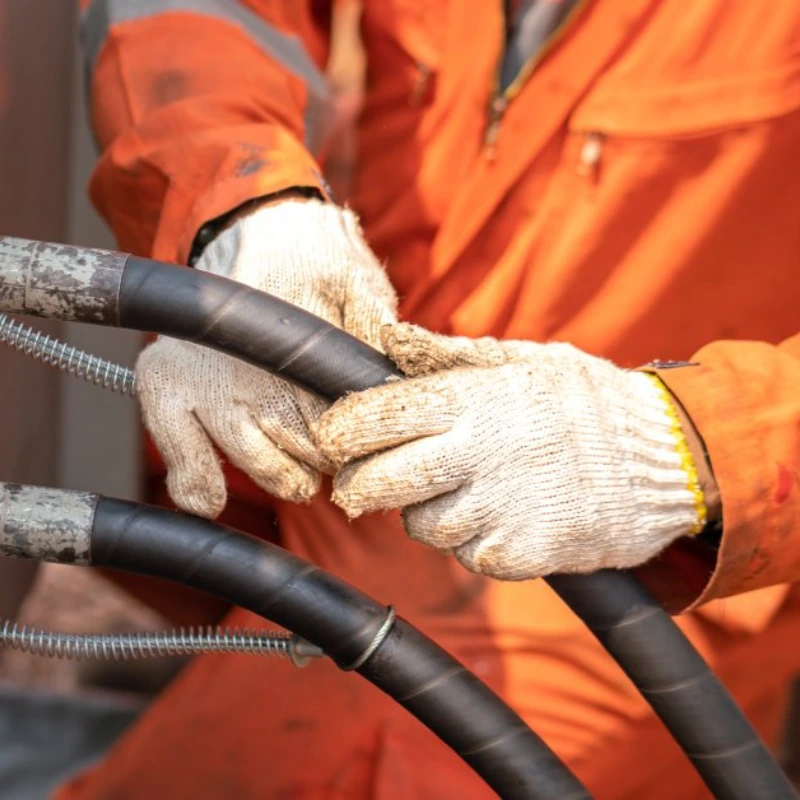
When you face a sudden issue with your material handling hose repair, you need to act fast to keep your operation safe and productive. Quick action reduces downtime and prevents hazards that can occur when equipment fails.
- You help maintain a safe worksite.
- You avoid costly project delays.
- You support operational efficiency with immediate solutions.
Alienfrac stands by your side with high-quality hose solutions you can trust for every urgent repair.
Key Takeaways
- Act quickly to address those issues. Fast repairs reduce downtime and maintain safety.
- Regularly inspect hoses for signs of damage. Early detection prevents unexpected failures.
- Keep an emergency repair kit ready. Essential tools enable quick fixes in urgent situations.
- Choose certified hoses and fittings. Quality parts ensure safety and long-term performance.
- Conduct thorough leak checks after repairs. Multiple testing methods confirm the integrity of the hose.
Assess Hose Damage
Signs of Hose Failure
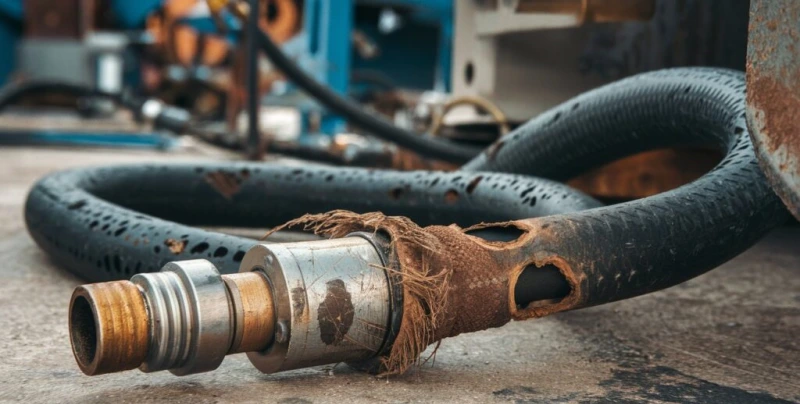
You need to recognize early warning signs to prevent unexpected breakdowns during material handling hose repair. Common types of damage include:
- Abrasion and external wear from contact with rough surfaces. This can cause leaks or ruptures.
- Improper bend radius, which leads to kinking and internal damage.
- Temperature extremes and environmental exposure result in material degradation.
- Pressure spikes or overloading weaken hose integrity.
- Chemical incompatibility, causing the hose material to break down.
- Improper installation, such as twisting or stretching, can lead to leaks and premature failure.
- Lack of regular maintenance allows undetected wear and tear.
Visual indicators often signal imminent hose failure. Look for cracked or abraded outer covers, bulges, blisters, or swelling. Fluid weeping at fittings may indicate cold flow or fitting detachment. These signs suggest the hose may not withstand operational demands.
Tip: Always check for loose or broken braids, deformations, corrosion, and damaged hose guards during your inspection.
Safe Inspection Steps
You must follow industry standards and safety protocols when inspecting hoses. Begin with these steps:
- Shut off the power source to the hydraulic system and lower the equipment.
- Relieve pressure in the system by moving the control lever.
- Use a piece of cardboard or a mirror to locate leaks. Avoid direct contact with the hose.
Regular visual inspections help you identify cuts, cracks, abrasions, and kinks. Functional tests, such as pressure and flex testing, confirm the hose can handle operational requirements. Check fittings for security and inspect connections for leaks. Maintain detailed records and establish a routine inspection schedule.
Note: Consider environmental factors like chemical exposure and extreme temperatures. These conditions can affect hose integrity and performance.
By following these steps, you ensure a safe and thorough assessment before starting material handling hose repair. Early detection reduces risks and keeps your operation running smoothly.
Tools and Materials for Material Handling Hose Repair
Emergency Repair Kits
You need to keep an emergency repair kit on hand for fast response during material handling hose repair. These kits help you handle leaks or minor hose failures without waiting for full replacements. A typical kit includes:
- Hose clamps and couplings
- Replacement hose sections
- Utility knife or hose cutter
- Wrenches and screwdrivers
- Sealant tape and patch materials
- Safety gloves and protective eyewear
Having these tools ready allows you to act quickly and reduce downtime. You can find high-quality emergency repair kits and hose solutions from trusted brands like Alienfrac. Their products support safe and efficient repairs in demanding environments.
Tip: Store your repair kit in an accessible location and check it regularly to ensure all items are in good condition.
Choosing Quality Parts
Selecting the right replacement parts is critical for safety and long-term performance. When choosing hoses and fittings, you should consider several important criteria:
- Match the inside diameter and length to your existing hose.
- Confirm the hose can handle the required temperature range.
- Specify the application and any resistance needs, such as abrasion or chemical exposure.
- Identify the type of media conveyed and any external exposure.
- Check the highest operating pressure and whether it is dynamic or static.
- Choose proper end styles, threads, and attachment methods.
- Work with suppliers who offer quality guarantees and expert support.
Alienfrac provides certified hoses and components that meet strict industry standards. Using certified products ensures your repairs are safe and reliable. The table below highlights why certifications matter:
| Purpose | Importance |
|---|---|
| Demonstrates that a hydraulic hose can withstand repeated pressure fluctuations | Certifies that the hose can handle demanding conditions, minimizing risks of failures and leaks |
| Ensures compliance with industry standards | Provides evidence of the hose’s quality and performance |
| Assures the hose’s quality and reliability | Ensures that the hose meets industry standards and regulatory requirements |
| Contains detailed testing parameters and results | Gives users confidence in the hose’s ability to perform reliably over its intended lifespan |
By choosing certified hoses and repair materials from Alienfrac, you protect your team and equipment. You also ensure your material handling hose repair meets safety and performance requirements.
Remove and Replace Damaged Section
Safe Removal Process
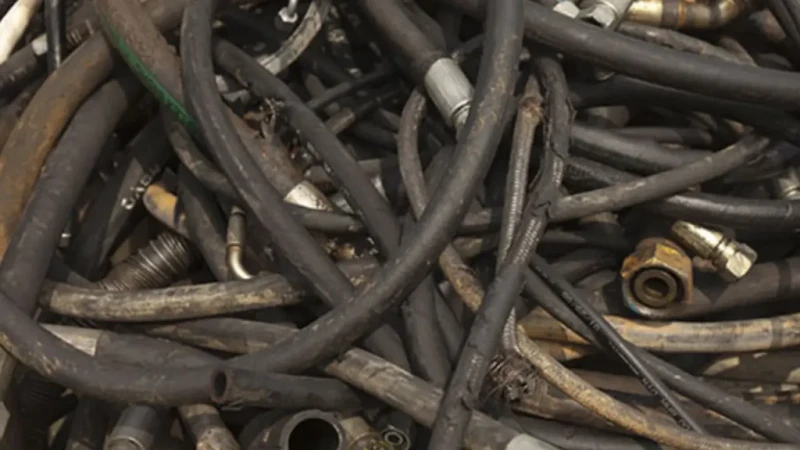
You need to remove the damaged hose section with care to prevent injury and equipment damage. Start by preparing your work area. Identify the fitting type and gather all necessary tools, such as wrenches, penetrating oil, and safety gear. Make sure the workspace is clean and free from obstacles.
Follow these steps for safe removal:
- Assess the situation and prepare your work area. Clear any debris and ensure you have proper lighting.
- Relieve system pressure. Shut down the equipment and drain fluid if possible. This step prevents sudden bursts or leaks.
- Inspect the hose and fittings for visible corrosion or debris. Apply penetrating oil to stubborn fittings.
- Loosen the fittings using the correct torque. Use steady pressure with the appropriate wrench.
- Reapply penetrating oil if the fitting remains stuck. Allow time for the oil to work.
- Use additional leverage cautiously for stubborn fittings. If you encounter resistance, consult a professional.
Tip: Always wear safety gloves and protective eyewear. These protect you from sharp edges and unexpected fluid release.
You must avoid rushing the process. Careful removal ensures you do not damage surrounding components or create new hazards. Alienfrac hoses feature robust fittings that simplify removal and replacement, supporting efficient material handling and hose repair.
Handling Pressure and Residual Material
Residual pressure and material inside the hose can pose risks during removal. You need to follow best practices to manage these hazards.
- Drop the grapple teeth before disconnecting. This step prevents pressure buildup.
- Shut off the tractor or pump to stop fluid movement.
- Operate the grapple control in both directions. This action relieves any remaining pressure.
- Disconnect the grapple and hoses from the equipment.
- Plug the grapple hoses into each other. This keeps them clean and equalizes pressure.
- When reconnecting, repeat the pressure relief steps before attaching hoses.
Note: Always check for residual material before removing the hose. Use absorbent pads to catch any spills and dispose of waste according to safety guidelines.
You protect yourself and your team by following these steps. Proper handling of pressure and residual material prevents accidents and ensures a smooth transition to installing the new hose section.
Alienfrac hoses are engineered for safe operation, making removal and replacement straightforward in demanding environments.
Install and Secure New Hose Section
Installation Steps
You need to follow precise steps when installing a new hose section to ensure safety and performance. Start by identifying the correct hose for your application. Alienfrac hoses offer exceptional durability and reliability, making them a trusted choice for demanding environments.
Follow these steps for proper installation:
- Attach the hose to the most inaccessible end first. Tighten the fitting by hand.
- Connect the other end in the same way.
- Orient the hose correctly and install line support clamps to prevent sagging.
- Apply the recommended torque to all fittings. Lubricate threads if needed.
- Avoid over-bending the hose. Keep bends smooth and prevent sharp angles near fittings.
- Support the hose assembly to avoid axial extension or compression.
- Prevent twisting during installation. Handle the hose with care to avoid kinks or damage.
Tip: Always use the S.T.A.M.P. rule (Size, Temperature, Application, Media, Pressure) to verify hose specifications before installation.
Alienfrac hoses are engineered to withstand high pressures and harsh conditions. Using these hoses in your material handling hose repair helps you maintain safe and efficient operations.
Securing Connections
Securing hose connections properly prevents leaks and failures. You should always use reliable connectors and follow manufacturer torque recommendations. Alienfrac provides connectors with elastomeric seals for added reliability.
To secure connections effectively:
- Reduce the number of connectors to minimize potential leak points.
- Use connectors designed for your hose type and application.
- Tighten all fittings to the specified torque. Do not overtighten.
- Install supports to reduce vibration and stress on connections.
- Monitor operating temperatures to protect seals and prolong hose life.
- Regularly check for leaks by measuring oil consumption and inspecting connections.
Note: Always follow manufacturer guidelines for fitting selection, preparation, assembly, and testing. The table below summarizes key guidelines you should follow:
| Guideline | Description |
|---|---|
| Fitting and Coupling Selection | Ensure compatibility of materials, thread types, and coupling designs. |
| Preparation for Installation | Inspect hoses and fittings, use proper tools, and clean before cutting. |
| Assembly and Securing | Follow correct crimping, alignment, and calibration procedures. |
| Verification and Testing | Conduct visual inspections and pressure tests. Maintain documentation. |
| Compliance with Regulations | Follow safety rules for hydraulic hose lines and proper maintenance. |
By following these steps and using Alienfrac hoses, you ensure your installation meets industry standards for safety and reliability. Always consult the manufacturer’s instructions for best results.
Test and Verify Repair
Leak Check
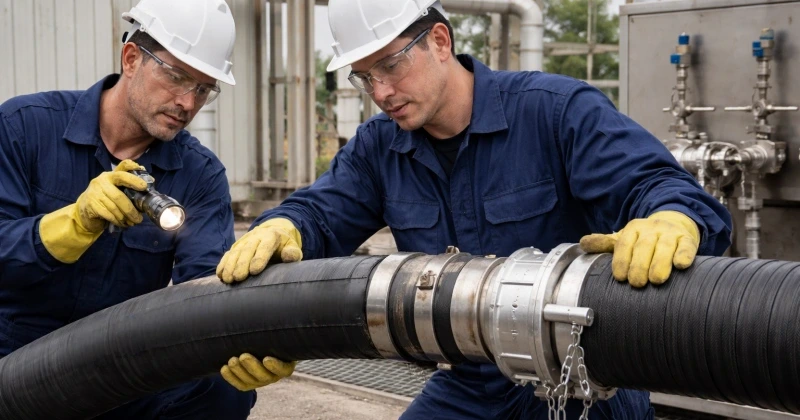
You must check for leaks after completing the material handling hose repair. Begin with a visual inspection. Look for signs of fluid seepage, discoloration, or water stains around fittings and hose surfaces. Examine the hose for cracks, abrasions, or swelling. If you notice any irregularities, address them immediately.
Next, perform a pressure test. Use a calibrated pressure gauge to monitor the hose under normal operating conditions. Watch for any pressure drops that could indicate hidden leaks. For more advanced detection, consider using thermal imaging to spot temperature changes caused by escaping fluid.
Acoustic listening devices can help you locate leaks in hard-to-reach areas. Dye testing works well for pinpointing leaks in specific sections. Video camera inspection provides real-time footage inside the hose, offering the most accurate assessment.
| Method | Description | Reliability for Newly Repaired Hoses |
|---|---|---|
| Visual Inspection | Examine for leaks, discoloration, or stains. | Useful for initial detection but not always conclusive. |
| Pressure Testing | Monitor pressure drops to identify leaks. | Highly reliable for new repairs. |
| Thermal Imaging | Detect temperature variations to find hidden leaks. | Effective for leaks not visible on the surface. |
| Acoustic Listening Devices | Use sound detection for leaks in inaccessible areas. | Precise for hard-to-reach leaks. |
| Dye Testing | Add dye to trace leaks in specific areas. | Good for targeted detection. |
| Video Camera Inspection | Real-time footage inside the hose. | Most accurate for internal leaks. |
Tip: Always use multiple leak detection methods for thorough verification.
Final Safety Inspection
You need to conduct a comprehensive safety inspection before returning the hose to service. Start by checking for vibration damage. Inspect for signs of wear or loosening caused by equipment movement. Look for chemical exposure, such as swelling or softening. Examine the hose for abrasion from adjacent components.
Verify the twist direction matches manufacturer recommendations. Inspect connectors for wear or damage. Check crimped areas for secure attachment and deformities. Look for fluid contamination inside the hose. Confirm hose length consistency, avoiding stretching or sagging.
Inspect protective coverings for damage. Ensure compliance with industry safety, pressure, and temperature standards.
| Inspection Criteria | Description |
|---|---|
| Vibration Damage | Check for wear or loosening from vibration. |
| Chemical Exposure Signs | Identify degradation from incompatible fluids. |
| Abrasion from Adjacent Components | Look for wear caused by rubbing against equipment. |
| Twist Direction Consistency | Verify installation matches manufacturer’s recommendations. |
| Connector Wear | Examine fittings for damage. |
| Crimped Area Integrity | Inspect crimped ends for secure attachment. |
| Fluid Contamination | Check for internal contamination. |
| Hose Length Consistency | Ensure correct length without stretching or sagging. |
| Protective Coverings | Inspect sleeves or wraps for damage. |
| Compliance with Standards | Verify hoses meet safety, pressure, and temperature standards. |
Note: Document all inspection results and keep records for future reference.
You ensure safe operation and prevent future failures by following these steps. Thorough testing and inspection are essential for every repair.
Conclusion
You can achieve quick and effective material handling hose repair by following these essential steps:
- Take safety precautions before starting any repair.
- Inspect the hose for visible damage.
- Remove damaged areas and clear debris.
- Measure hose length and gather adapters.
- Install and tighten the new hose.
- Test the hose under low pressure for leaks.
Regular inspections and proper installation reduce hose failures. Selecting certified hoses like Alienfrac ensures reliability and safety.
| Scenario | Recommendation |
|---|---|
| Custom hose specifics needing precise crimping, sizing, or fluid compatibility | Seek professional services |
| Lack of a crimper or trust in fittings under pressure | Seek professional services |
| Need for quick machine service to avoid downtime | Seek professional services |
| Fixing a low-pressure line on a non-critical machine with available tools | DIY may be acceptable |
| Working with pressures over 3,000 psi or running daily machines | Seek professional services |
| Risk of failed hoses leading to higher costs, downtime, and safety issues | Seek professional services |
Always prioritize safety and use certified products for lasting repairs.
FAQ
How often should you inspect material handling hoses?
You should inspect hoses weekly. Look for signs of wear, leaks, or damage. Early detection prevents failures and keeps your operation safe.
What safety gear do you need for hose repair?
Wear safety gloves, protective eyewear, and sturdy clothing. These items protect you from sharp edges and fluid leaks.
Always use proper gear before starting repairs.
Can you repair a hose without replacing it?
You can patch minor leaks using emergency repair kits.
For severe damage, replace the hose section to ensure safety and reliability.
How do you choose the right replacement hose?
Check the hose size, pressure rating, and material compatibility.
- Use certified hoses from trusted brands like Alienfrac for the best results.
When should you call a professional for hose repair?
Call a professional if you face high-pressure systems, complex fittings, or recurring failures.
Professional help ensures safe and lasting repairs.
