
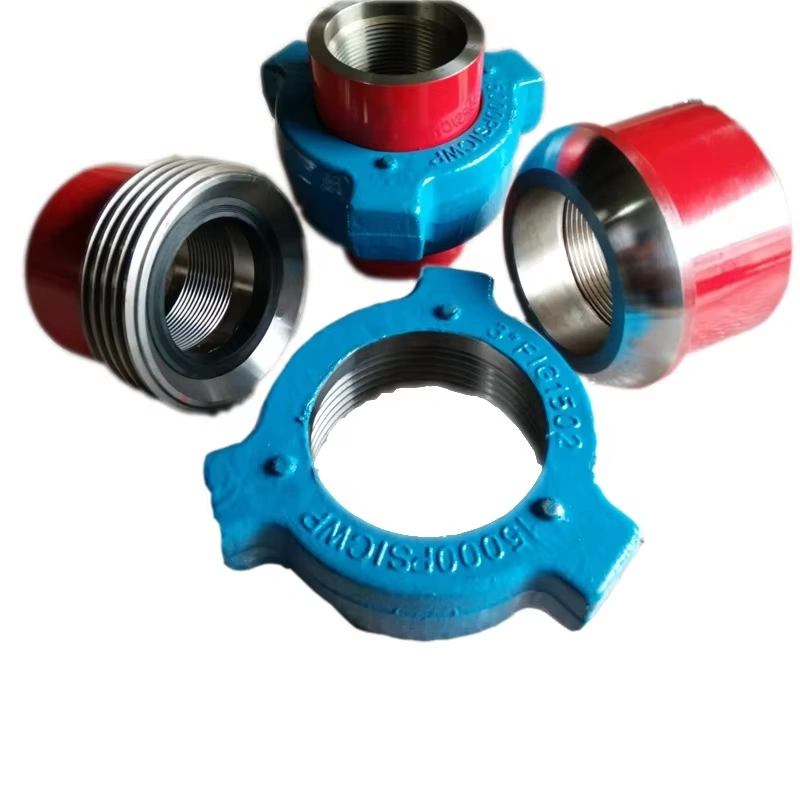
Understanding each hammer union part is critical for maintaining essential safety precautions in oilfield operations. You work with three main components:
| Part | Function |
|---|---|
| Male Sub | Connects to the female sub to form a pressure-tight seal. |
| Female Sub | Receives the male sub and helps create a secure connection. |
| Hammer Nut | Tightens the connection between the male and female subs to ensure sealing. |
Mastering these parts reduces failure risks and boosts safety. Studies show that improved knowledge of hammer union parts leads to a 35% increase in service life and a 149% boost in safety factors. Alienfrac delivers high-quality hammer unions engineered for demanding oilfield environments.
Key Takeaways
- Understand the three main hammer union parts: male sub, female sub, and hammer nut. Each plays a crucial role in creating secure, leak-proof connections.
- Regular inspections and maintenance of hammer unions are essential. Check for wear, corrosion, and proper sealing to ensure safety and reliability.
- Select the right hammer union based on pressure ratings and compatibility. Always verify color codes and markings to prevent assembly errors.
- Use proper torque specifications when tightening nuts. This prevents over-tightening or under-tightening, which can lead to failures.
- Prioritize preventative maintenance practices. Clean and store unions properly to extend their service life and maintain operational safety.
Main Hammer Union Parts
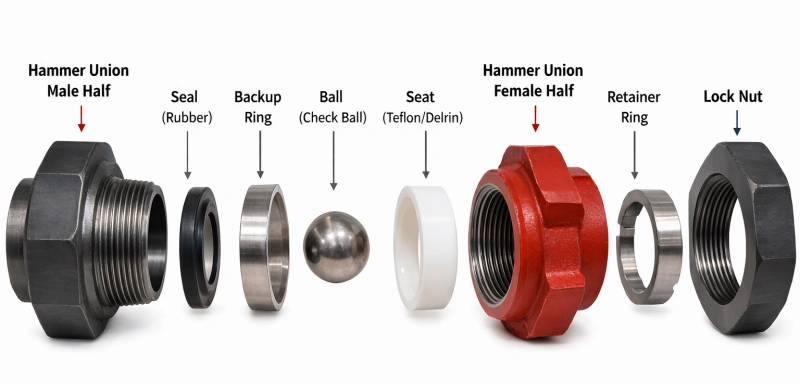
Male Sub
You will find the male sub as one of the primary hammer union parts. This component connects directly to the female sub, forming the backbone of the assembly. The male sub features a rugged design, often crafted from high-strength alloy steels like 4140, 4340, or AISI 4130.
These materials give the male sub exceptional tensile strength and toughness, which is essential for high-pressure piping systems. Specialized heat treatments, such as carburizing or nitriding, further enhance durability and resistance to corrosion and fatigue.
- The male sub provides:
- A precision-machined sealing surface for reliable, leak-resistant sealing characteristics.
- Compatibility with a variety of applications and sizes, supporting both standard and sour gas environments.
- Resistance to cyclic loading, which extends service life in demanding oilfield applications.
Alienfrac hammer unions use advanced manufacturing processes to ensure every male sub meets strict industry standards. You benefit from robust construction and consistent performance, even under extreme pressure.
Female Sub
The female sub receives the male sub and completes the connection. This part plays a critical role in maintaining the integrity of the hammer union assembly. Its design supports quick assembly and disassembly, which reduces downtime during installation and maintenance.
| Design Characteristic | Functional Role |
|---|---|
| Quick-Connect Design | Enables fast assembly and disassembly, saving valuable time in the field. |
| High-Pressure Containment | Maintains structural integrity under extreme pressures, preventing leaks. |
| Sealing Mechanisms | Uses internal sealing rings to ensure system integrity and prevent fluid escape. |
| Vibration Absorption | Reduces mechanical vibrations, extending the life of the connection. |
Alienfrac hammer unions feature female subs with precision sealing surfaces. This ensures uniform sealing performance across all batches and minimizes installation issues. You can select from a wide range of sizes to match your specific applications.
Nut
The nut, sometimes called the hammer nut, secures the male and female subs together. This component is vital for maintaining pressure integrity and preventing leaks in high-pressure piping systems.
You will notice that the nut is engineered for durability, typically made from materials such as 303 stainless steel, carbon steel, or Hastelloy C276. The design may include ACME-style threads for enhanced compatibility with different assembly requirements.
- Key features of the nut include:
- Ability to withstand a minimum service load of 3,000 lbs, ensuring reliability in tough applications.
- Application of compressive force to the sealing surfaces during tightening creates a tight, leak-proof joint.
- Stability under pressure, which is essential for safe operation.
When you tighten the nut, it compresses the seal assembly and locks the connection. Alienfrac hammer unions use CNC precision machining for nuts, which reduces deviation and guarantees long-term reliability.
Seals
Seals are the final critical components in hammer union parts. They ensure that the assembly remains leak-free, even under high pressure and vibration. Seals must withstand harsh chemicals, temperature extremes, and abrasive fluids found in oilfield applications.
| Industry | Contribution to Reliability and Longevity |
|---|---|
| Mining Operations | Prevent leakage in high-velocity lines and protect workers from hazardous spills. |
| Shipyard and Marine | Resist corrosion and prevent seawater ingress, supporting emission control. |
| Manufacturing Industry | Ensure system integrity, reduce emissions, and extend service intervals. |
Alienfrac selects seals compatible with a wide range of fluids and temperatures. This reduces seal degradation and lowers maintenance frequency. You can trust these seals to deliver consistent performance and extend the service life of your hammer unions.
Tip: Regular inspection and proper installation of all components, especially seals, help prevent common failure modes such as thread galling, misalignment, and material fatigue.
By understanding each of these hammer union parts and their roles, you can ensure safe, efficient, and reliable operation in a variety of applications. Alienfrac’s commitment to quality and precision engineering means you receive hammer unions that perform under the most demanding conditions.
Hammer Union Connections and Performance
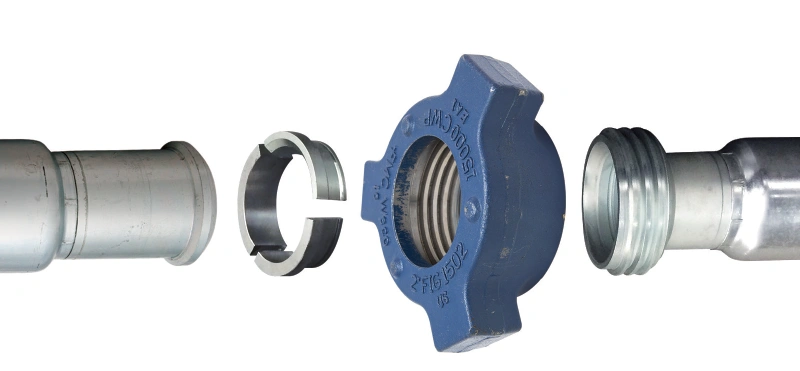
How Connections Work?
You create hammer union connections by following a series of precise steps. First, select the right hammer union for your application. This prevents leaks and equipment failures. Next, apply the correct torque to the nut. This ensures secure connections and reduces the risk of failure.
Always use personal protective equipment during assembly. Regular inspections help you identify damage or corrosion before issues arise. Proper alignment prevents premature wear and potential accidents.
| Step | Impact on Safety |
|---|---|
| Select the right hammer union | Prevents leaks and equipment failures |
| Apply correct torque | Ensures secure connections, reducing the risk of failure |
| Use personal protective equipment (PPE) | Protects personnel from injuries during assembly |
| Conduct regular inspections | Identifies damage or corrosion before they cause issues |
| Ensure proper alignment | Prevents premature wear and potential accidents |
Nuts, O-rings, and seals play a vital role in preventing failures. Nuts secure connections under pressure. O-rings and seals create leak-proof barriers, maintaining reliable pressure control. Material selection for O-rings and seals is crucial based on temperature and chemical exposure.
Tip: Proper torque specifications help you avoid over-tightening or under-tightening, which can lead to failures.
Pressure Ratings and Figures
Hammer unions handle high-pressure fluids in oilfield operations. You must understand pressure ratings to ensure safe and effective connections. Pressure ratings range from 1,000 to 20,000 psi. These ratings are determined through rigorous pressure testing.
Each union has a designated size and pressure code on the wing nut. This code is essential for proper mating and understanding pressure limits. Color-coded systems facilitate quick identification of unions for specific applications, reducing errors.
| Evidence Type | Description |
|---|---|
| Color-coded system | Facilitates quick identification of unions for specific applications, reducing errors. |
| Clear markings | Provide vital information such as size, pressure rating, and service type for accurate selection. |
Regular maintenance ensures safety and reliability in higher-pressure service. You must check markings and codes before assembly to confirm compatibility.
Alienfrac Hammer Union Advantages
Alienfrac hammer unions deliver fast and versatile connection solutions. You benefit from robust construction and precision-machined sealing surfaces. These features prevent leaks and ensure durability in high-pressure scenarios. Alienfrac products withstand extreme conditions and provide reliable pressure control.
You experience ease of assembly and disassembly, which reduces downtime. The unions resist corrosion and wear, extending service life. Alienfrac’s commitment to quality guarantees safe and effective connections for demanding oilfield environments.
Note: Alienfrac hammer unions are engineered for high-pressure scenarios, supporting your operations with superior pressure-handling capabilities.
Maintenance for Hammer Unions
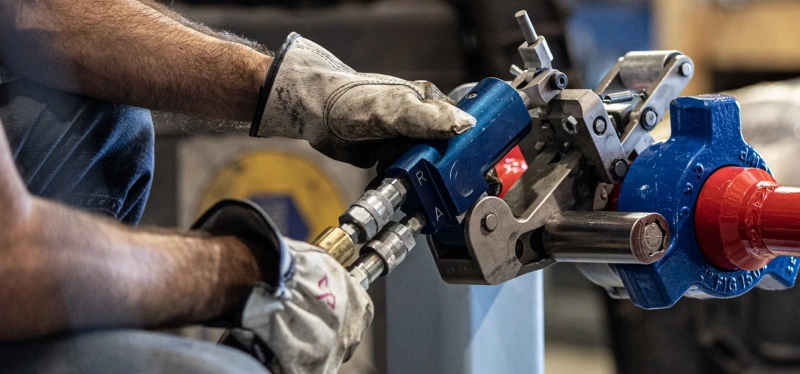
Inspection and Cleaning
You play a vital role in keeping hammer unions reliable through regular maintenance. Routine inspections help you spot early signs of wear, pitting, or thread damage. You should check for corrosion, misalignment, and any visible cracks.
Clean each union after use with a soft brush and a non-abrasive cleaner, focusing on O-ring grooves and sealing surfaces. This prevents debris from causing leaks or premature wear. Always use the correct thread sealants or anti-seize compounds during reassembly.
Train your team on installation techniques to avoid cross-threading or over-tightening. Document every installation, inspection, and maintenance activity for compliance and traceability. Inspect hammer unions at least every six months under normal conditions.
In harsh environments or after overpressure events, increase inspection frequency.
- Regularly inspect for wear, pitting, or thread damage.
- Clean with a soft brush and non-abrasive cleaner.
- Focus on O-ring grooves and sealing surfaces.
- Use proper thread sealants or anti-seize compounds.
- Train personnel on correct installation.
- Keep spare unions and seals available.
- Document all maintenance activities.
Regular inspections and proper sealing are crucial for the longevity and performance of hammer unions.
When to Replace Parts?
You must know when to replace hammer union parts to maintain safety and efficiency. Look for visible wear, persistent leaks, or difficulty achieving proper torque during installation. Cracks, corrosion, or deformation signal immediate replacement.
If you notice frequent disconnections, unusual vibrations, or changes in operational pressure, act quickly. Difficulty tightening unions or changes in flow rates also indicate the need for new parts. Routine inspections help you catch these issues early.
| Risk Area | Description |
|---|---|
| Safety Risks | Wear and tear can lead to hazardous conditions, including injuries and environmental disasters. |
| Operational Costs | Equipment failure increases costs and can cause long-term injuries for personnel. |
| Equipment Failure | Mismatched or damaged parts may cause pressurized line explosions, risking fatal injuries. |
| Environmental Impact | Equipment failure can release toxic fluids into the environment. |
Timely replacement of worn components supports safe operations and reduces downtime.
Tips for Longevity
You can extend the life of your hammer unions with preventative maintenance. Always follow proper assembly and maintenance procedures. Store unions in a clean, dry area to prevent corrosion. Use only compatible replacement parts to maintain system integrity.
Schedule routine inspections and cleaning as part of your maintenance plan. Keep detailed records of all maintenance activities for future reference. By prioritizing these steps, you ensure reliable performance and reduce the risk of unexpected failures.
Consistent maintenance practices help you achieve maximum service life and operational safety for your Alienfrac hammer unions.
Conclusion
You improve oilfield safety and efficiency when you understand each hammer union part and its function. Alienfrac hammer unions deliver reliable performance and help you prevent catastrophic failures.
- Always verify pressure ratings and color codes before installation.
- Never mix pressure classes unless approved by the manufacturer.
- Regular inspections and proper maintenance protect personnel and equipment.
You ensure optimal results by selecting high-quality unions and following best practices.
FAQ
What are hammer union parts, and why are they important?
You rely on hammer union parts to create safe and effective connections in high-pressure piping systems. These components provide leak-resistant sealing characteristics and support essential safety precautions during assembly and installation.
How do I select the right hammer union for my applications?
You choose hammer unions based on pressure ratings, sizes, and compatibility with high-pressure fluids. Always check color codes and markings to ensure proper assembly and maintenance for a variety of applications.
What maintenance steps help extend the life of hammer unions?
You perform routine inspections, clean sealing surfaces, and replace worn parts. Preventative maintenance and proper assembly and maintenance reduce risks and support reliable pressure control in higher-pressure service.
When should I replace hammer union components?
You replace components when you see visible wear, leaks, or difficulty during assembly. Immediate replacement ensures safety and prevents failures in high-pressure scenarios.
Can hammer unions handle quick assembly and disassembly?
You benefit from fast and versatile connection solutions. Hammer unions support quick assembly and disassembly, saving time and maintaining pressure-handling capabilities across a variety of applications.
