
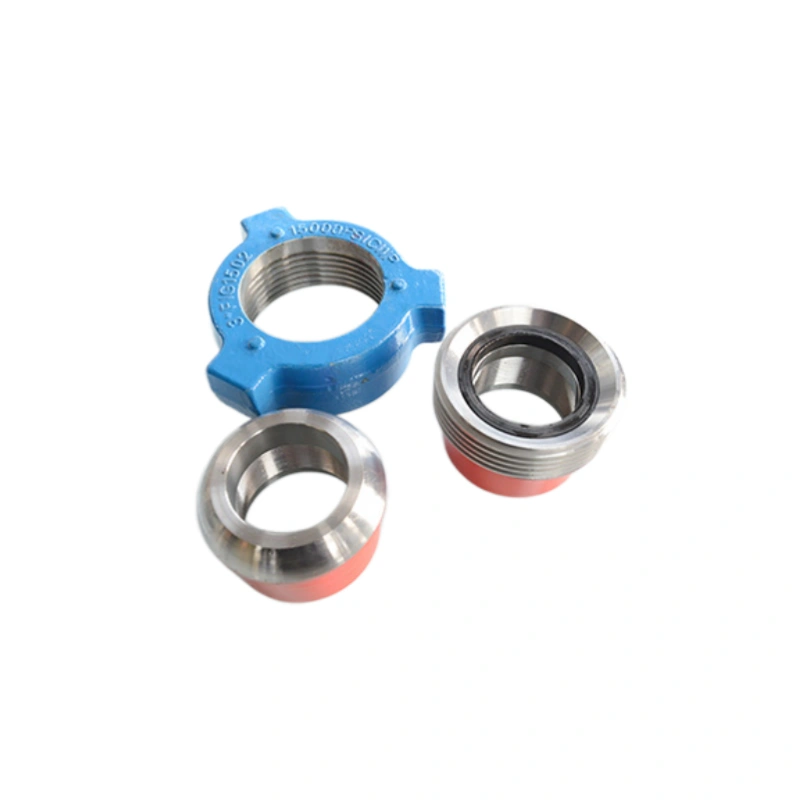
You encounter hammer union connection types every day in oilfield operations. These specialized pipe fittings let you assemble and disassemble lines quickly, even under high pressure.
Most oil and gas professionals prefer steel unions for their strength, while plastic unions work well where weight and corrosion are concerns.
| Feature | Hammer Unions | Other Pipe Connections |
|---|---|---|
| Design | Simple, robust | Often complex |
| Pressure Handling | High | Lower |
| Installation Ease | Quick | Tool-intensive |
Alienfrac stands out as a top supplier, offering reliable solutions that match your toughest field demands. You may find that some facts about these connections can truly change how you select and use them.
Key Takeaways
- Understand the four main hammer union types: threaded, butt weld, socket weld, and specialty. Each type serves specific applications in high-pressure environments.
- Always check the pressure rating and material compatibility before installation. This ensures safety and optimal performance in your operations.
- Regularly inspect hammer union seals for damage or wear. Early detection of issues can prevent leaks and operational failures.
- Choose the right hammer union based on your operational pressure, fluid compatibility, and environmental conditions. This maximizes efficiency and safety.
- Learn from common mistakes in the field, such as poor thread alignment and neglecting seal inspections. Avoiding these errors can save time and costs.
Hammer Union Connection Types Overview
Alienfrac delivers a comprehensive range of hammer union connection types that meet the rigorous demands of oilfield operations. You rely on these connections to maintain safety, efficiency, and reliability in high-pressure environments.
Understanding the different configurations helps you select the right solution for your specific needs.
The main hammer union connection types include threaded, butt weld, socket weld, and specialty unions. Each configuration offers unique benefits and serves distinct applications. The table below summarizes the differences and uses of these configurations:
| Connection Type | Description | Applications |
|---|---|---|
| Threaded Couplings | Use internal or external threads to join pipes, creating a strong connection. | Common in plumbing, HVAC, and smaller industrial applications where a secure connection is needed. |
| Butt-welded Couplings | Installed by welding pipe ends directly to the coupling for a high-strength joint. | Ideal for high-pressure systems and applications requiring durability and long-term integrity. |
| Socket-weld Couplings | Involve inserting a pipe into a recessed socket and welding around the joint. | Used in mechanical and high-pressure systems where alignment and pressure resistance are essential. |
| Specialty Hammer Unions | Engineered for unique industry challenges and high-pressure requirements. | Oil and gas, chemical processing, hydraulic fracturing, and other specialized applications. |
Threaded Hammer Unions
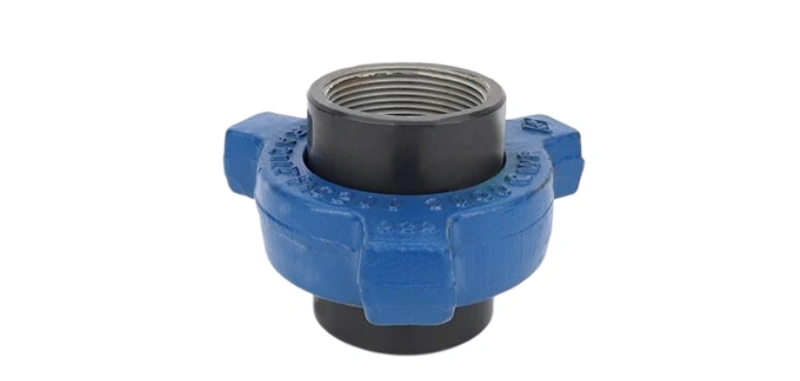
Threaded hammer union connection types offer quick assembly and disassembly, making them a popular choice for field operations where speed matters. You can select from a variety of pressure ratings, ranging from low-pressure (2,000–5,000 psi) to high-pressure (up to 20,000 psi).
These configurations use materials like stainless steel for corrosion resistance, alloy steels for strength, and coated options for added durability. You often find threaded unions in smaller-scale systems or where frequent maintenance is required.
Their versatility makes them suitable for a wide range of applications, but you must always match the pressure rating and material to your operational needs.
Tip: Always check the pressure rating and material compatibility before installation to ensure safety and performance.
Butt Weld Hammer Unions
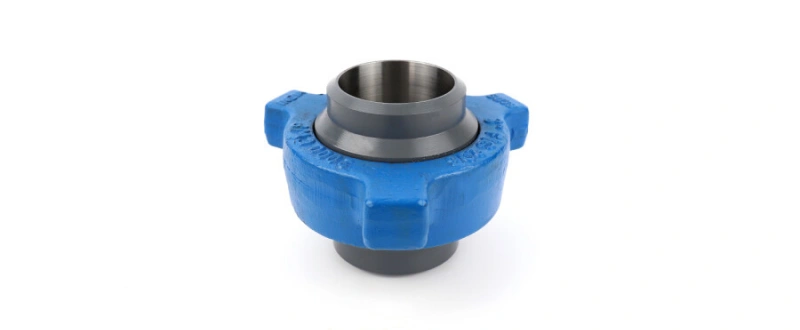
Butt weld hammer union connection types provide a permanent, full-penetration weld that delivers unmatched strength and leak resistance. You benefit from seamless joints that eliminate potential leak paths, making these configurations ideal for extreme pressure and temperature conditions.
The table below highlights how butt weld unions compare to other connection types:
| Feature | Butt Weld Hammer Unions | Other Connection Types |
|---|---|---|
| Connection Type | Permanent, full-penetration butt weld | Threaded or flanged connections |
| Leak Resistance | High, seamless joint eliminates leak paths | Varies, potential for leaks |
| Pressure Handling | Engineered for extreme pressure conditions | Limited by design |
| Temperature and Vibration Tolerance | Maintains integrity under extreme conditions | Varies |
| Reusability | Robust and reusable | Often single-use or less durable |
You choose butt weld configurations when you need long-term integrity and minimal maintenance. These unions excel in critical systems where failure is not an option.
Socket Weld Hammer Unions
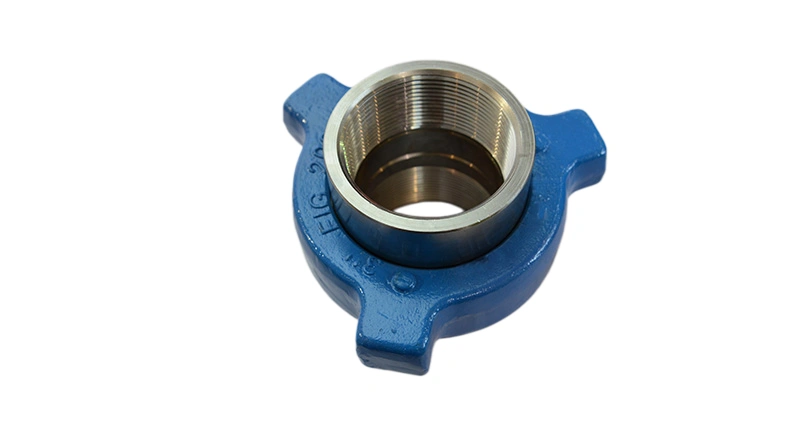
Socket weld hammer union connection types combine ease of installation with high-pressure performance. You insert the pipe into a recessed socket and weld around the joint, creating a strong and reliable connection.
These configurations require high-quality materials such as carbon steel or stainless steel to ensure durability. You must follow strict engineering standards like API and ASME for safety and reliability.
| Category | Details |
|---|---|
| Material Quality | High-quality materials like carbon steel and stainless steel are essential for durability. |
| Design and Engineering Standards | Compliance with API and ASME standards ensures safety and reliability. |
| Welding Technique | Proper welding techniques are crucial for structural integrity and preventing failures. |
| Pressure and Temperature Rating | Unions must be rated for specific conditions to ensure performance and safety. |
| Maintenance and Inspection | Regular inspections and maintenance are vital for longevity and preventing leaks. |
| Environmental Factors | External conditions can significantly affect performance, requiring careful handling and support. |
You often select socket weld configurations for mechanical and high-pressure systems where precise alignment and pressure resistance are essential. Regular inspection and maintenance help you maximize the lifespan of these unions.
Specialty Hammer Unions
Specialty hammer union connection types address unique challenges in industries such as oil and gas, chemical processing, and hydraulic fracturing. You can choose from configurations like Fig 100 for lower pressure, Fig 200 for medium pressure, and Fig 206 for high-pressure applications.
These types deliver high-pressure connections, temperature tolerance, and material compatibility for demanding environments.
- Fig 100: Commonly used for lower-pressure applications.
- Fig 200: Designed for medium-pressure applications, providing a reliable connection.
- Fig 206: Suitable for high-pressure applications, ensuring safety and efficiency.
Specialty hammer union connection types offer quick-disconnect capability, which gives you operational agility in dynamic environments. In hydraulic fracturing, these configurations withstand extreme pressures and vibrations, ensuring both safety and flexibility.
Alienfrac’s range of specialty unions ensures you always have the right solution for your most challenging applications.
Note: Selecting the correct hammer union connection types and configurations ensures optimal performance and safety in every operation.
Surprising Facts About Hammer Union Connections
Strengths and Limitations
You may think all hammer union types perform the same, but each offers unique strengths and limitations that impact your operations. The table below highlights how different hammer union types compare in real-world applications:
| Hammer Union Type | Advantages | Limitations |
|---|---|---|
| Red Band | Cost-effective for low-pressure systems, Easy to install and remove, Lightweight and compact design | Limited to low-pressure environments, not suitable for high-stress or continuous operation, Reduced durability under extreme temperatures |
| Yellow Band | Rated for moderate pressures, High versatility, Resistant to vibration and thermal cycling | Not suitable for ultra-high-pressure environments, may require periodic inspection, less robust than blue band in extreme conditions |
| Green Band | Rated for high-pressure systems, Superior sealing performance, and durable construction | Higher cost, requires proper torque and alignment, Heavier and more complex to handle |
| Blue Band | Maximum pressure rating, Exceptional performance in extreme conditions, Superior fatigue and corrosion resistance | Premium pricing requires skilled installation. Overkill for low or medium-pressure applications |
You gain exceptional durability and positive sealing with green and blue band hammer union types. These unions handle high-pressure services and deliver reliable connections even under cyclic loading. You also benefit from rapid connect and disconnect features, which reduce downtime and boost efficiency.
Compatibility Issues
You must pay close attention to compatibility when selecting hammer union connections. Mismatched thread sizes or flange dimensions can cause leaks and misalignments. Material compatibility also plays a critical role. If you combine different materials, you risk premature wear or failure.
Always test compatibility in field conditions before final installation.
- Assess material compatibility to prevent leaks and misalignments.
- Test connections for performance in your specific environment.
- Select materials based on environmental factors to avoid early failure.
- Watch for mismatched threads or flanges, which can create operational problems.
Alienfrac’s hammer union seals use high-quality materials and precision engineering. This ensures positive sealing and long-term reliability, even when you face challenging compatibility scenarios.
Safety and Maintenance
You protect your team and equipment by following strict safety and maintenance practices for hammer union connections. Regular inspection of hammer union seals helps you spot cracks, abrasions, or leaks before they become hazards.
Use proper torque tools during assembly to avoid over-tightening or under-tightening. Store unused hoses and unions in a cool, dry place to extend their lifespan.
- Inspect hammer union seals for damage or wear at every maintenance interval.
- Replace hoses and seals according to manufacturer recommendations or after exposure to extreme conditions.
- Apply anti-galling lubricants to threads and use corrosion-resistant materials for added protection.
- Train your team on safe handling, installation, and emergency procedures for high-pressure services.
Alienfrac’s hammer union products meet international certifications, including API, DNV MED, CCS, and ABS. These certifications guarantee that you receive connections designed for safety, positive sealing, and long-term performance in demanding oilfield environments.
Choosing the Right Hammer Union Type
Selection Criteria
You must match the hammer union to your application for safe and efficient operations. Start by reviewing the main selection criteria for hammer union connection types. The table below summarizes the most important factors:
| Selection Criteria | Description |
|---|---|
| Operational Pressure Requirements | Choose unions that meet or exceed your system’s maximum pressure, with a safety margin of at least 25%. |
| Ease of Connection and Disconnection | Quick-connect designs help you save time during frequent maintenance or rapid line changes. |
| Fluid and Chemical Compatibility | Select materials based on the fluid type—carbon steel for non-corrosive, stainless steel for corrosive applications. |
| Environmental and Operating Conditions | Consider temperature extremes, vibration, and mechanical stress in your application. |
| Design Complexity and Maintenance | Balance durability with easy maintenance for long-term efficiency. |
You must also consider environmental factors. Salty air, high humidity, or temperature swings can affect performance. Choose corrosion-resistant grades for marine or humid environments. Select materials that withstand temperature changes to keep your equipment reliable and safe.
Alienfrac offers a wide range of hammer union sizes and configurations. You can find tailored solutions for every specific application, from drilling to fracturing. Their color-coded system and clear markings help you avoid confusion and select the right union for your applications.
Tip: Always check the compatibility of materials and pressure ratings before you mix hammer union configurations in your system.
Common Mistakes
You can avoid costly errors by learning from common mistakes in the field:
- Choosing the wrong size can cause leaks and system failure.
- Poor thread alignment leads to thread damage and leaks.
- Neglecting seal inspection results in operational failures.
- Over-tightening damages threads and seals, creating leaks.
- Ignoring pressure ratings puts safety and equipment at risk.
You should always use compatible seals and inspect them for cuts or deformation before installation. Clean all sealing surfaces to prevent leaks. Alienfrac’s unions feature clear markings and a color-coded system, making it easy to select the right product for your applications.
Remember, the right hammer union connection type ensures safety, reliability, and efficiency for every application.
Conclusion
You have seen that hammer union connection types—threaded, butt weld, socket weld, and specialty—each serve a unique purpose in high-pressure environments. Their easy installation and robust materials simplify your workflow and boost safety.
Surprising facts, like the importance of material selection and sealing mechanisms, help you make better choices for your operation. Use this quick checklist for selection:
- Check the pressure rating and size
- Match the material to your fluid or gas
- Inspect threads and seals regularly
Choose Alienfrac for reliable, certified hammer union solutions that keep your team safe and efficient.
FAQ
What are hammer union connection types used for?
You use hammer union connection types to connect pipes and hoses in high-pressure oilfield operations. These unions provide secure, leak-proof joints for drilling, cementing, and fracturing applications.
How do I choose the right hammer union for my application?
You should check the pressure rating, size, and material compatibility. Always match the union to your system’s requirements. Alienfrac offers color-coded options for easy identification.
How often should I inspect hammer unions?
You should inspect hammer unions before each use and during regular maintenance intervals. Look for signs of wear, cracks, or leaks to ensure safe operation.
Are Alienfrac hammer unions certified for safety?
Yes! Alienfrac hammer unions meet international standards, including API, DNV MED, CCS, and ABS. You can trust their quality and reliability in demanding environments.
