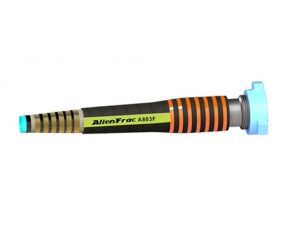
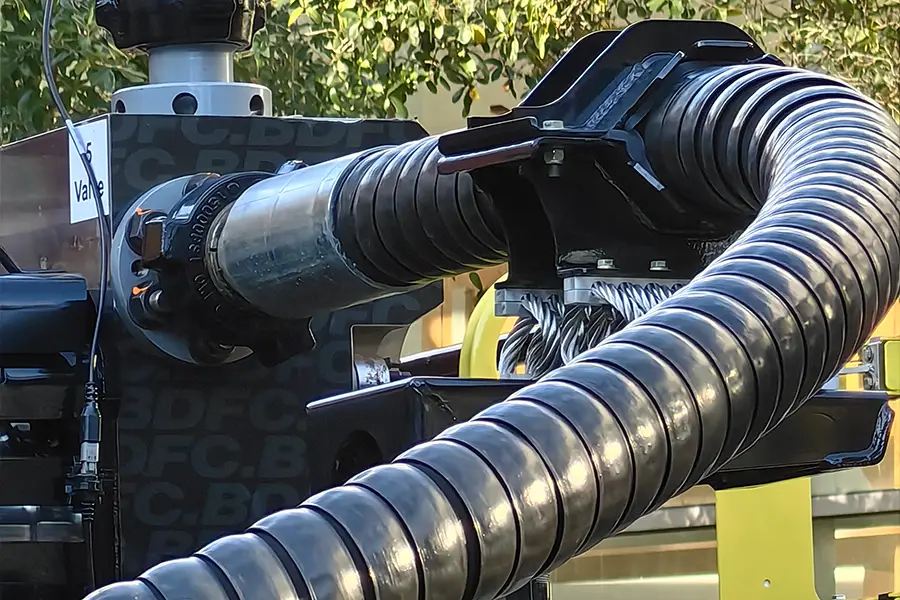
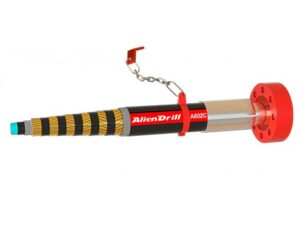
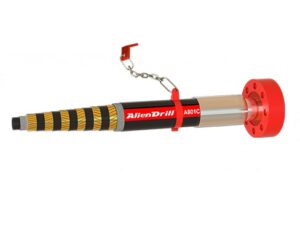
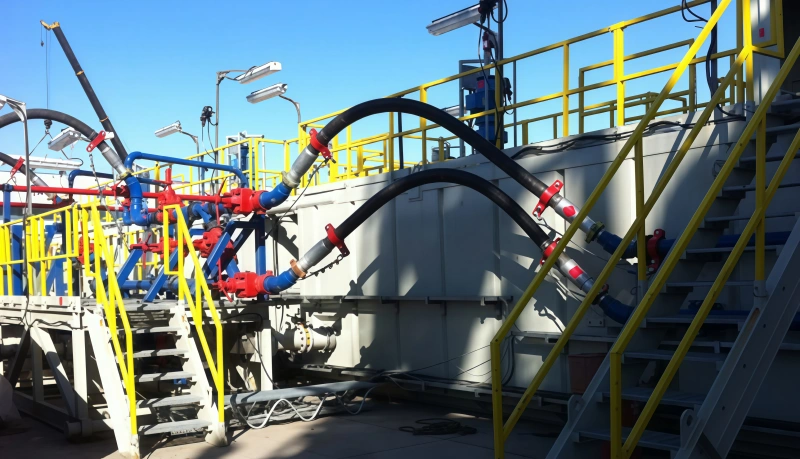
AlienFrac frac hoses handle high pressure and demanding fracking conditions. We make them strong, flexible, and reliable. Request your frac hose quote from AlienFrac today and get manufacturer-grade quality.
Designed for moving slickwater fluids efficiently.
Proppant Hose
Specialized for carrying sand or proppant mixtures.
Chemical Injection Hose
Used for transferring acids or chemical additives safely.
Flowline Hose
Flexible hoses replacing rigid flowlines for fluid transfer.
Composite Frac Hose
Reinforced with synthetic or wire layers for extra durability.
Advanced Frac Hose & Solutions
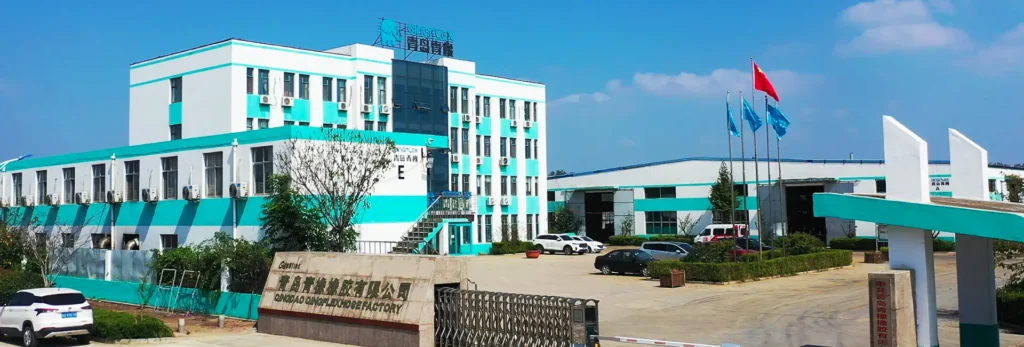
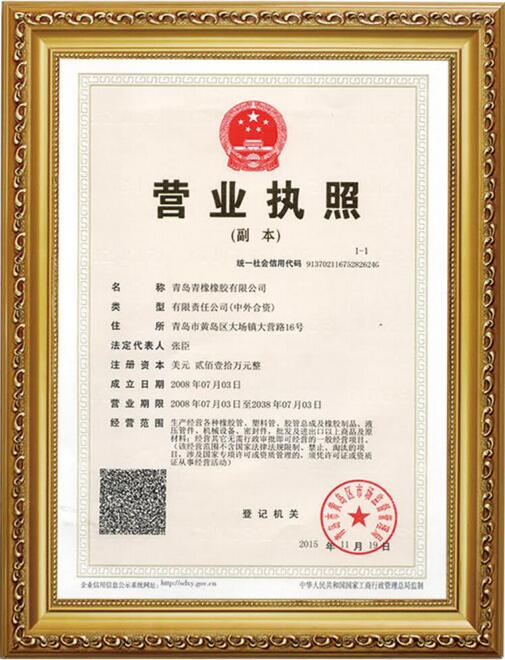
Qingdao Qingflex Hose Factory, founded in 2008, boasts a formidable production capacity and focuses on R&D and production of built-in and crimped high-pressure oilfield hoses.
With cutting-edge technology and modern machinery, we manufacture AllienDrill hoses, including API 7K Cement Hose, Rotary Drilling and Vibrator Hose, API 16C Choke and Kill Hose, and API 16D BOP Control Hose, powering oilfields worldwide.
Why Choose QingFlex as Your Frac Hoses Manufacturer
Advanced Manufacturing Equipment
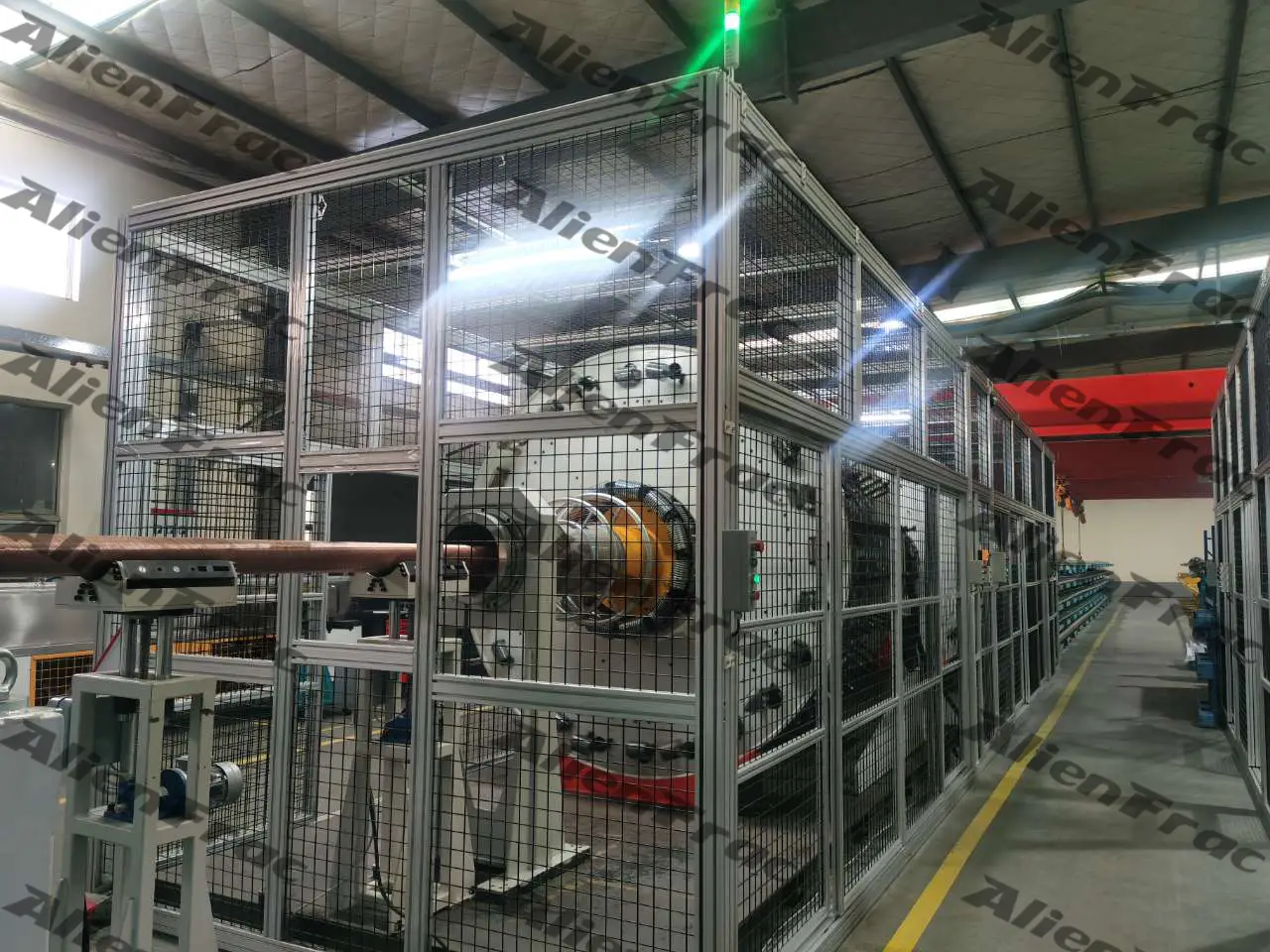
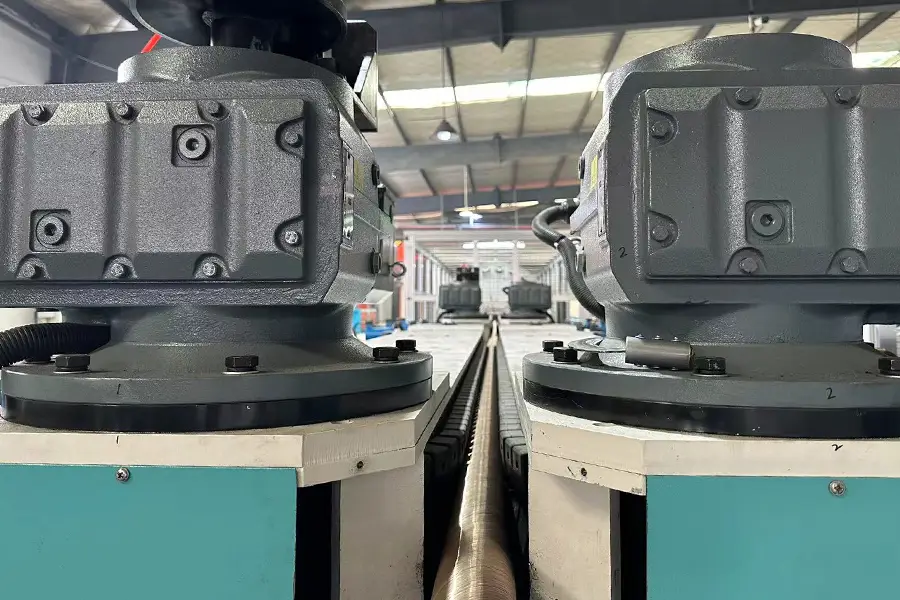
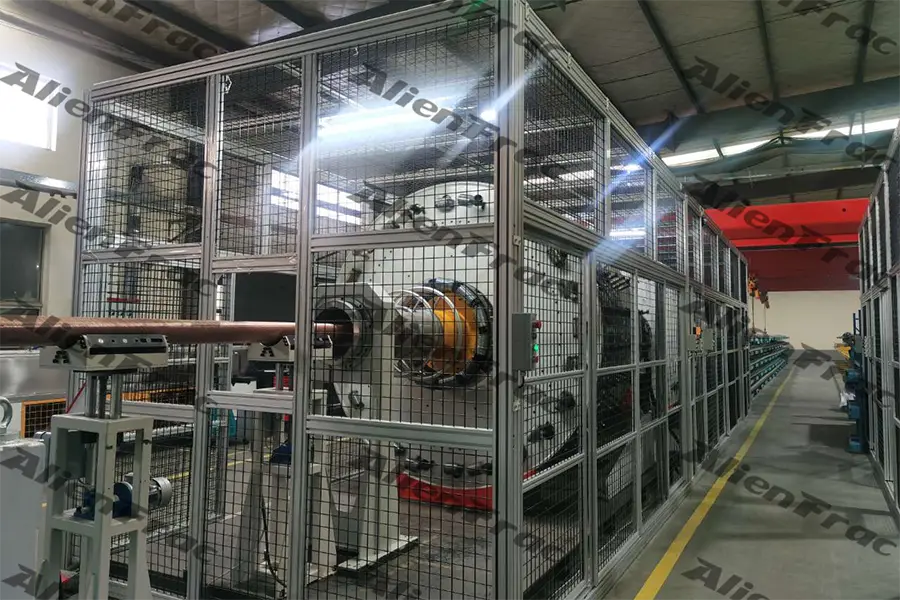
Efficient German and American weaving, winding and spiral machines, UNIFLEX crimping, cooling system, innovative large-scale hose machines, industry-leading.
High Production Capacities
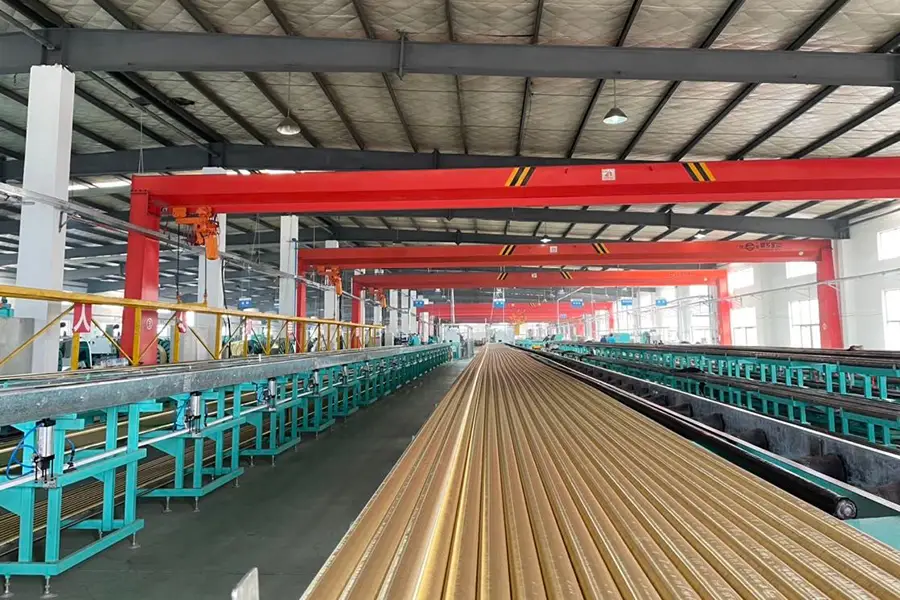
Our factory boasts extremely high production capacities, manufacturing a range of hoses, including large-caliber wire-wrapped oil drilling hoses at 1000 meters per day and hydraulic hoses at 120,000 meters per day.
Reliable Quality
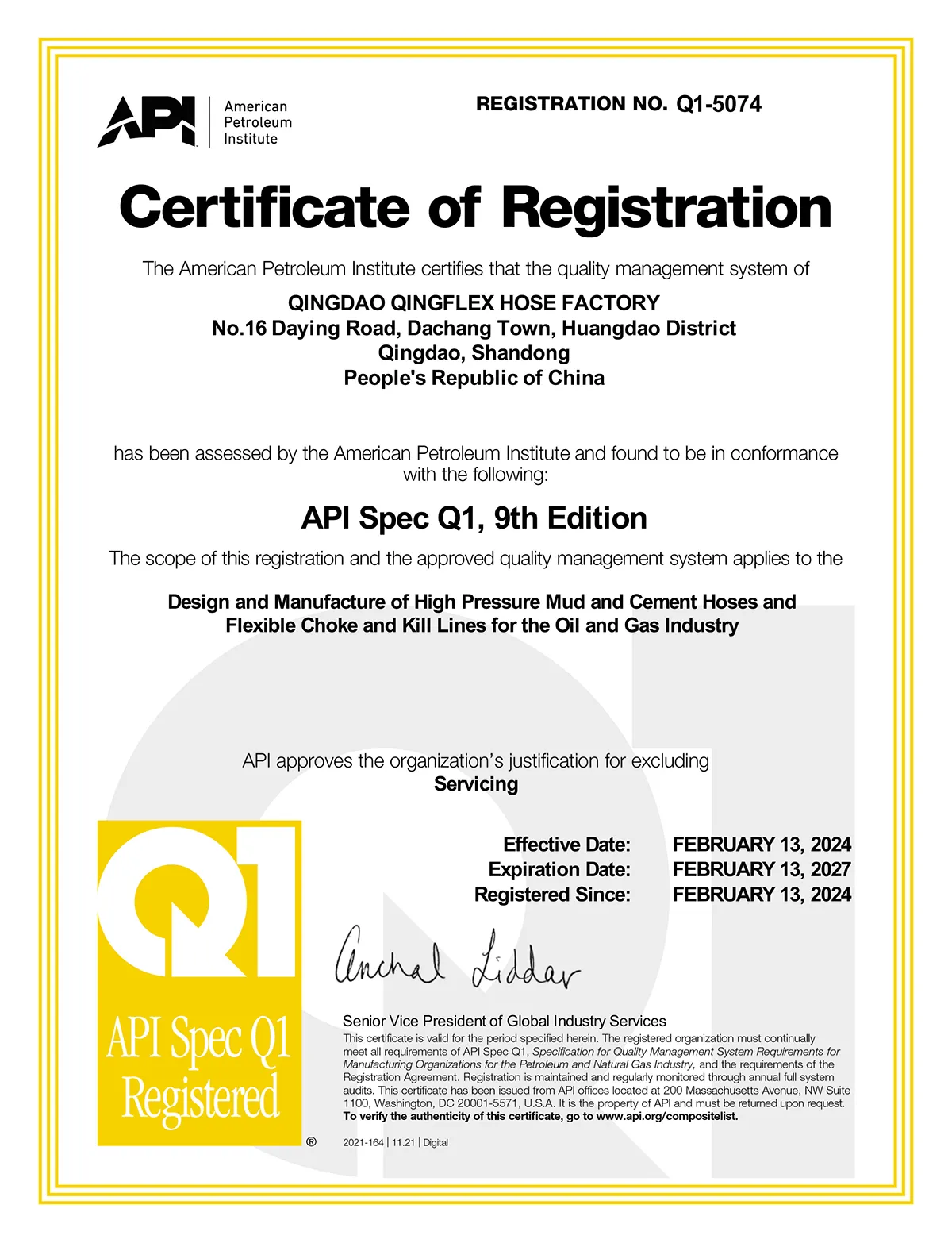
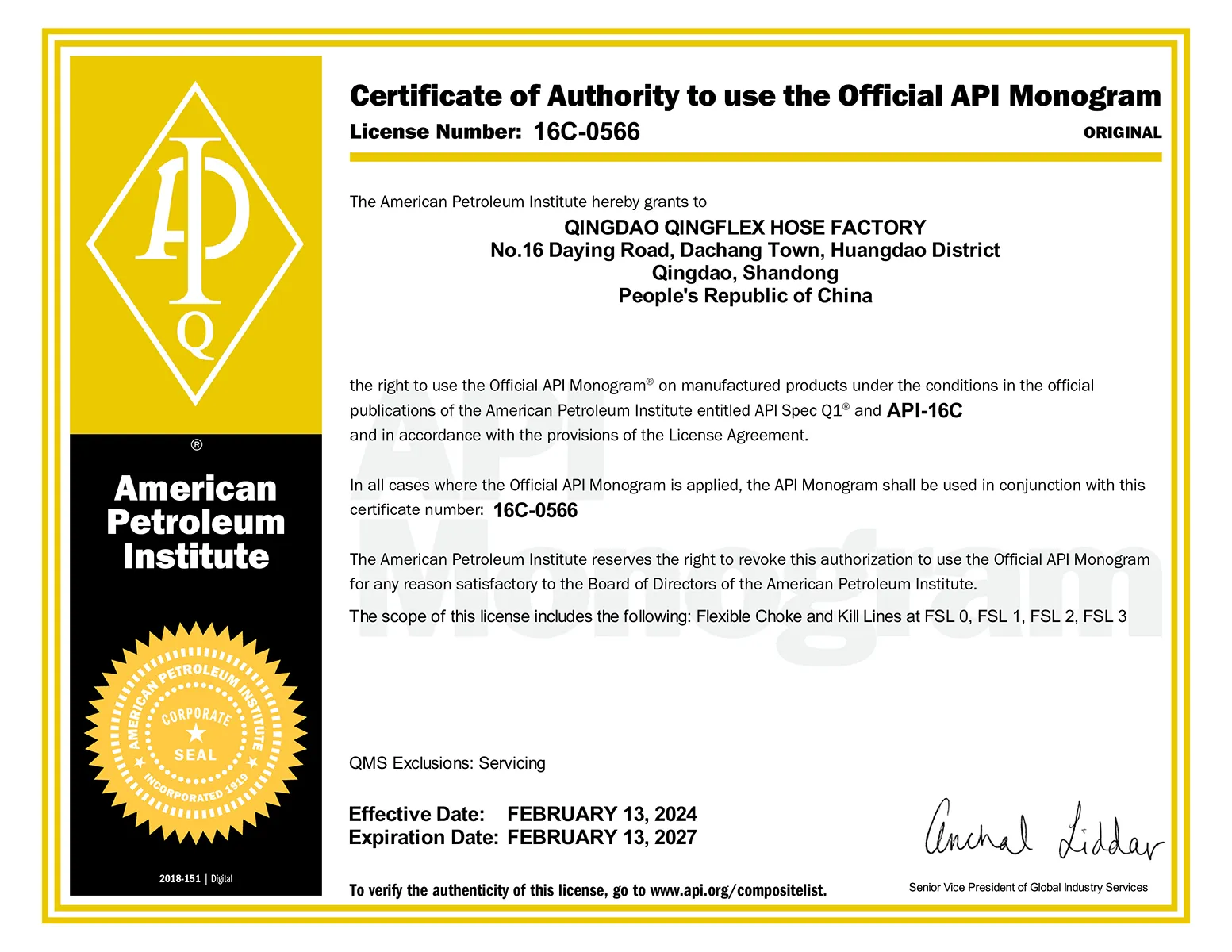
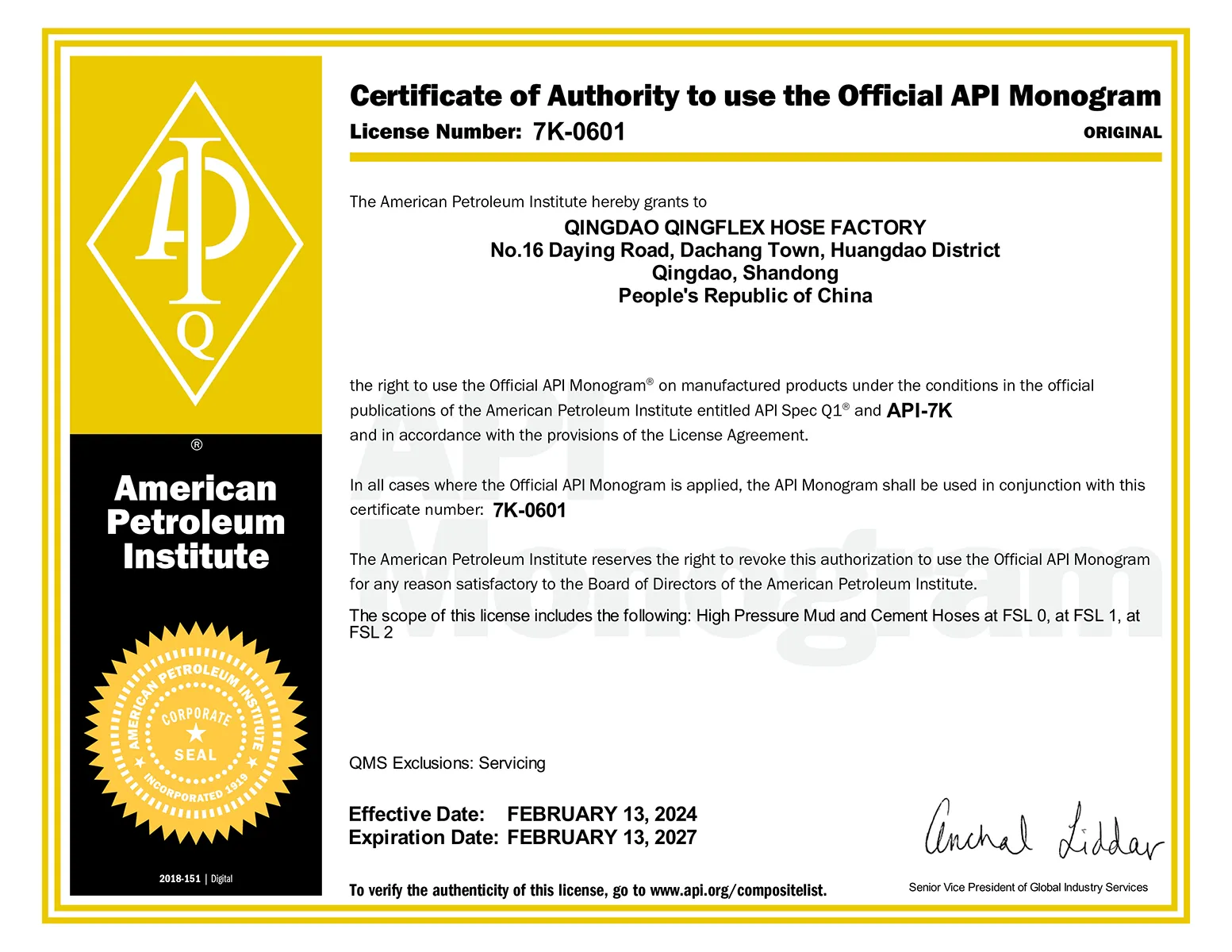
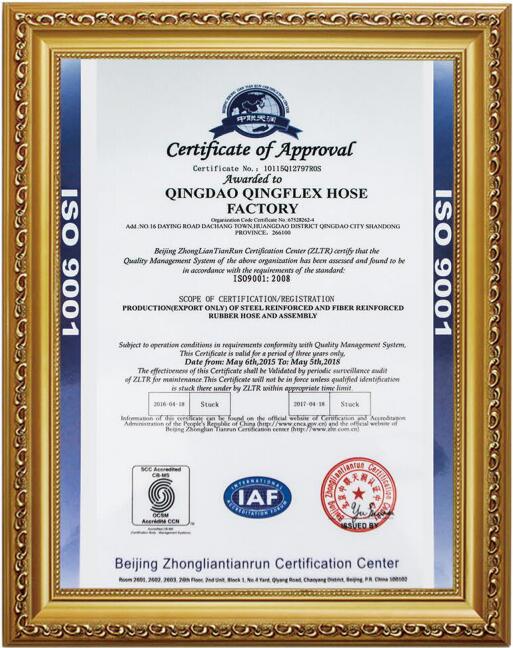
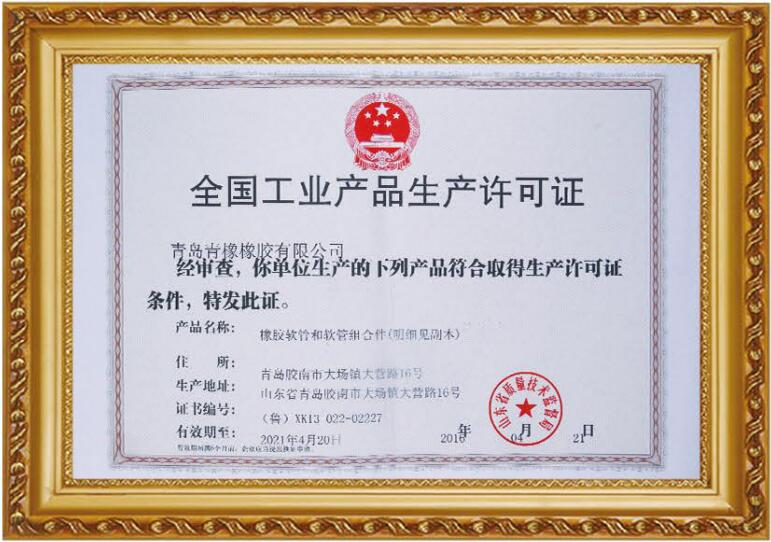
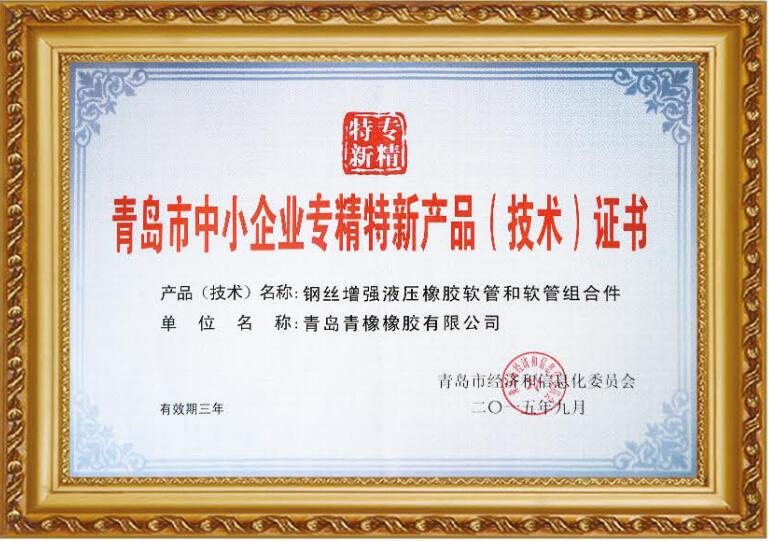
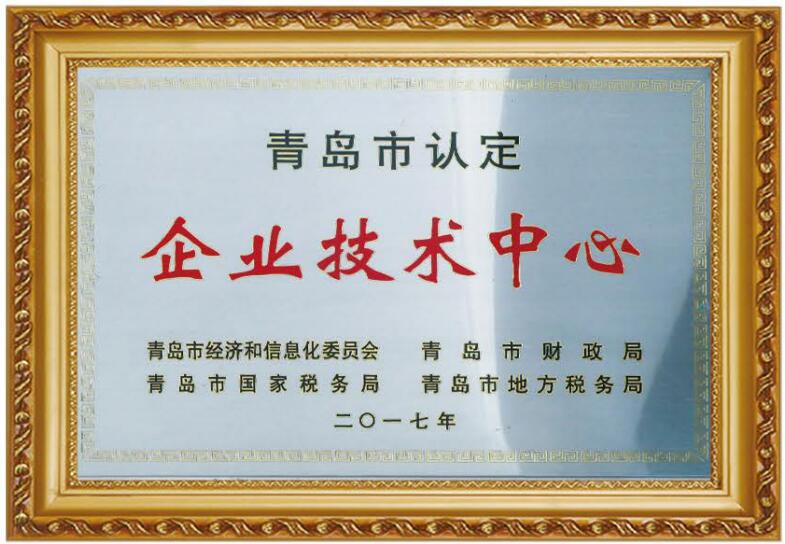
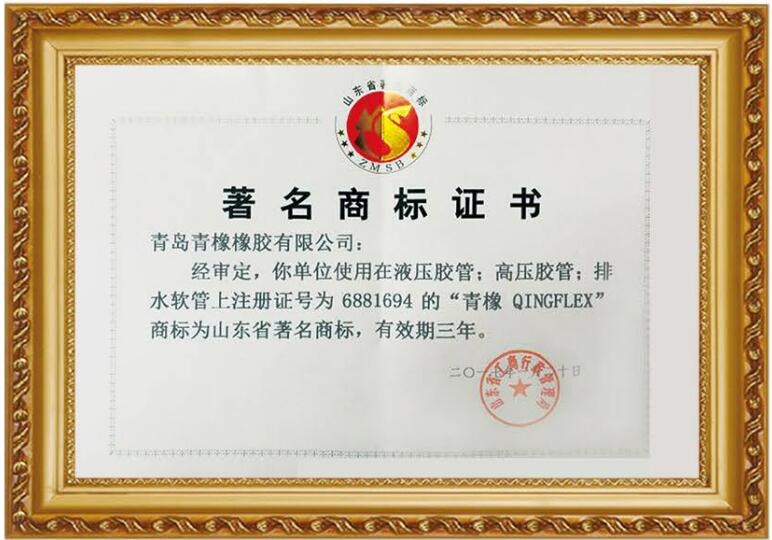
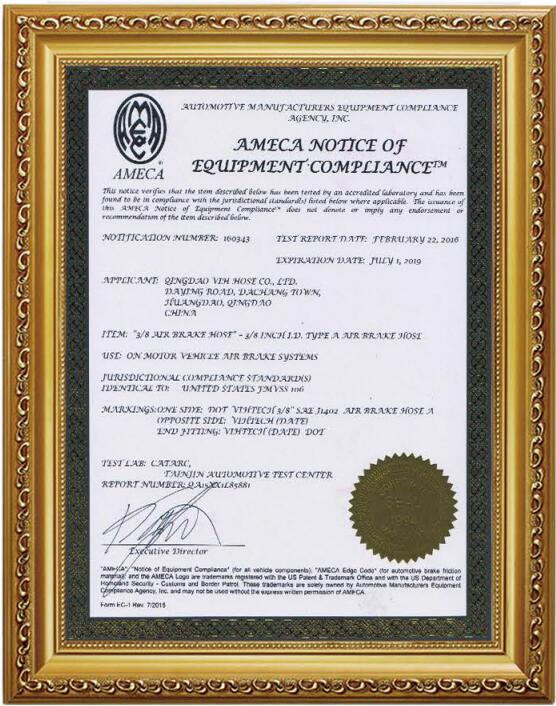
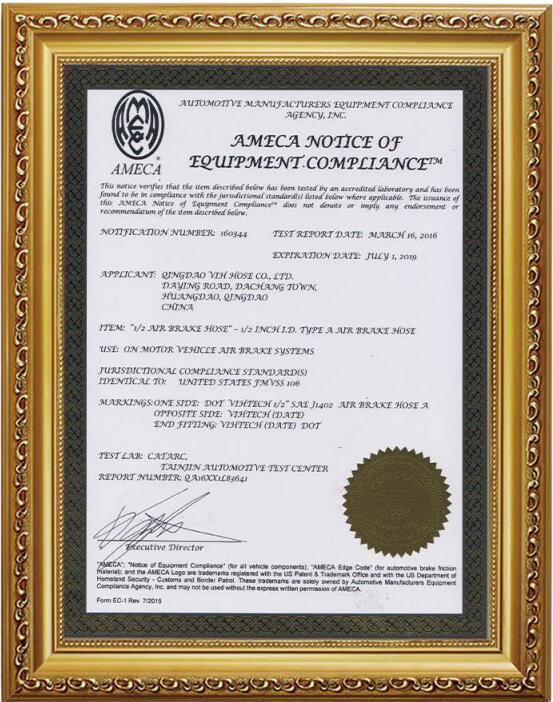
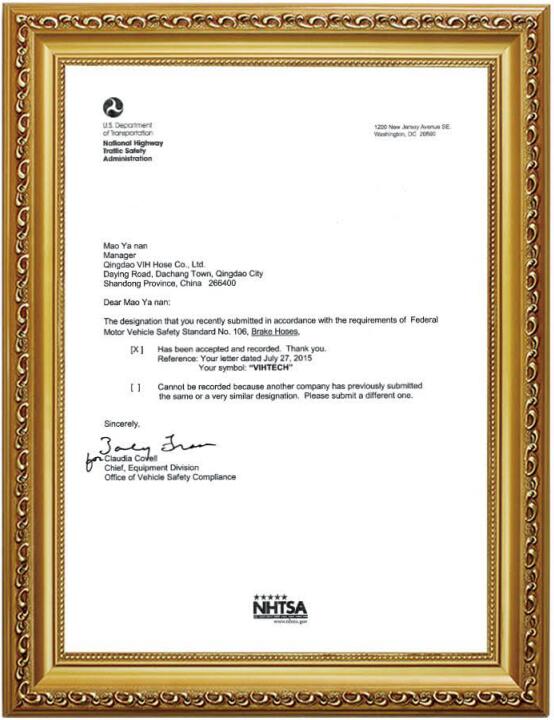
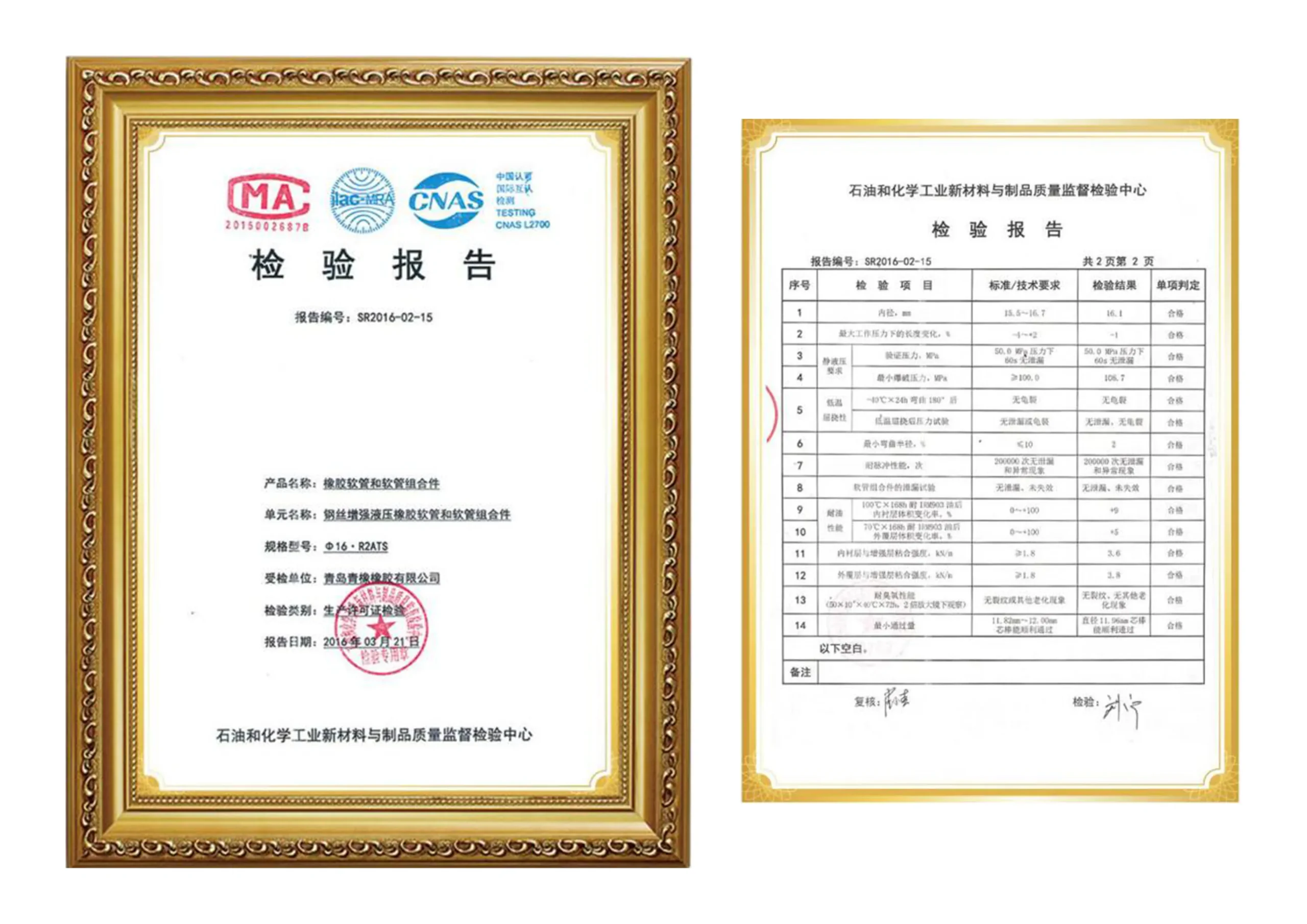
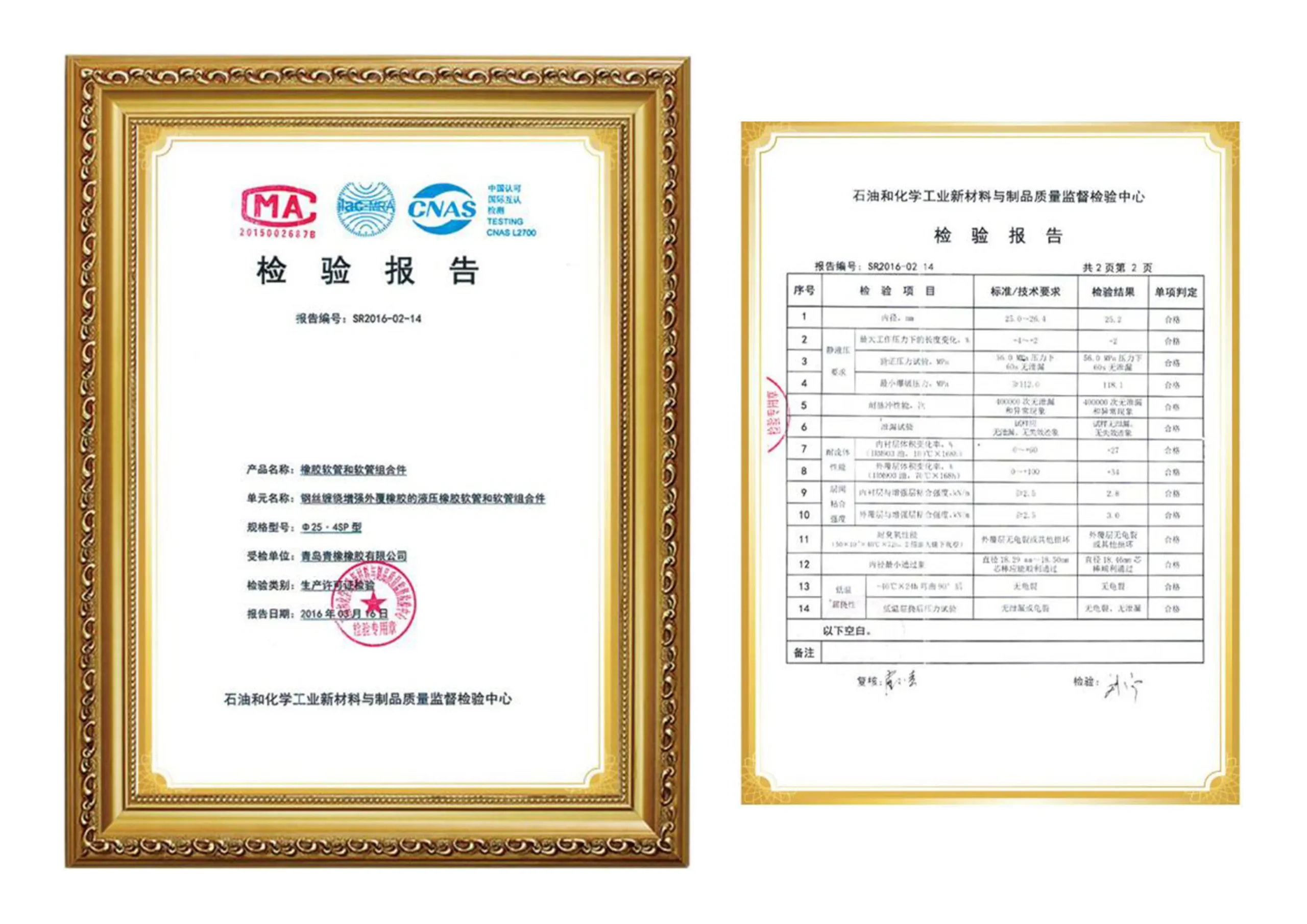
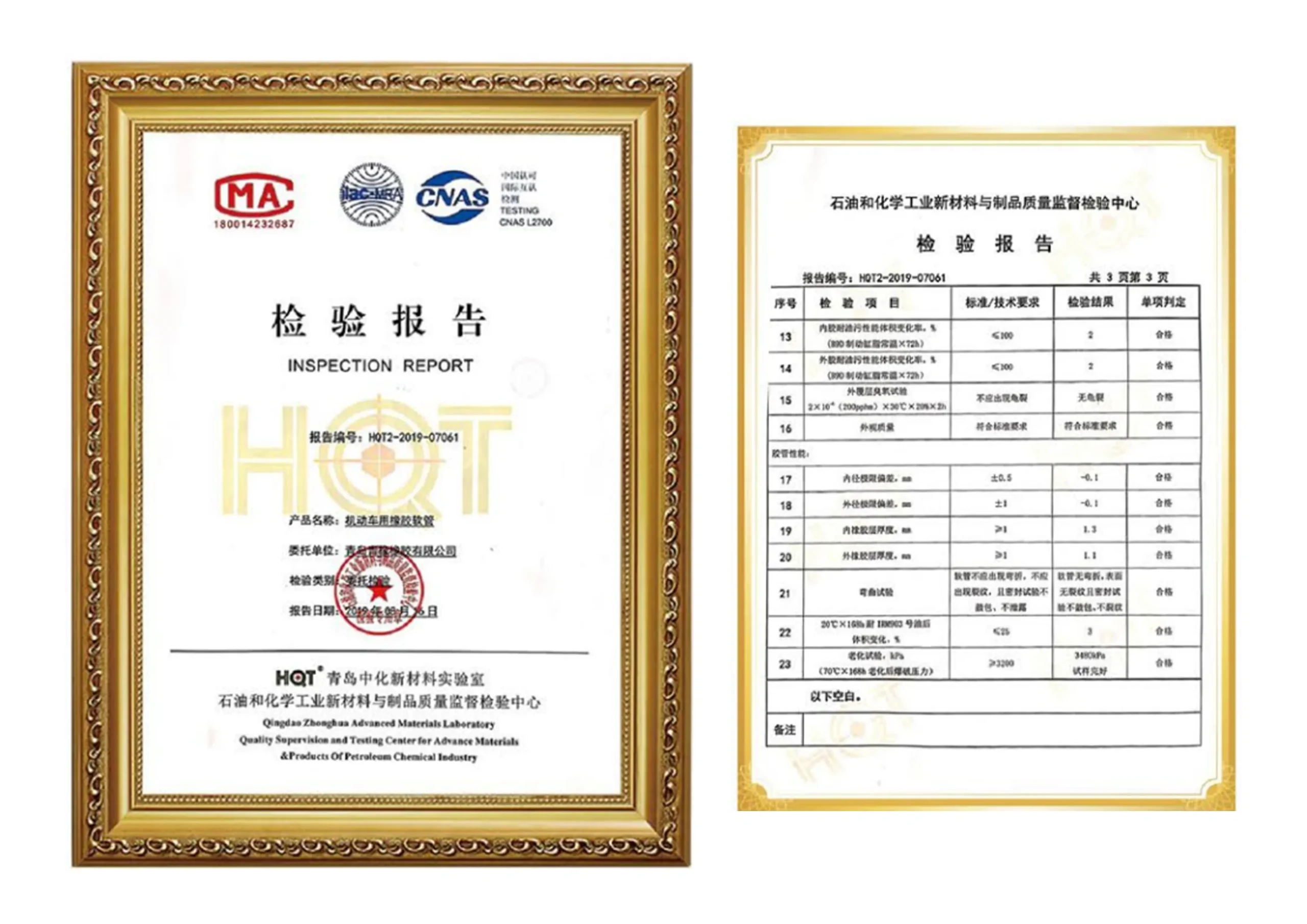
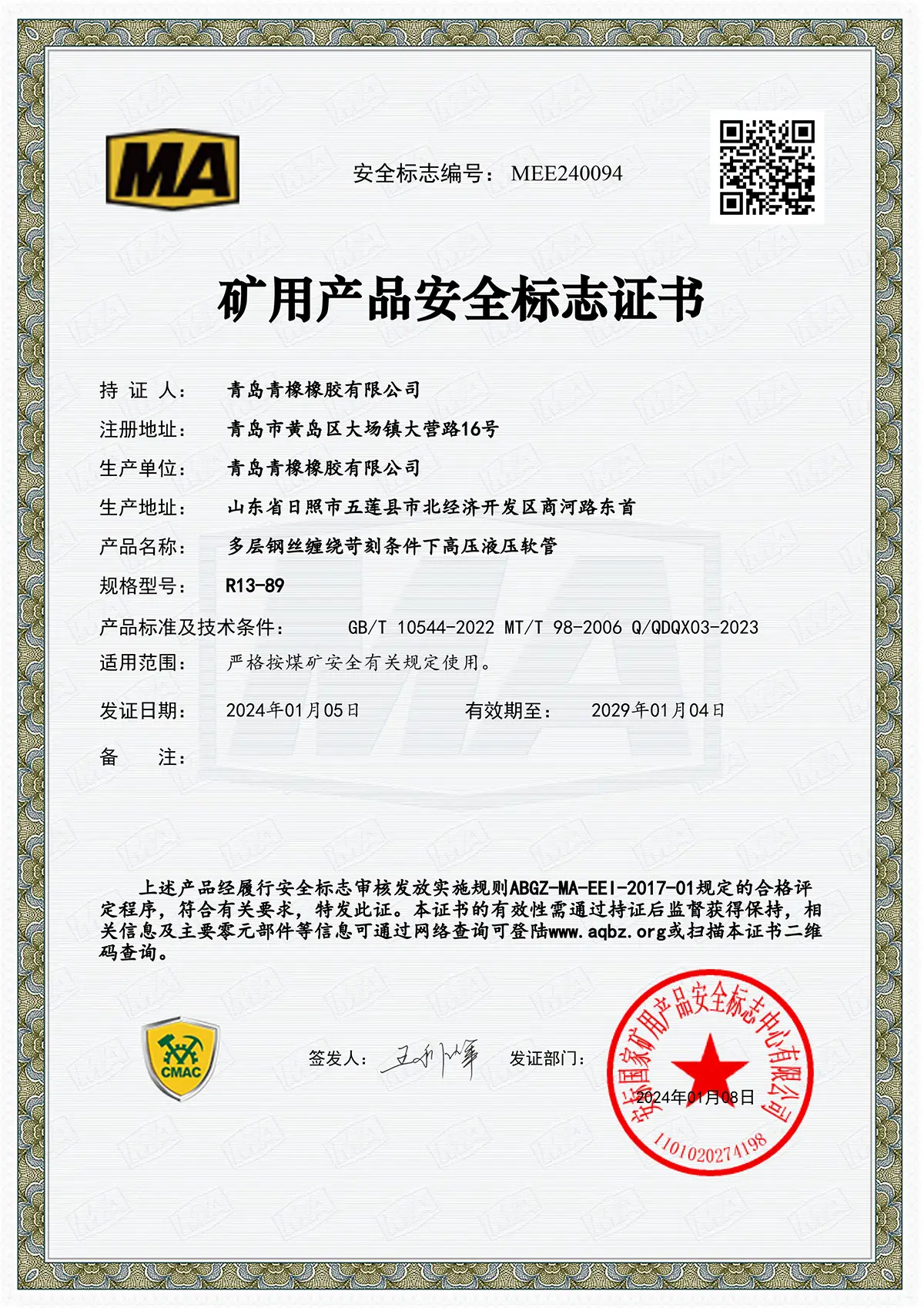
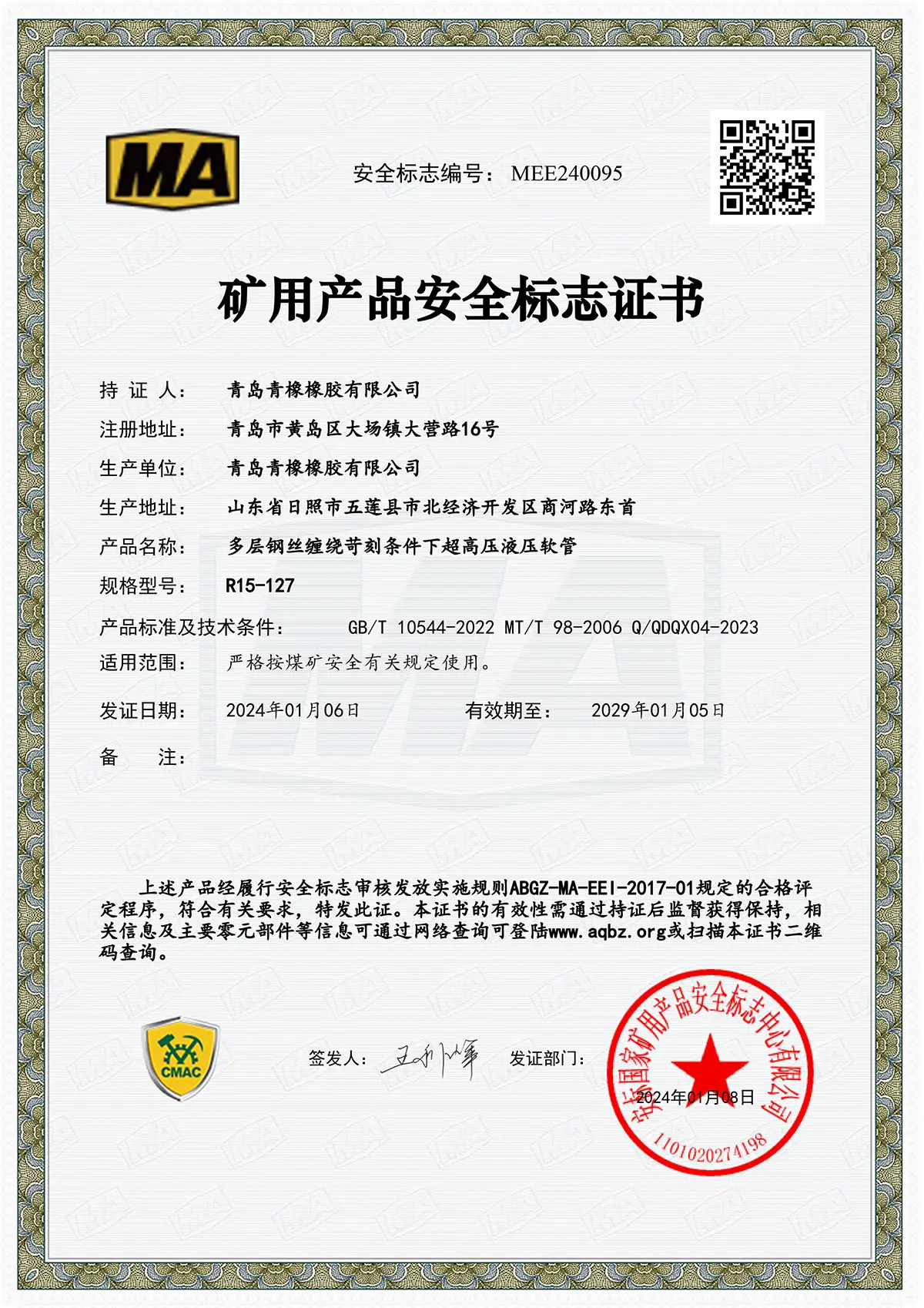
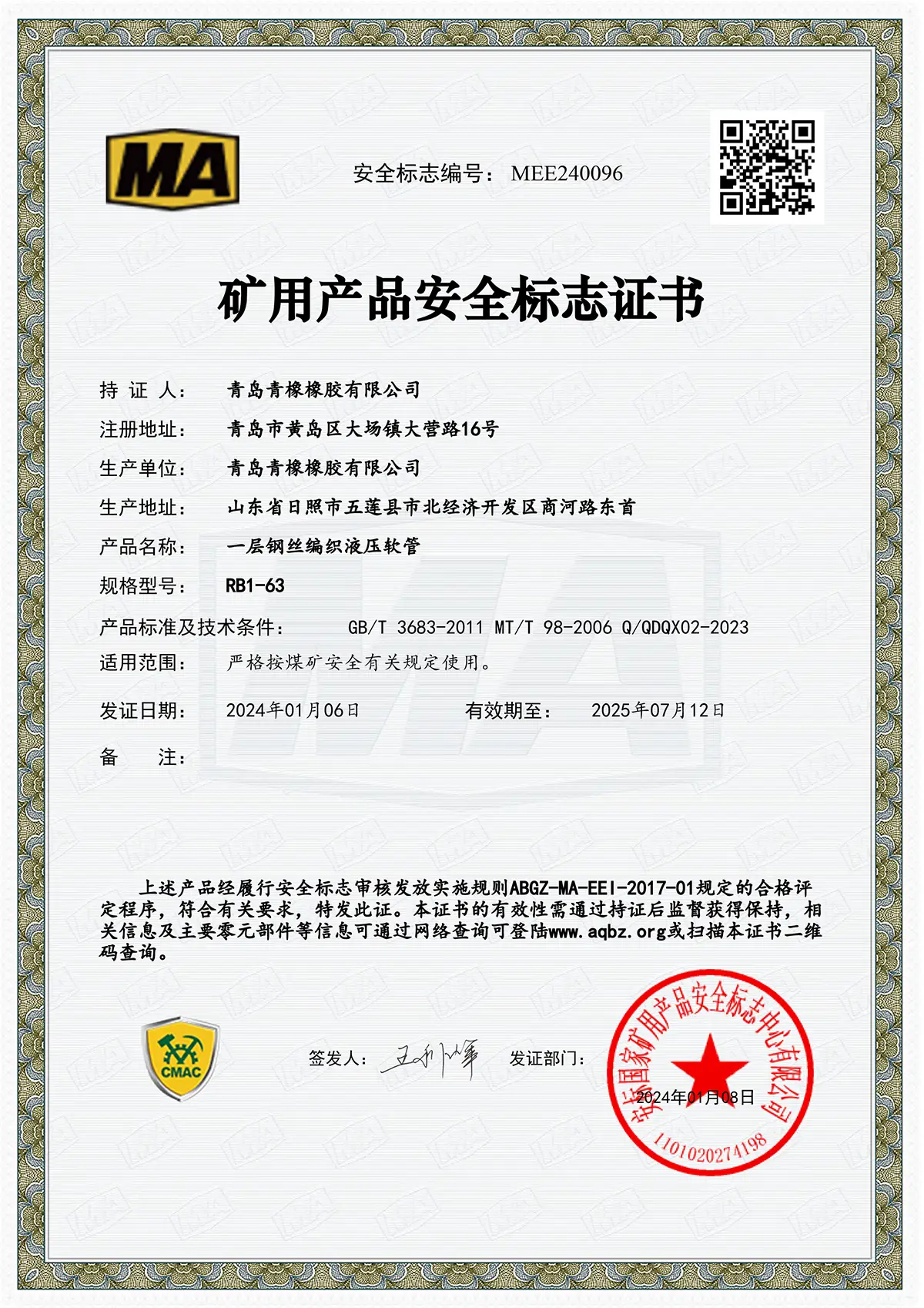
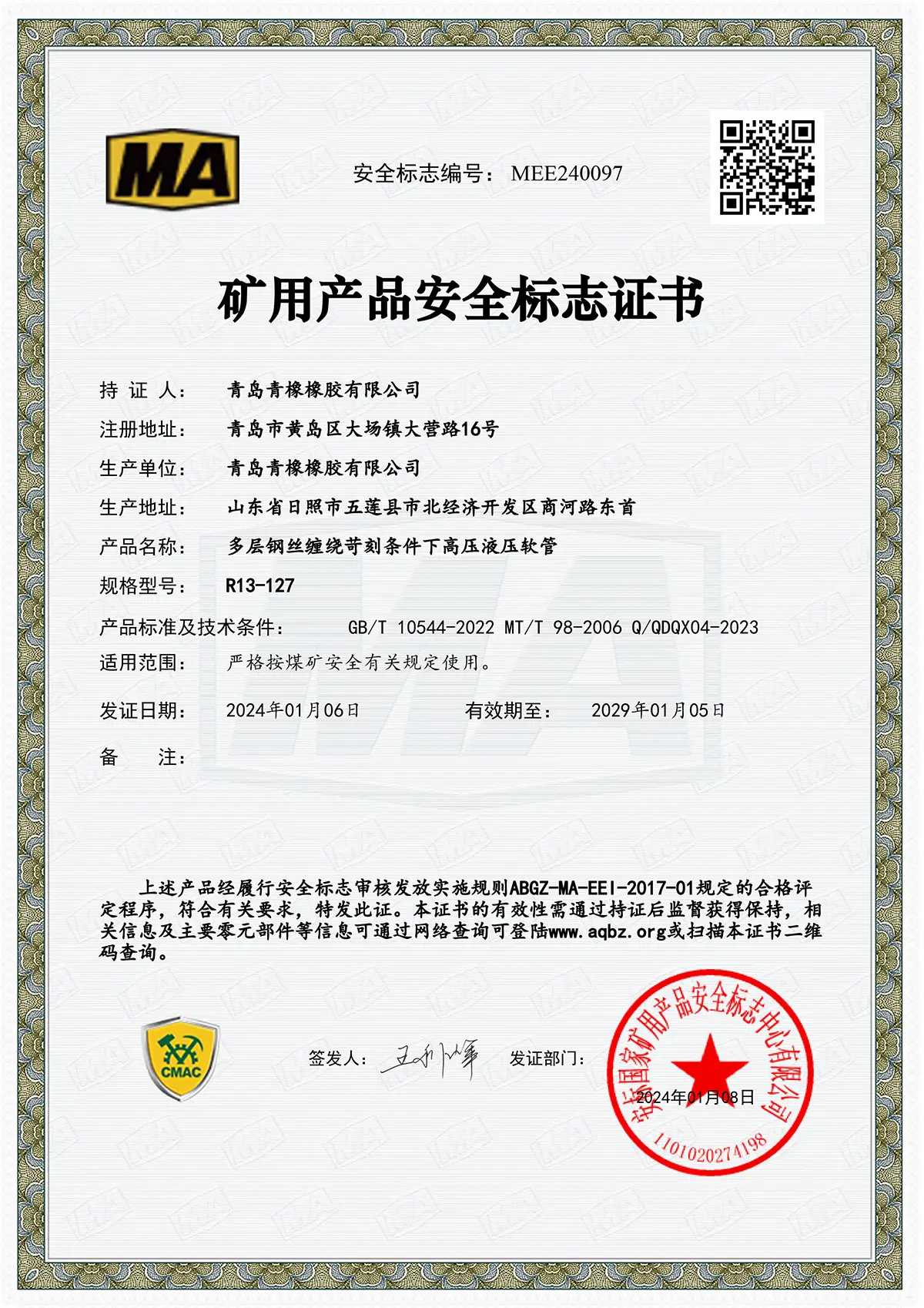
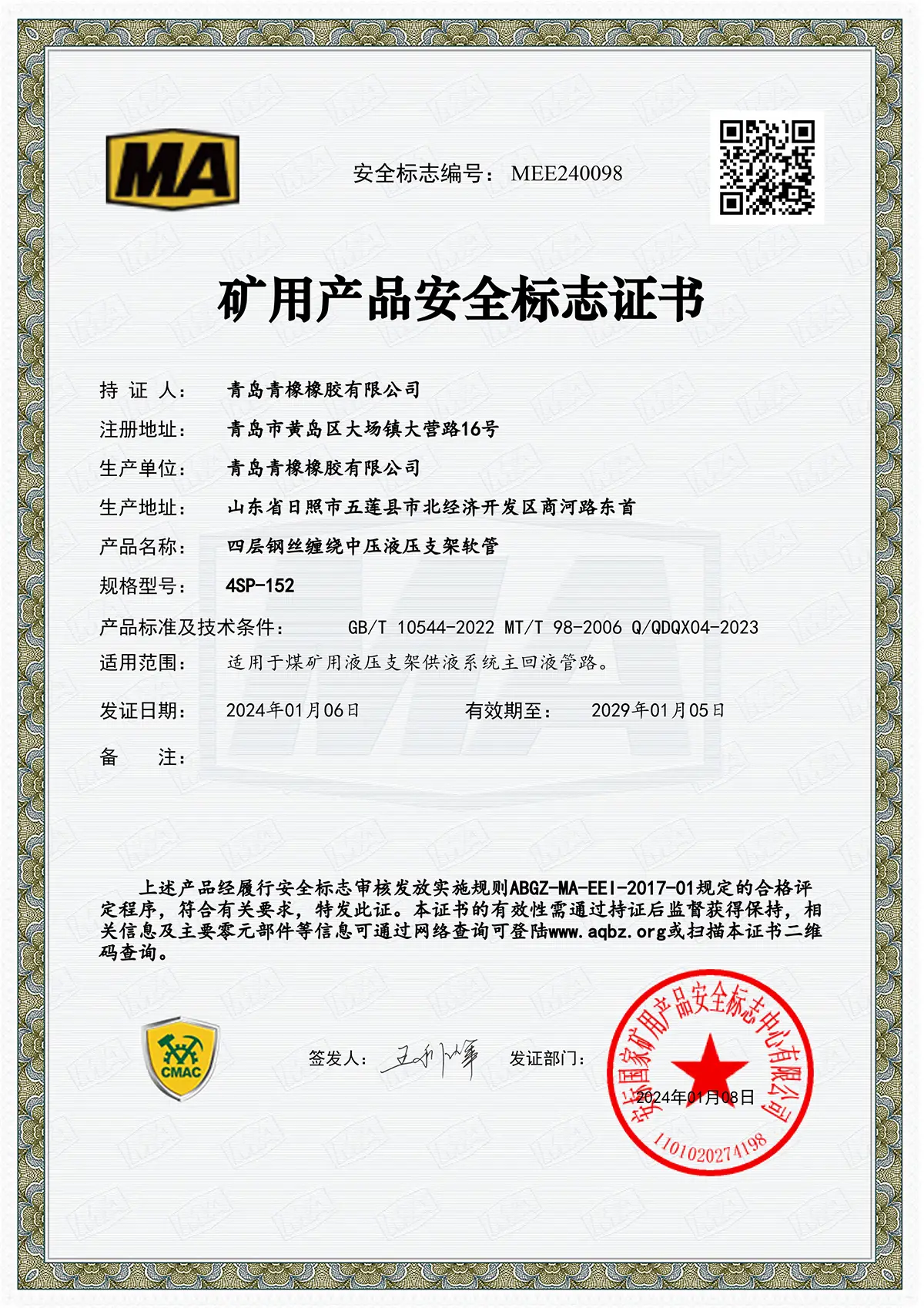
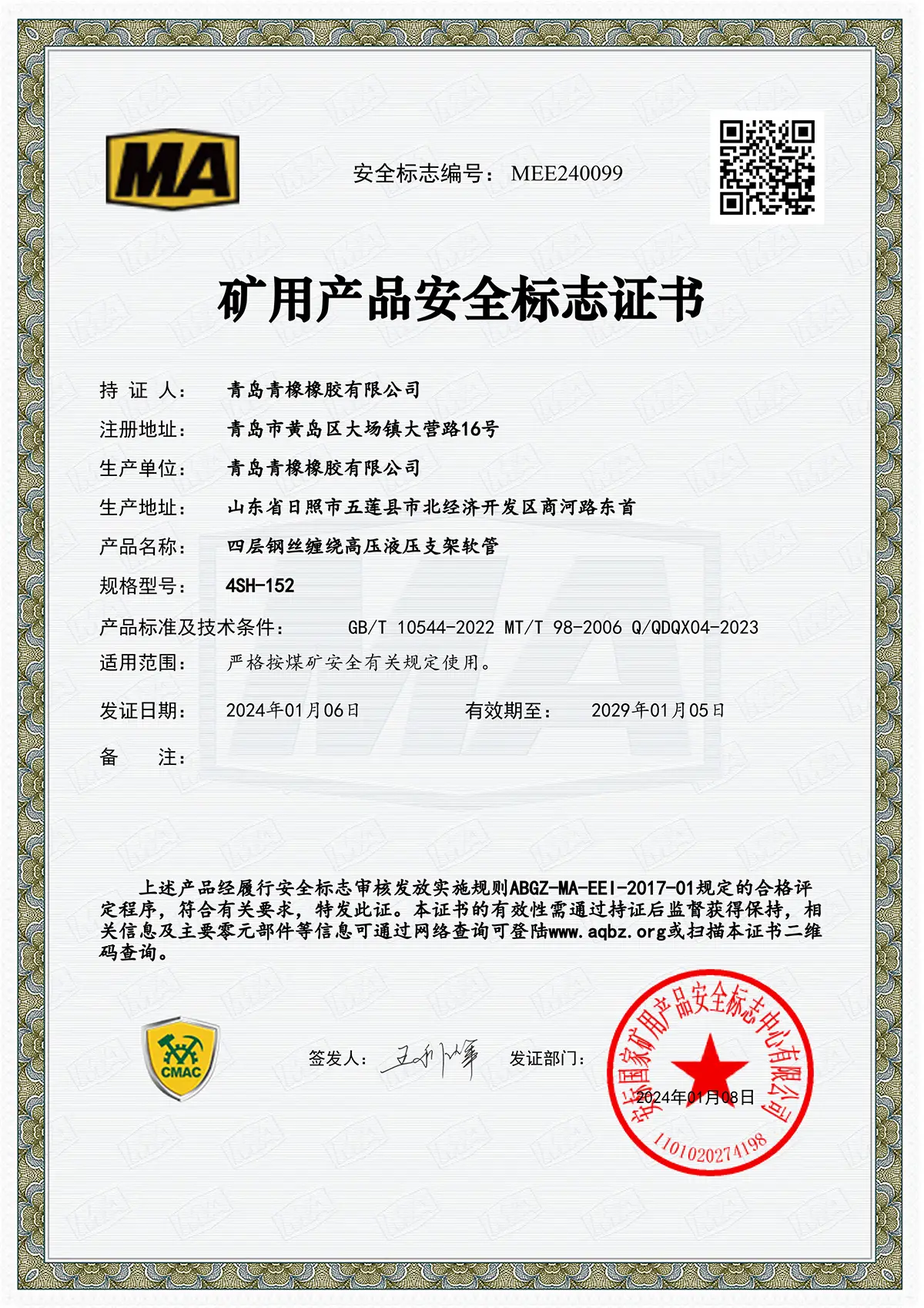
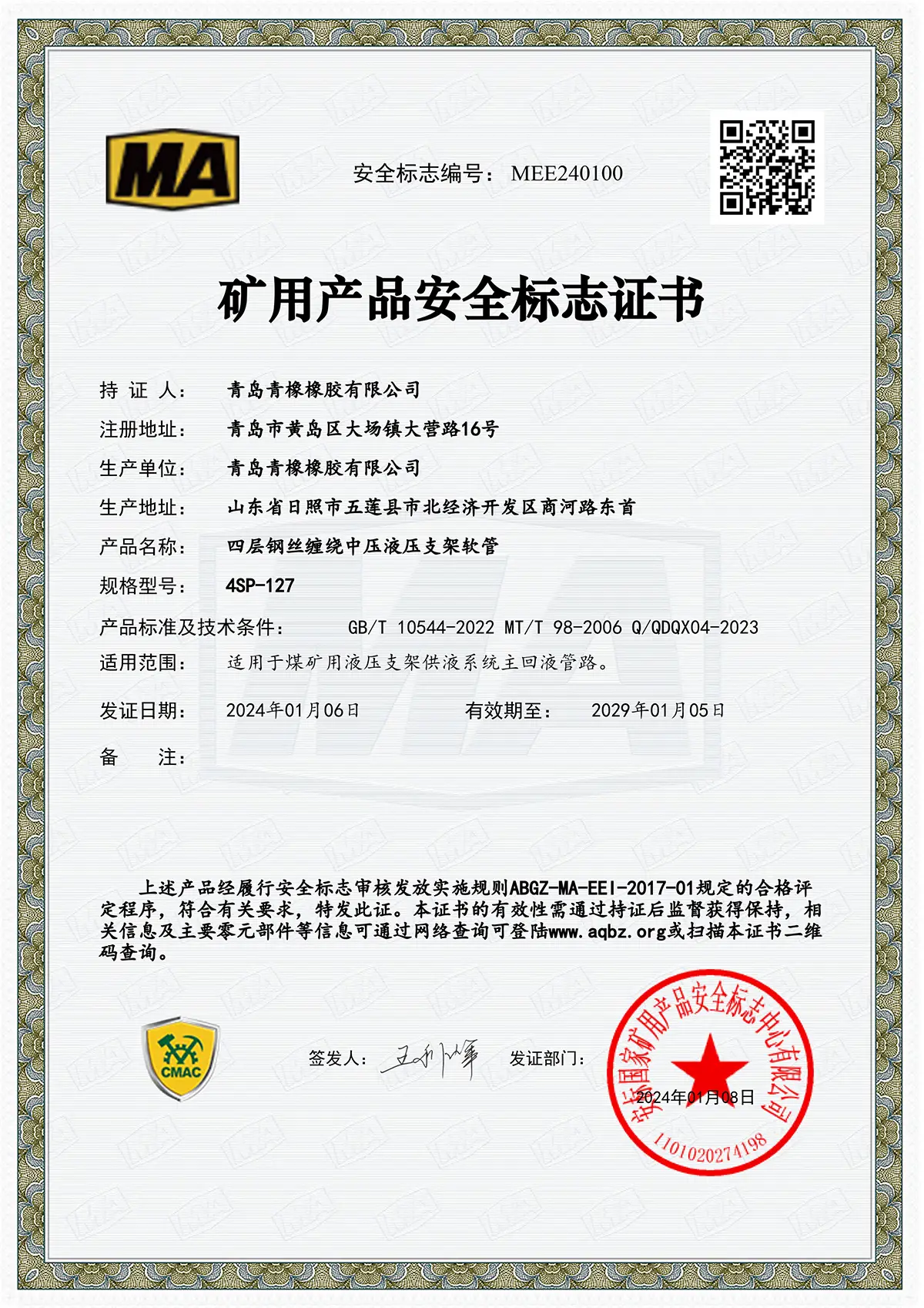
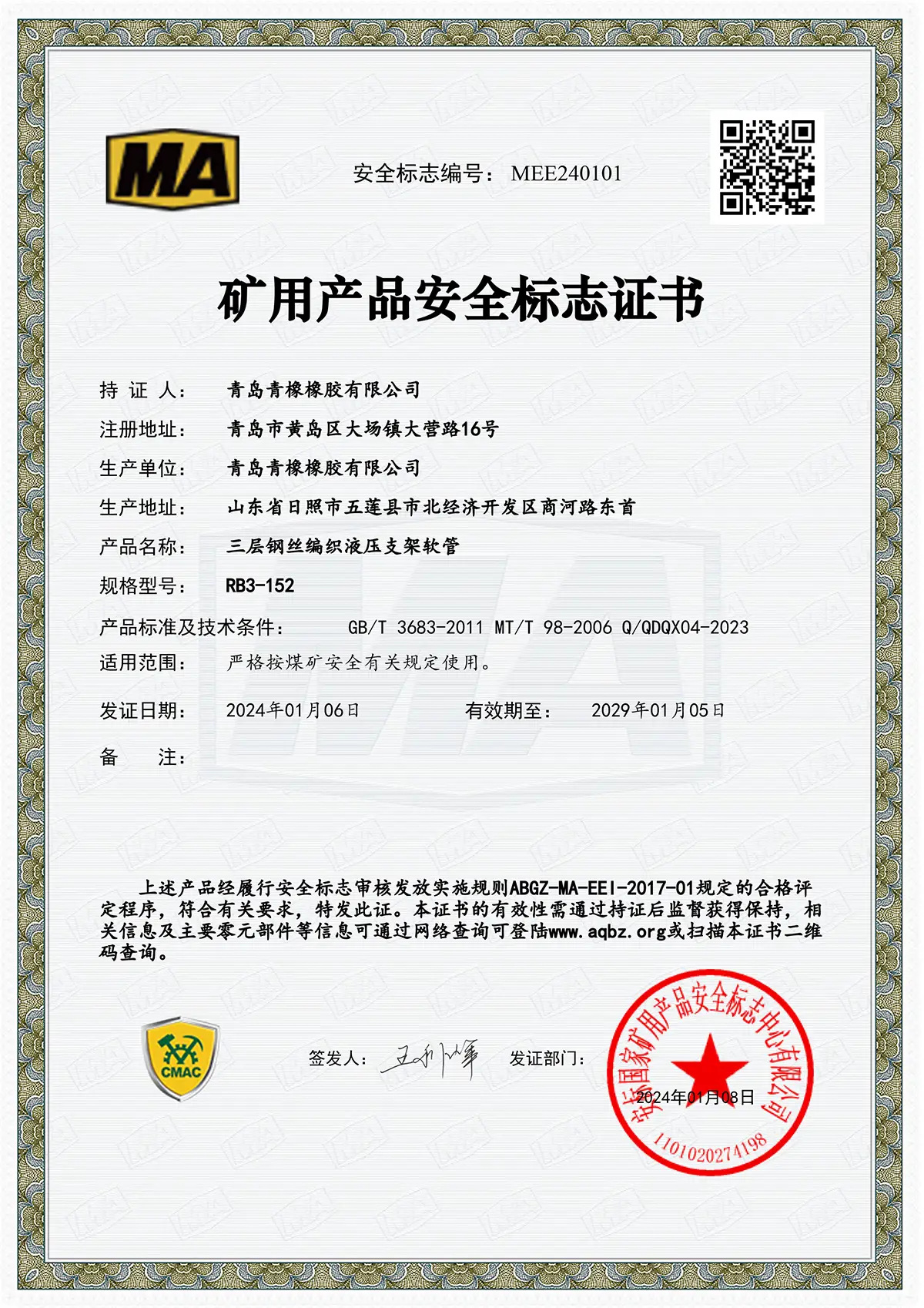
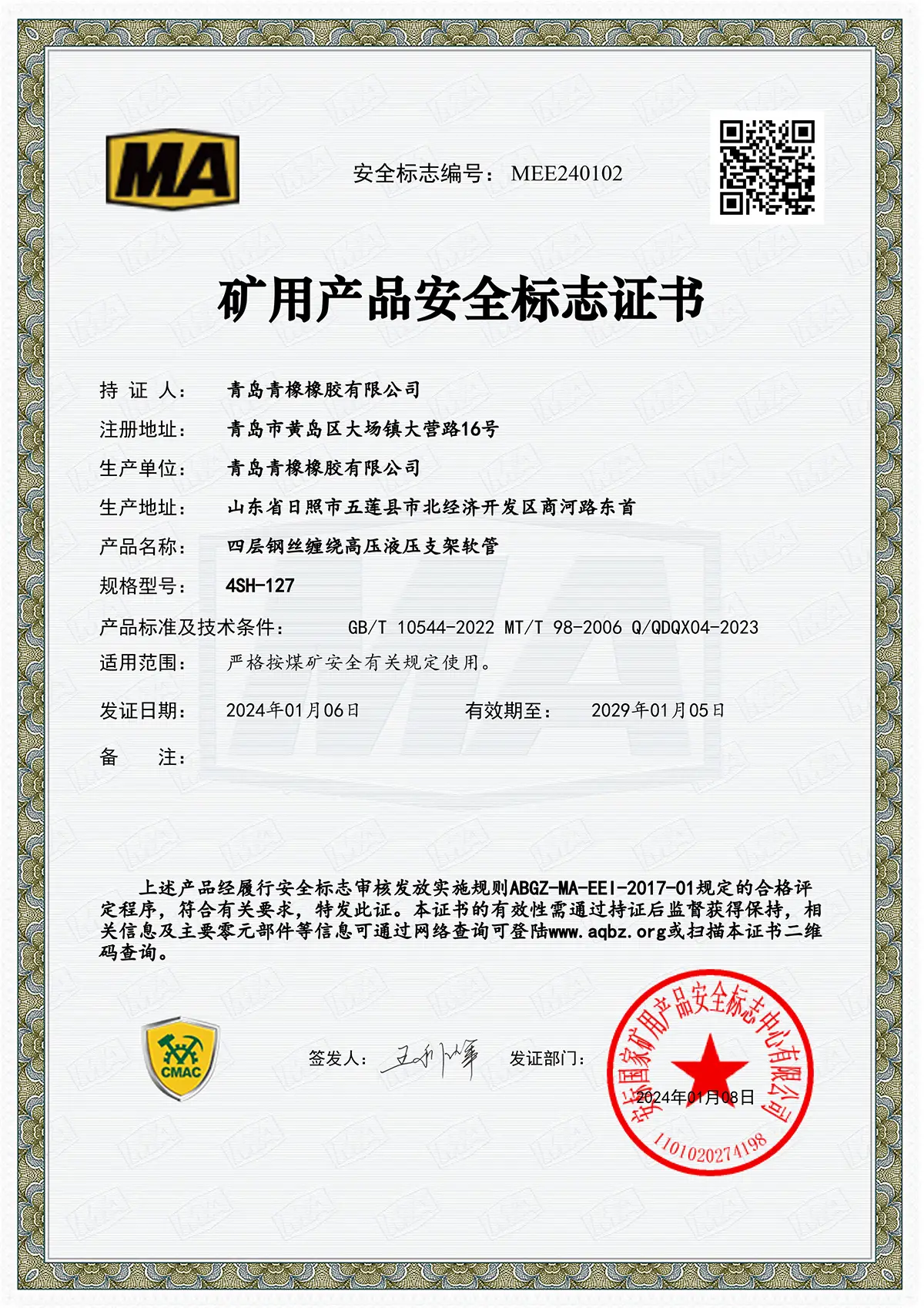
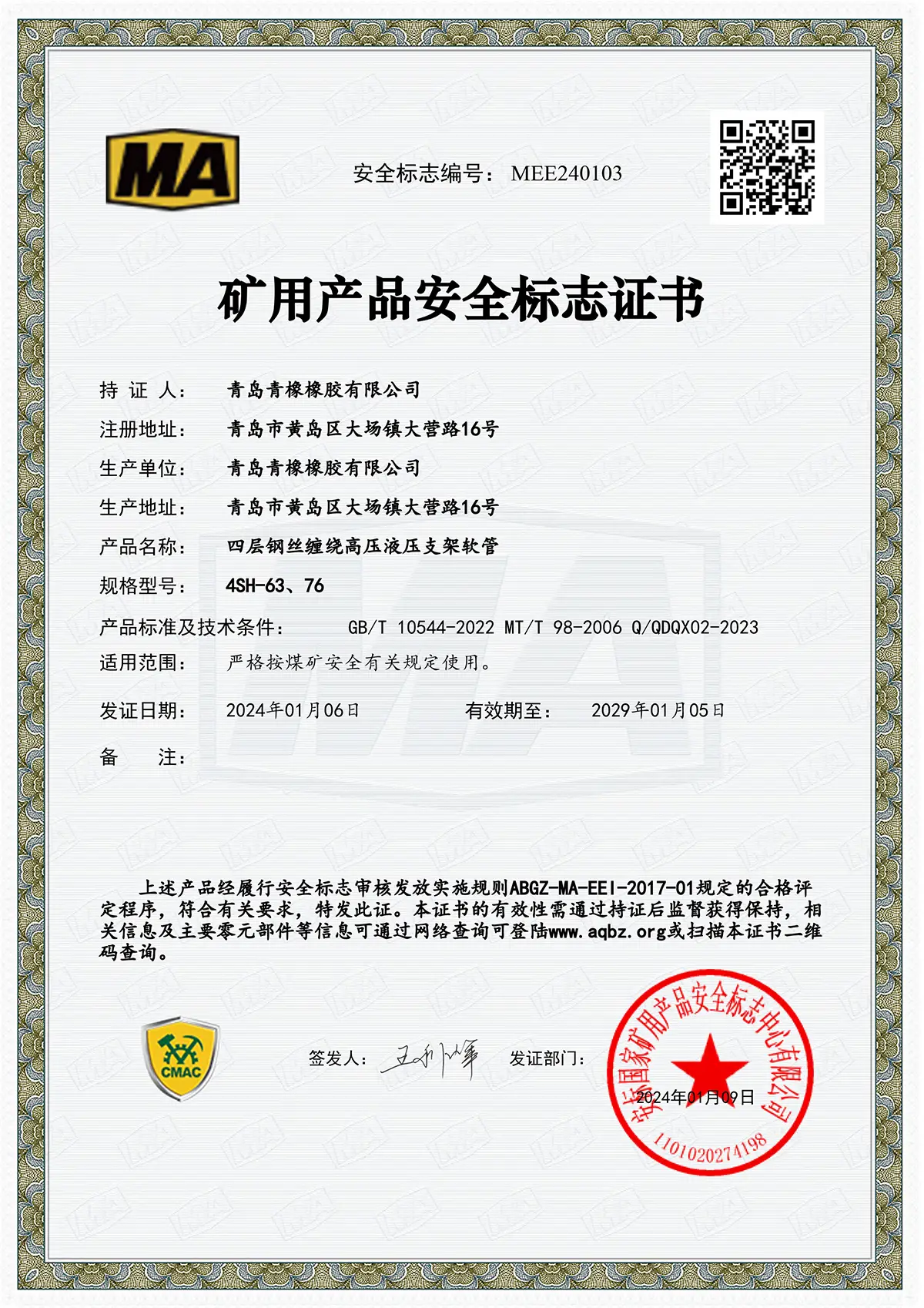
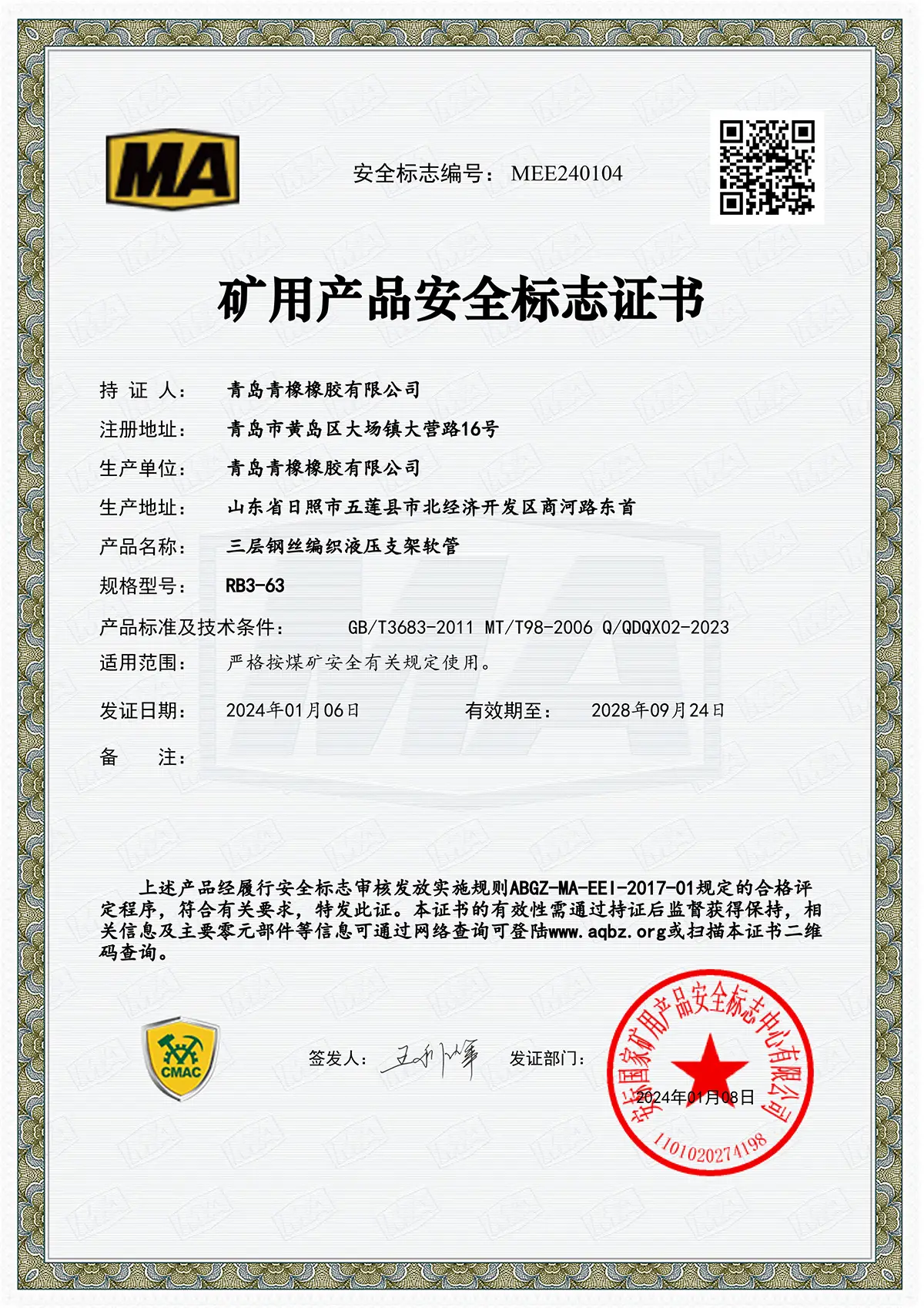
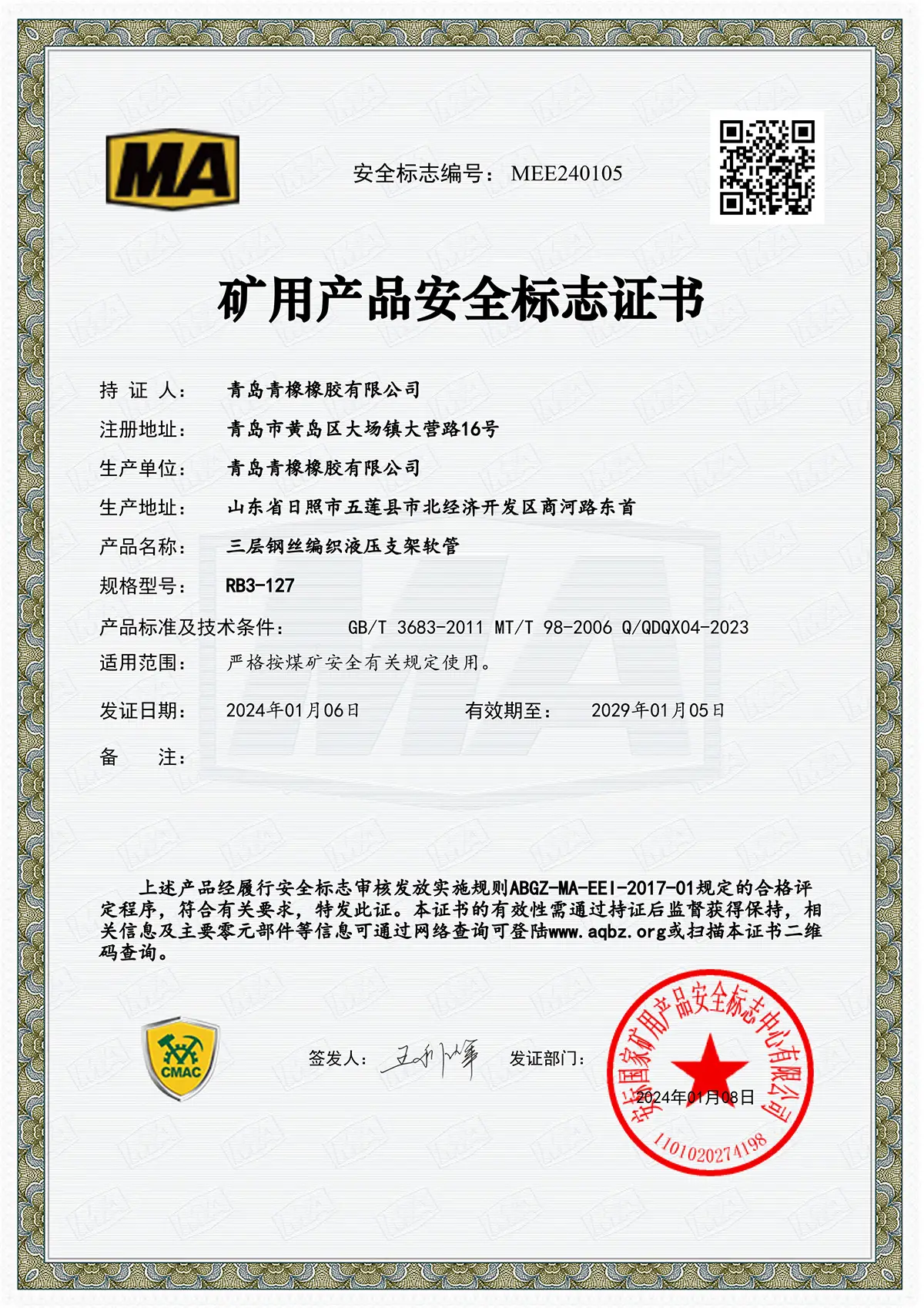
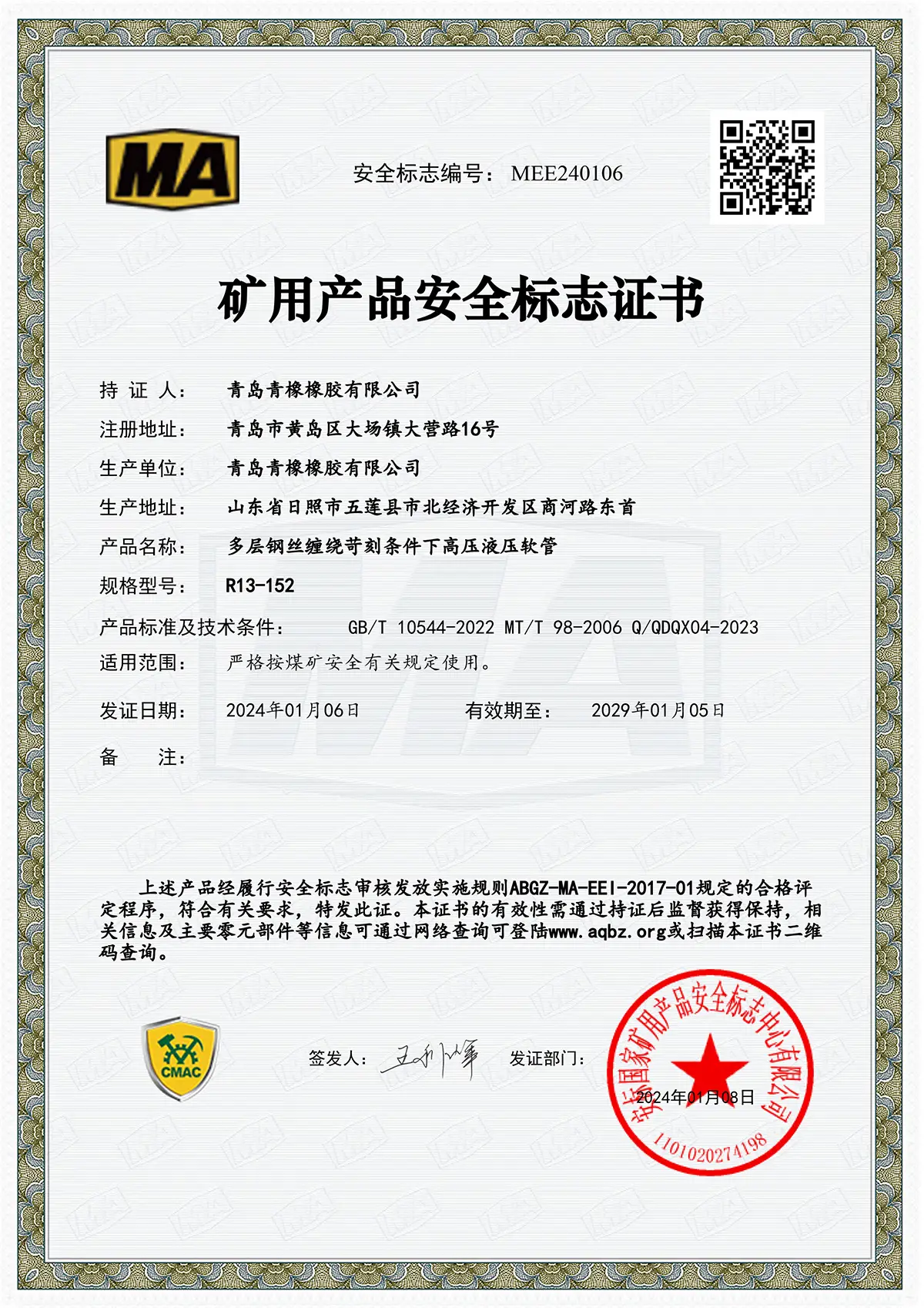
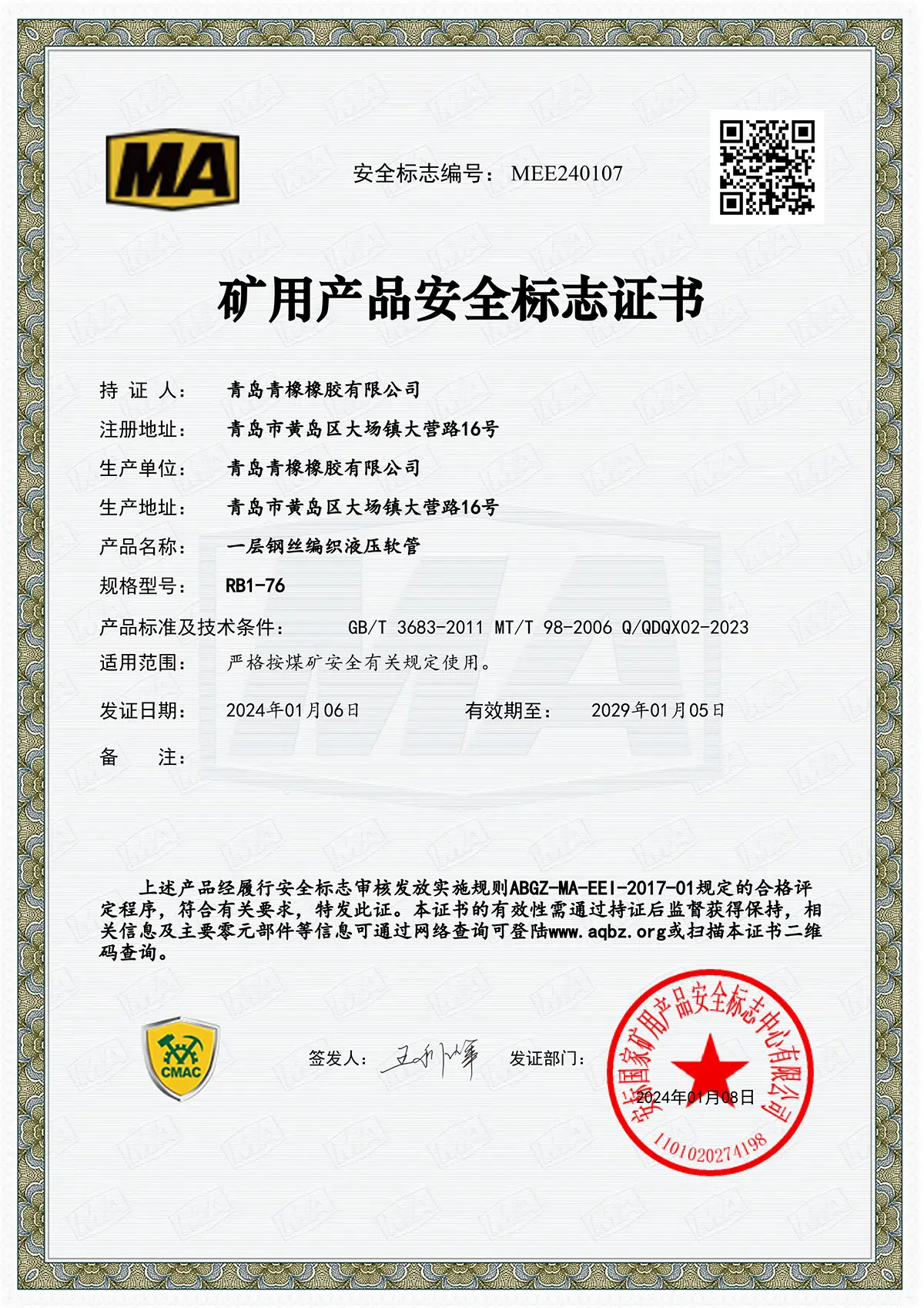
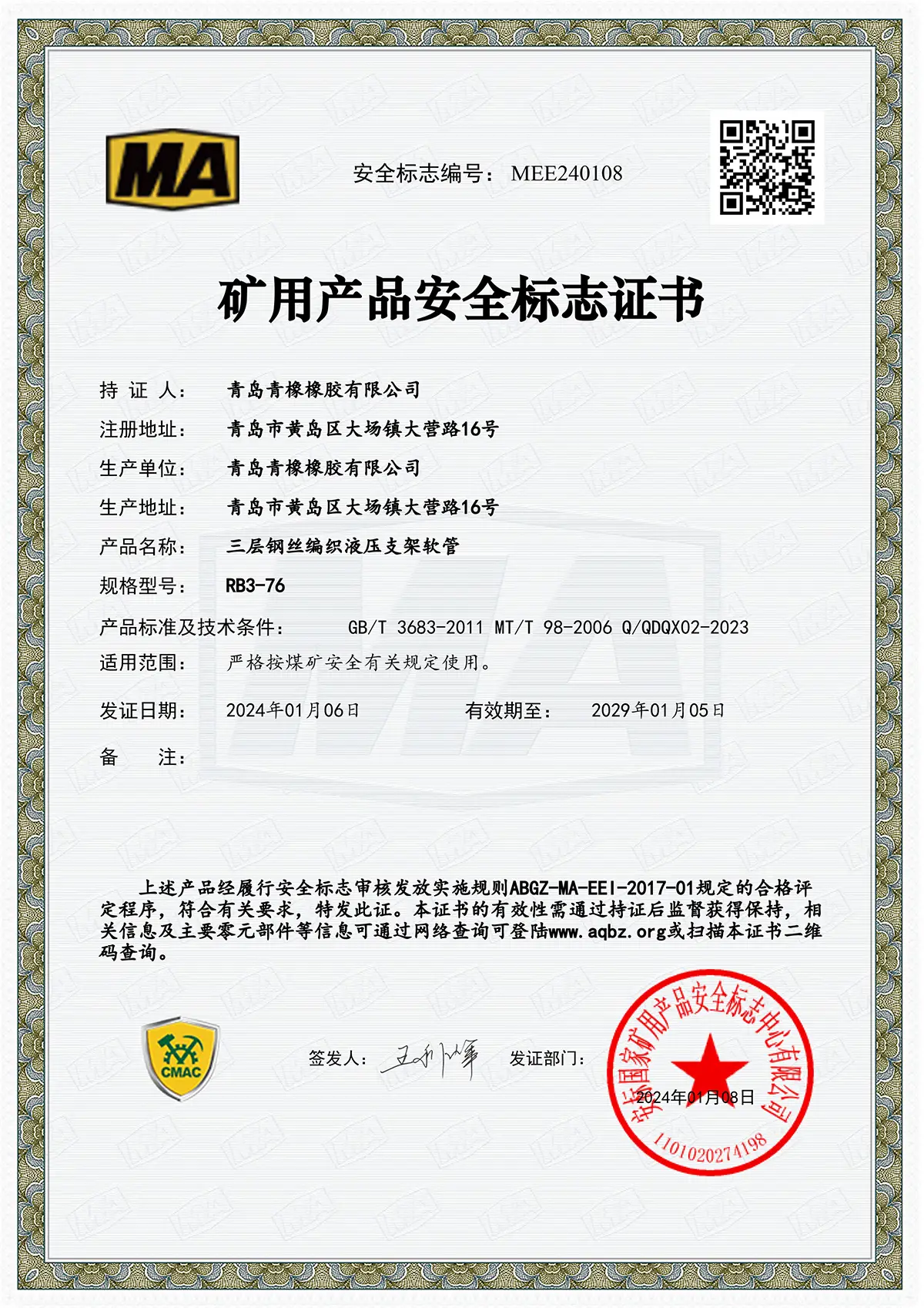
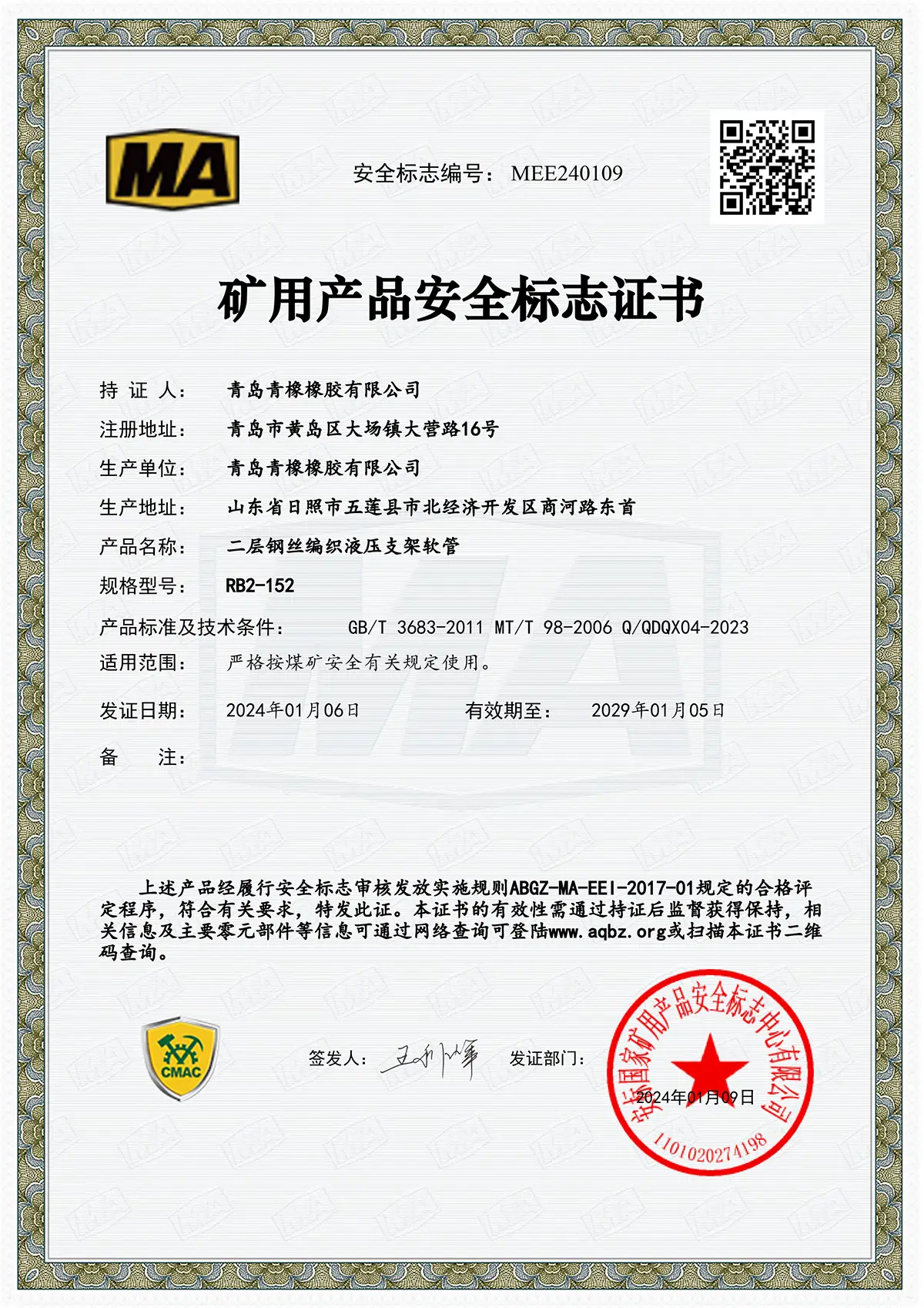
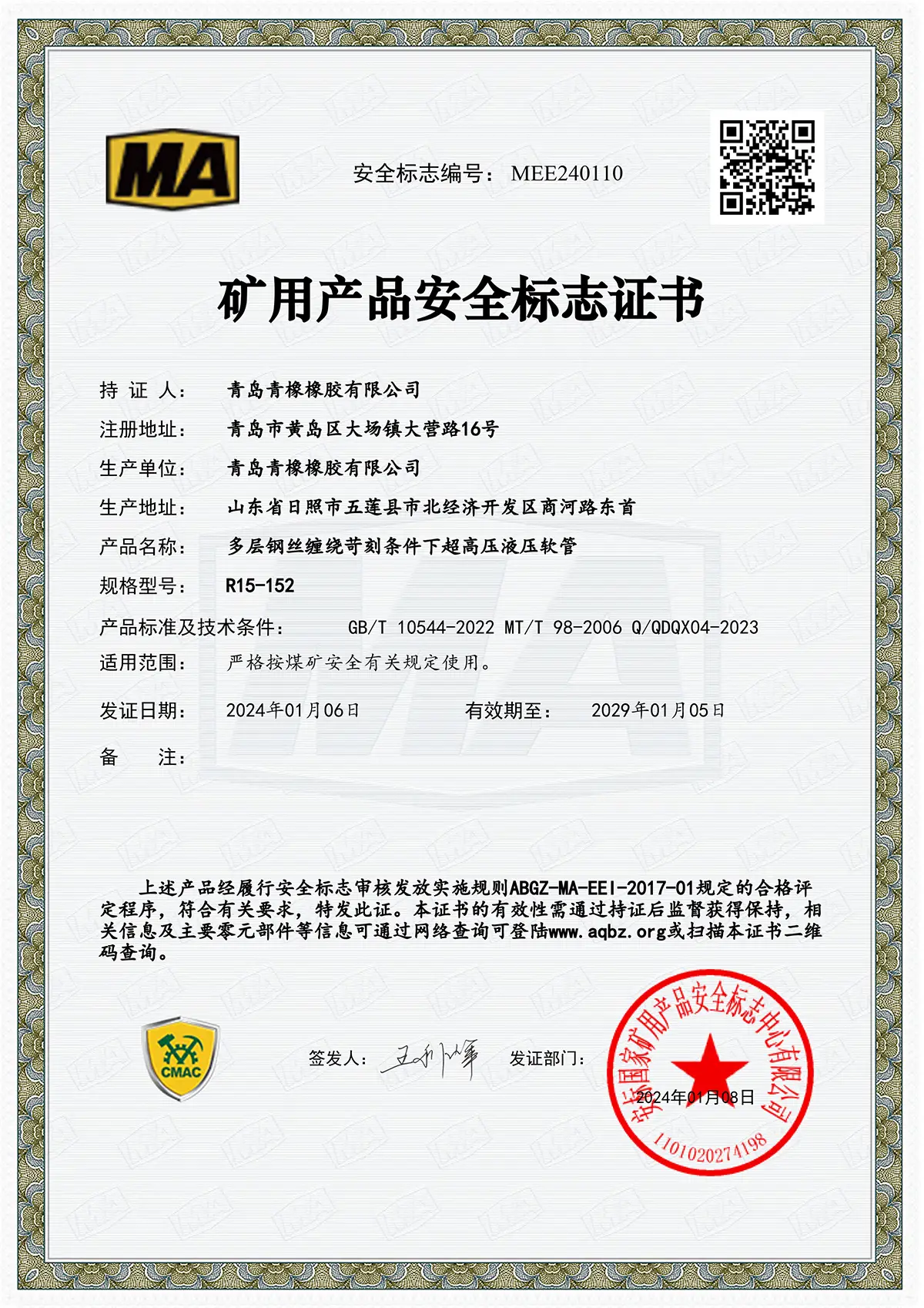
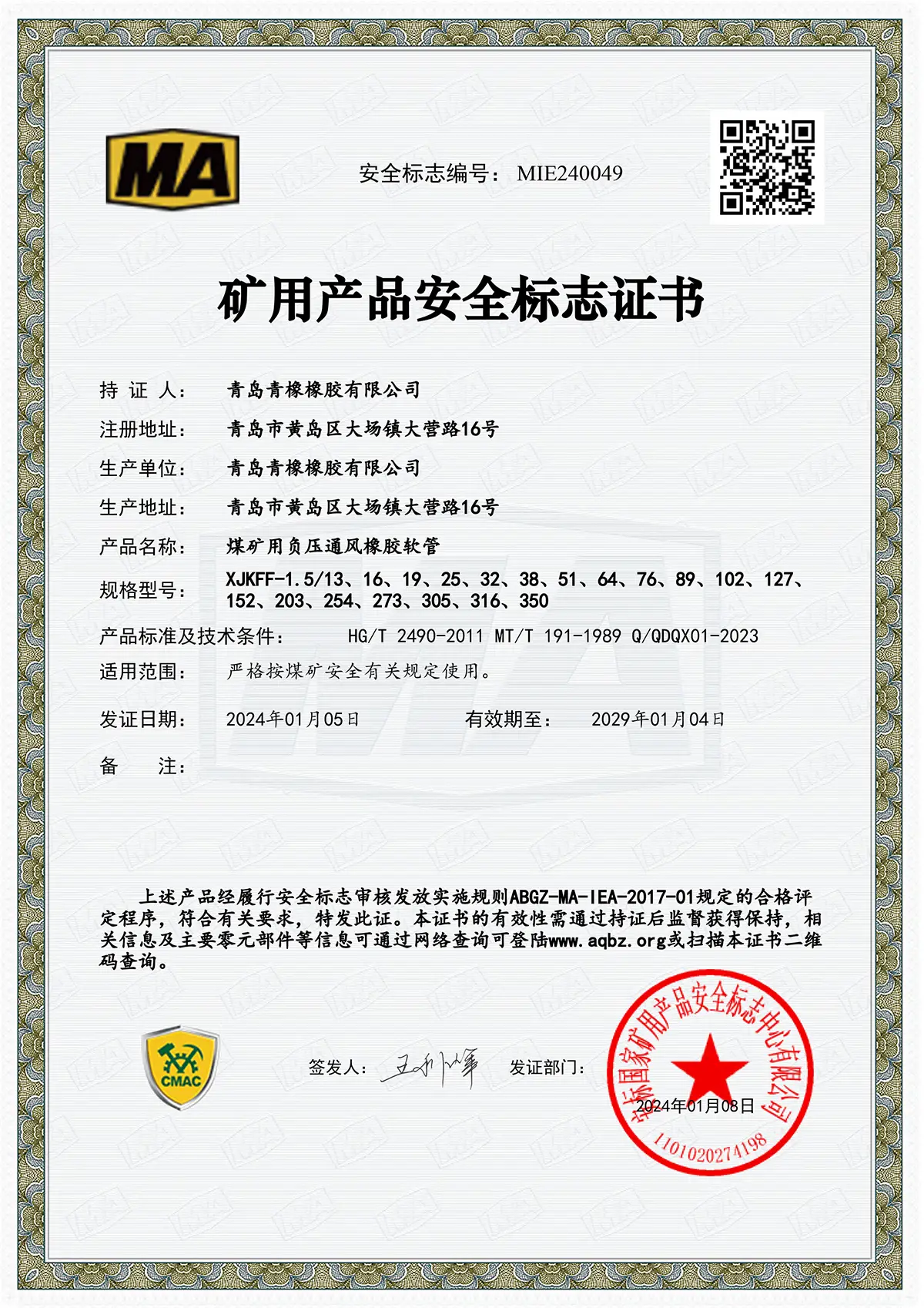
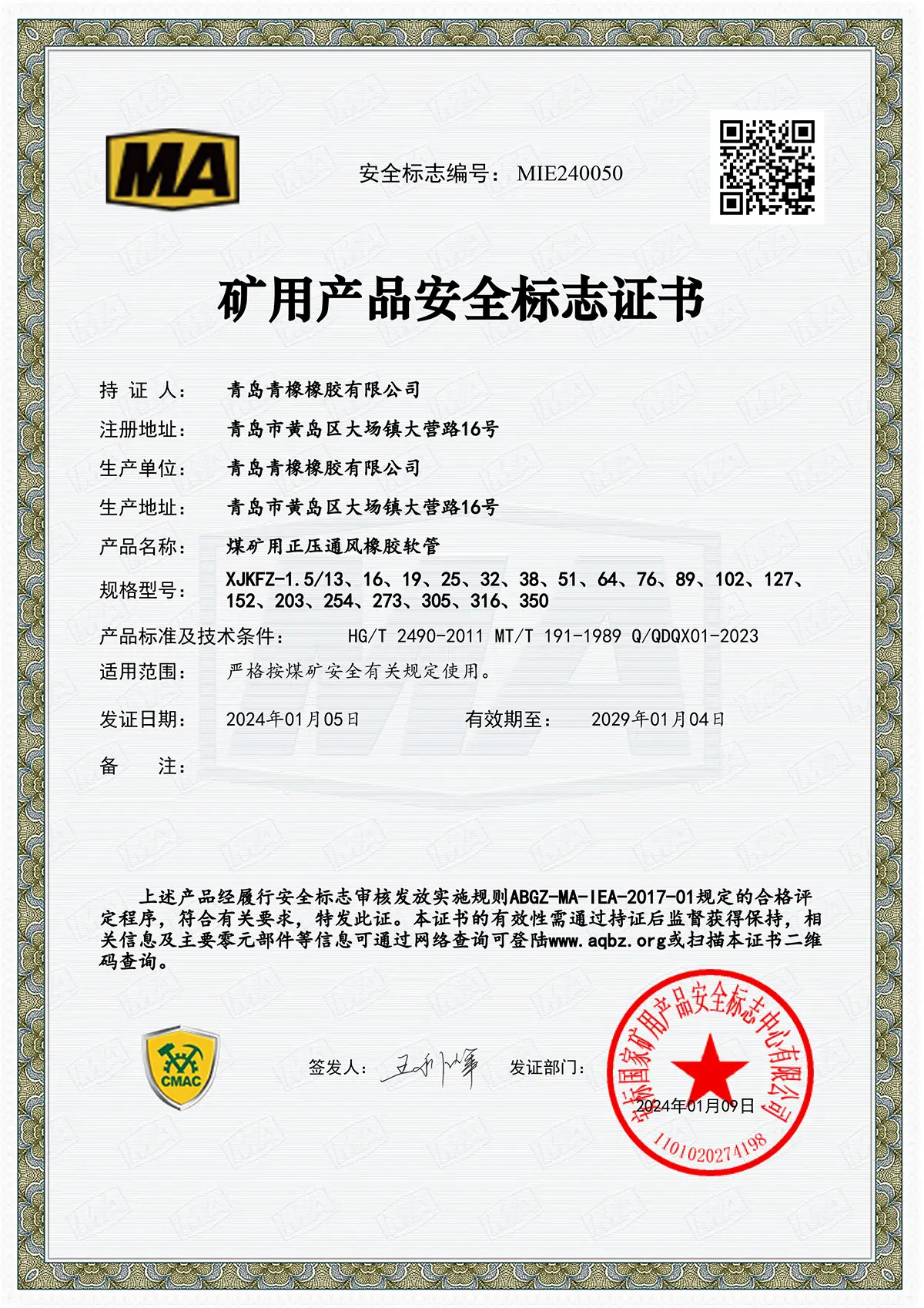
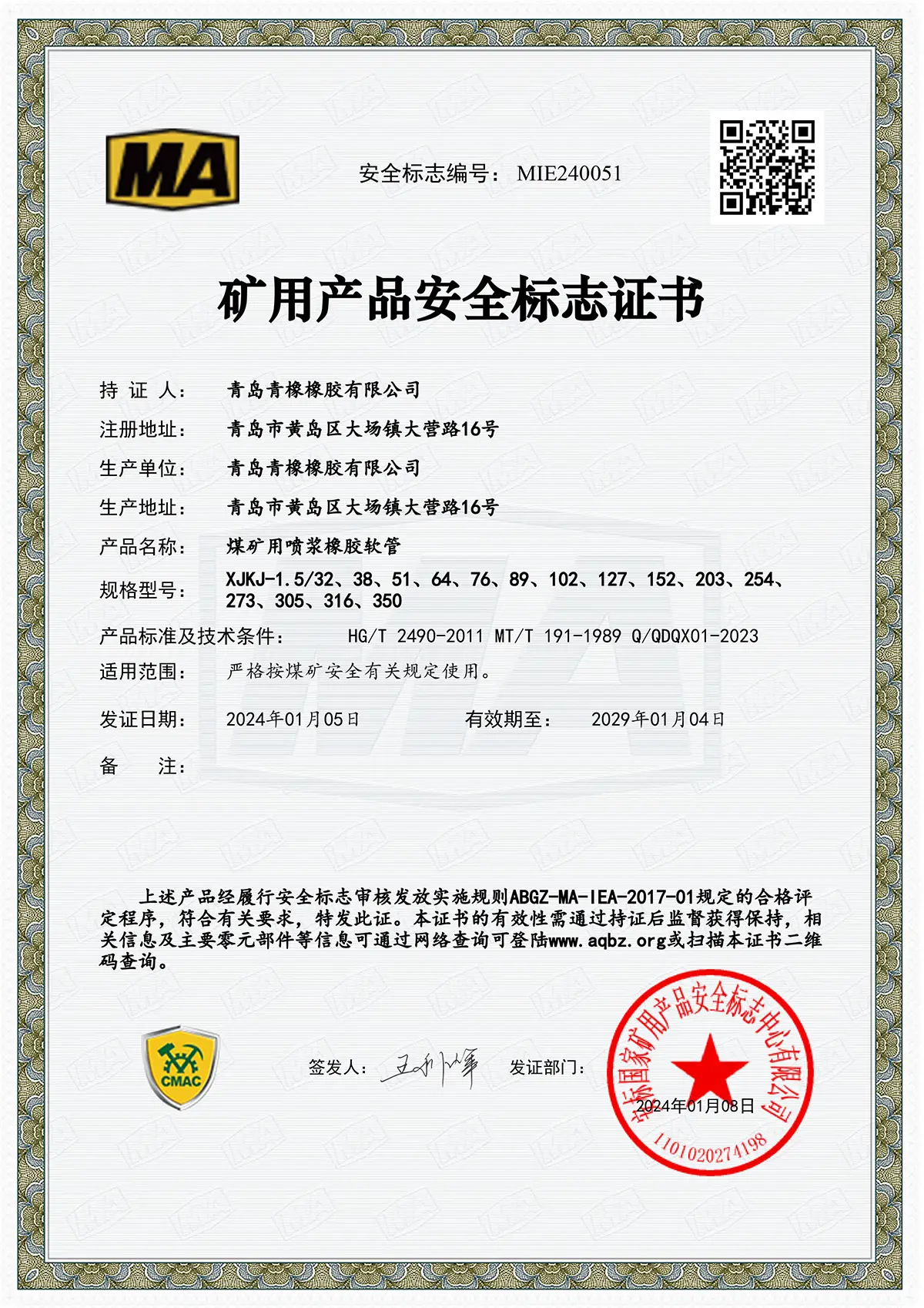
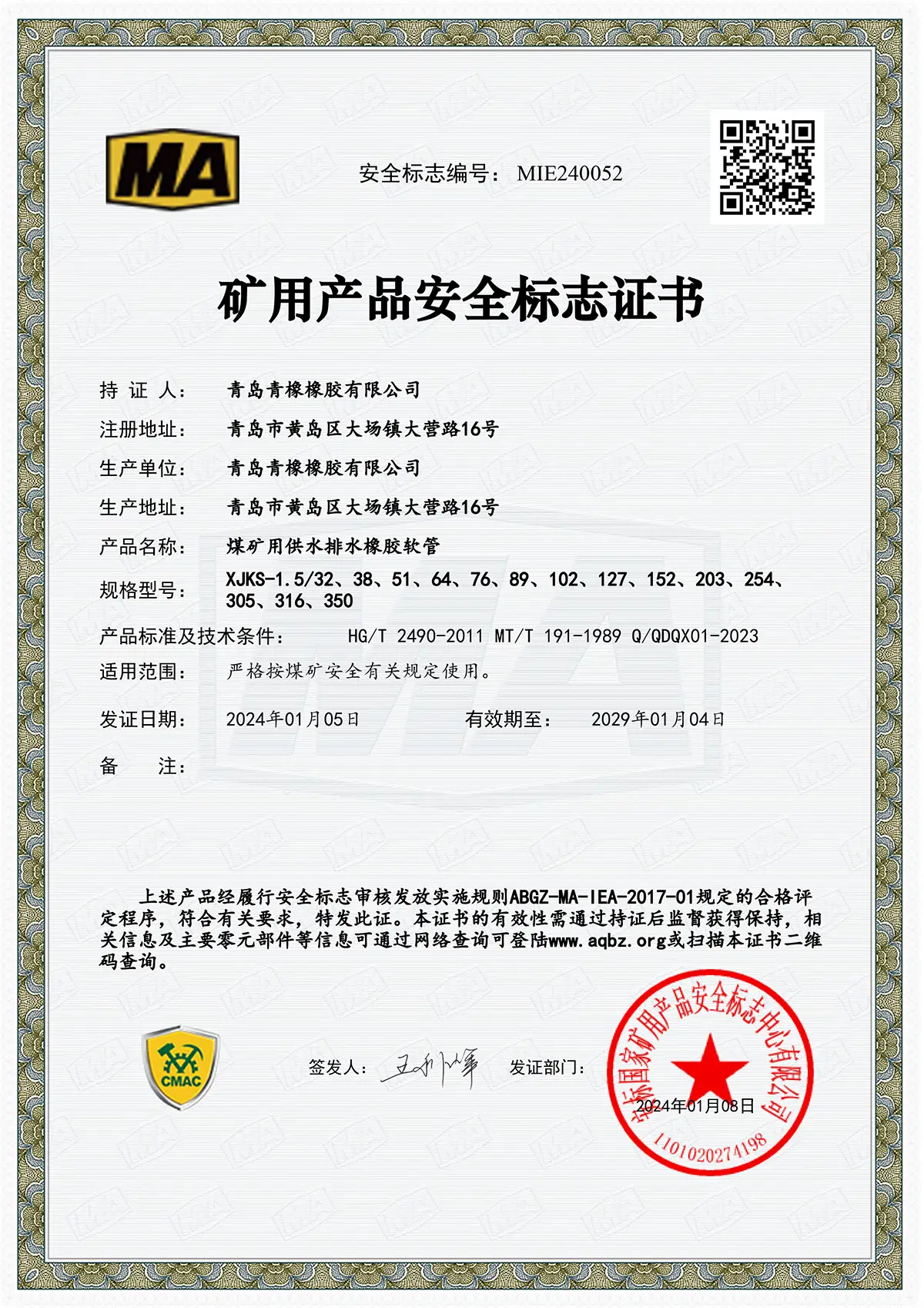
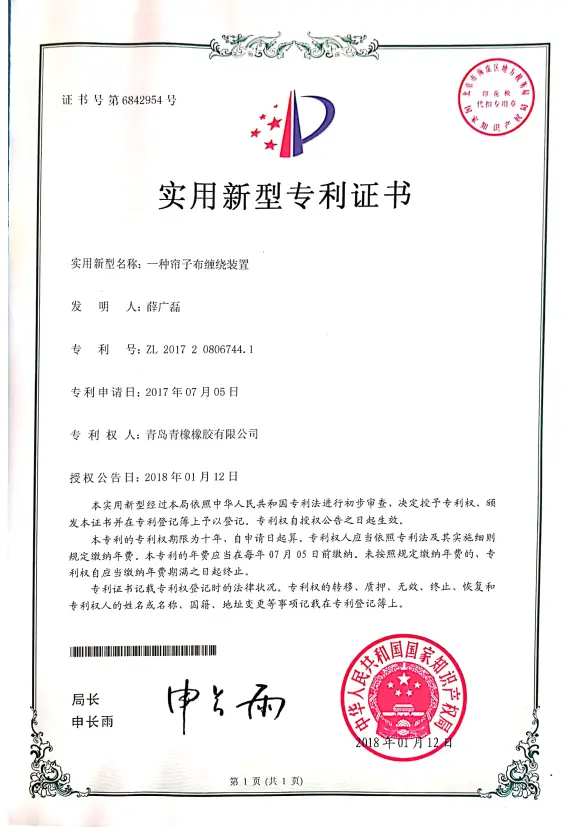
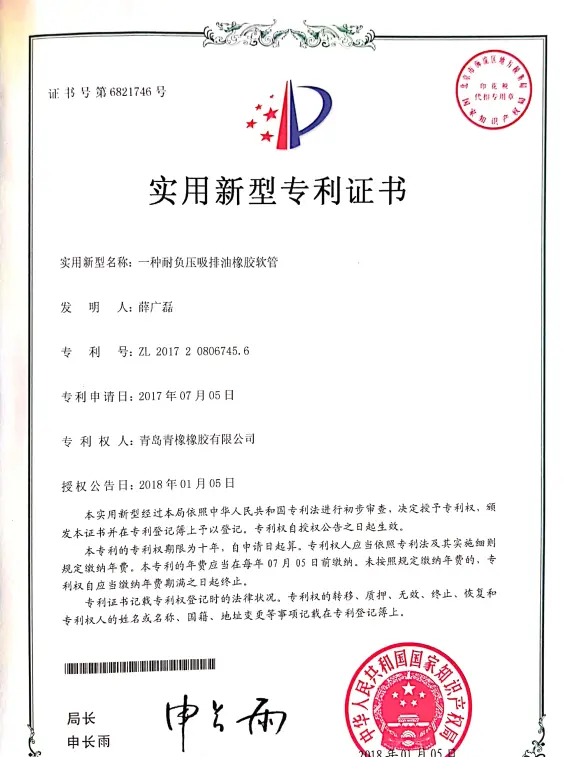
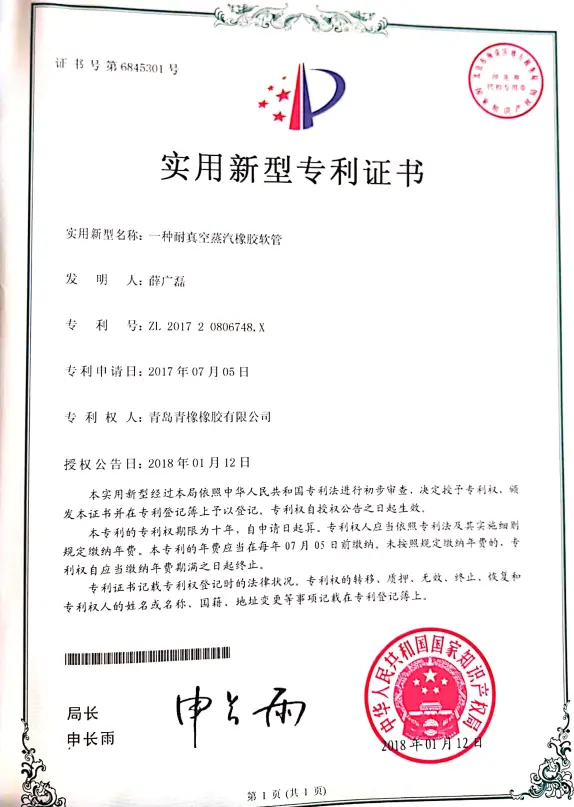
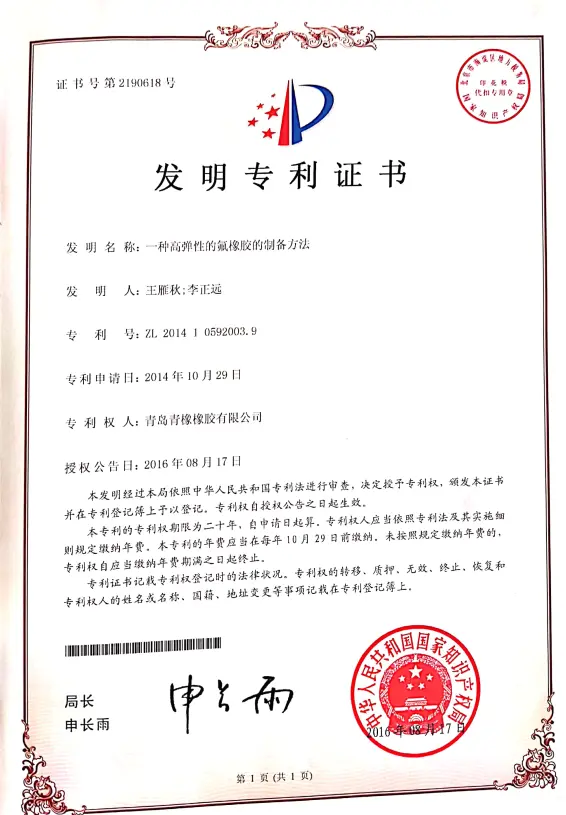
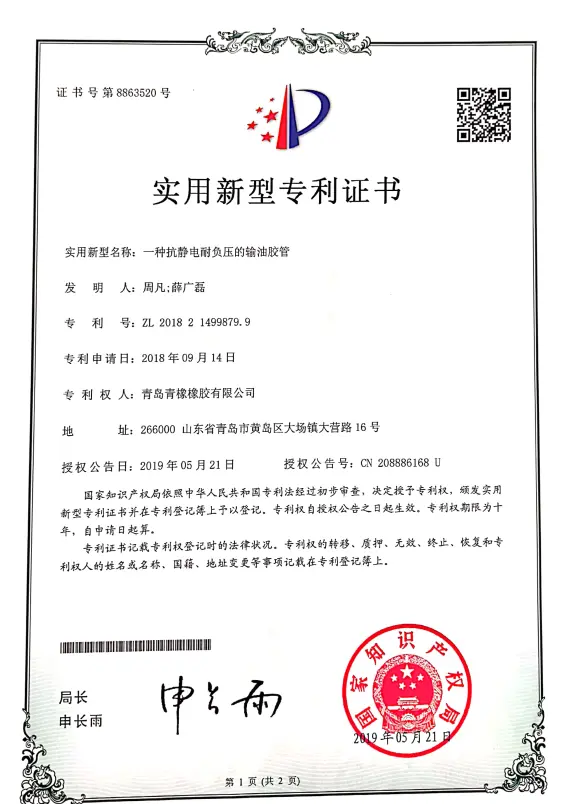
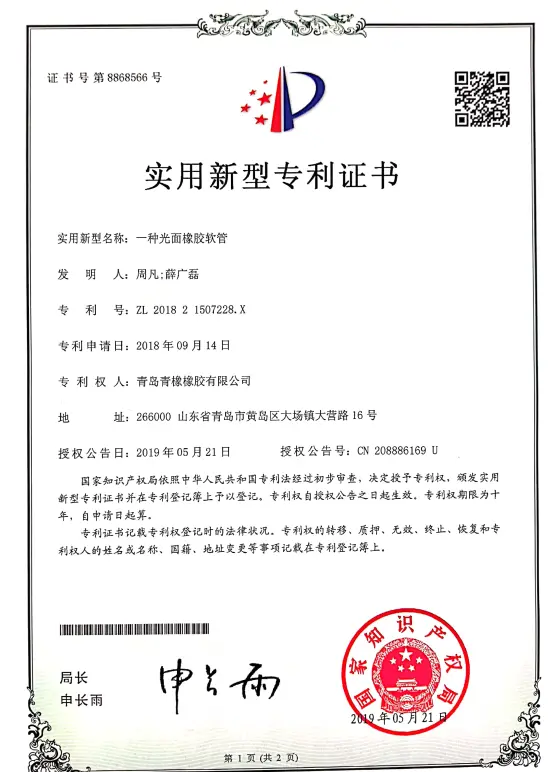
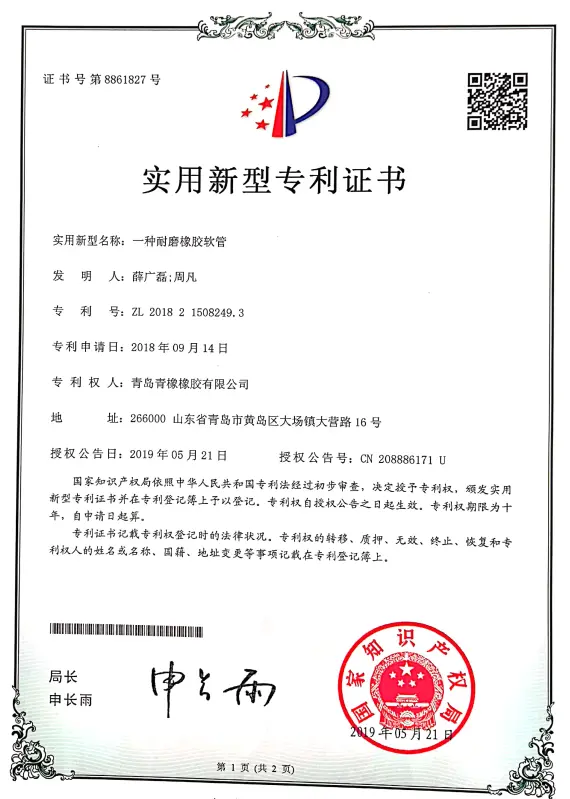
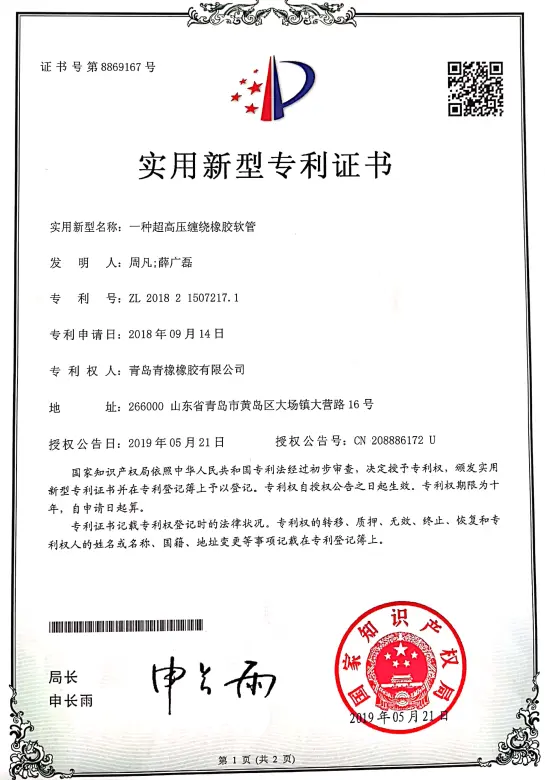
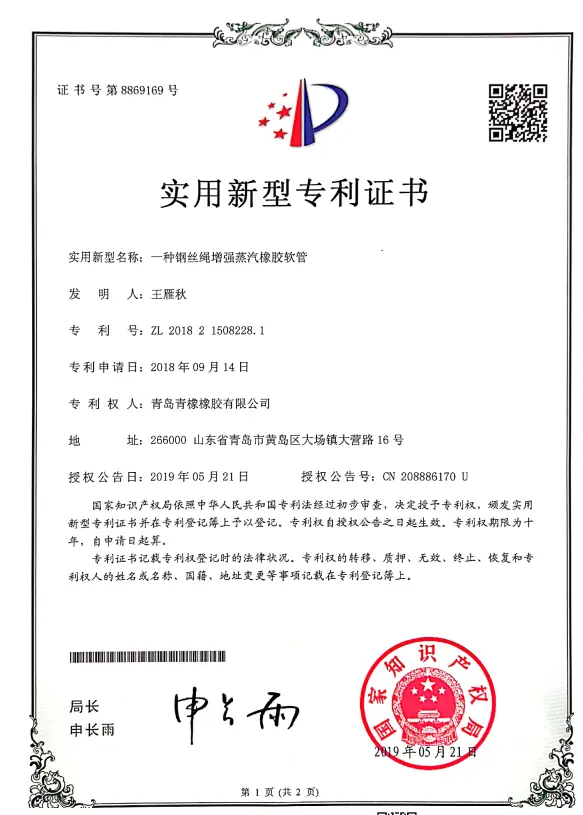
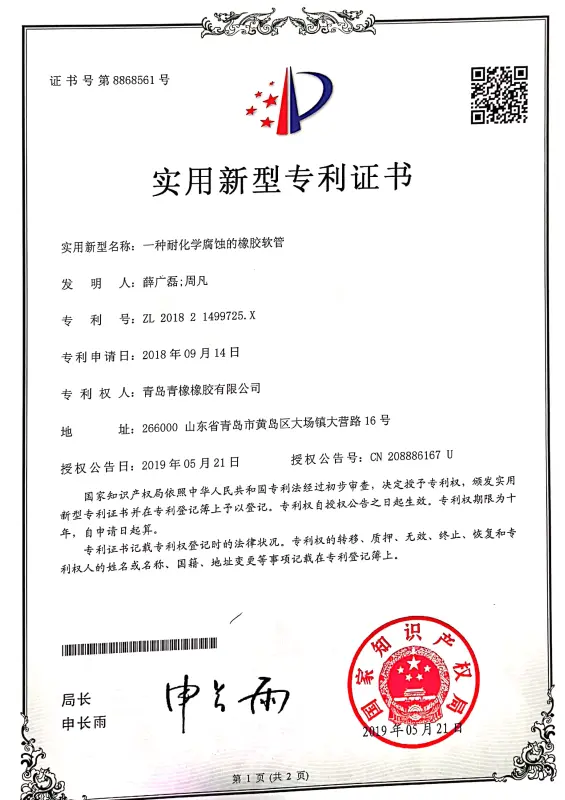
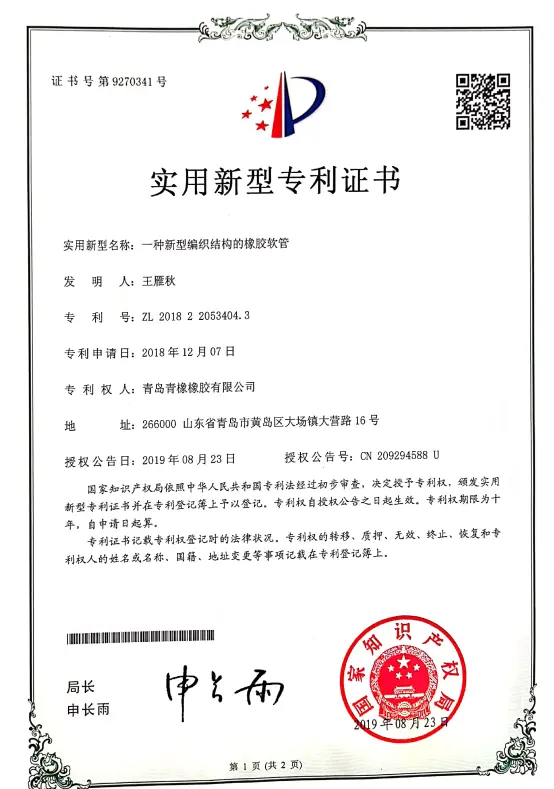
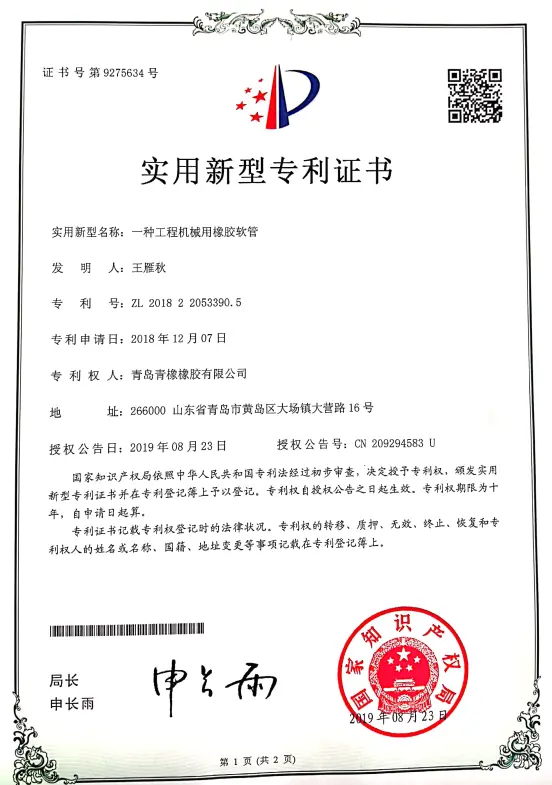
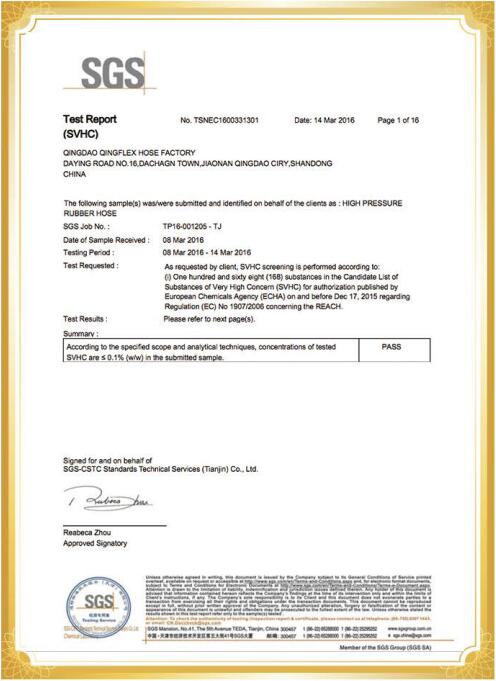
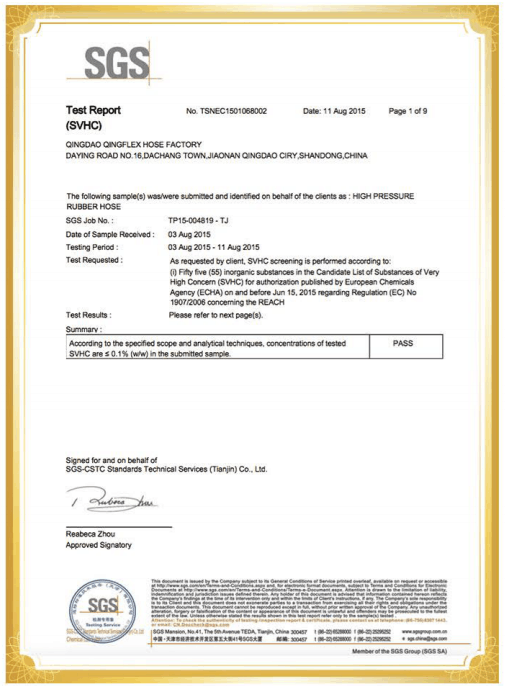
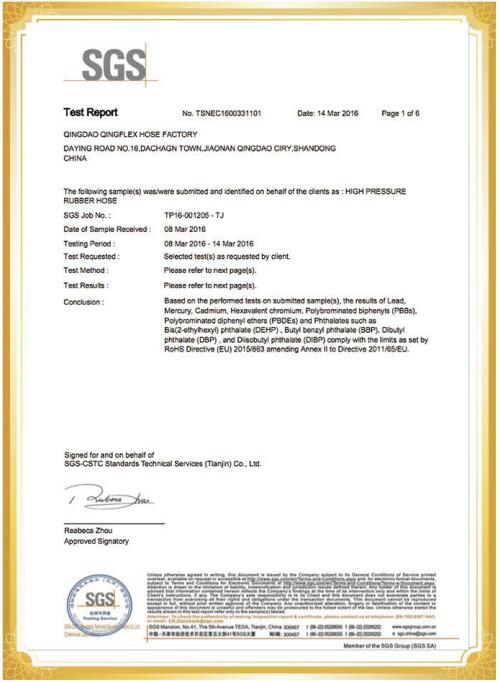
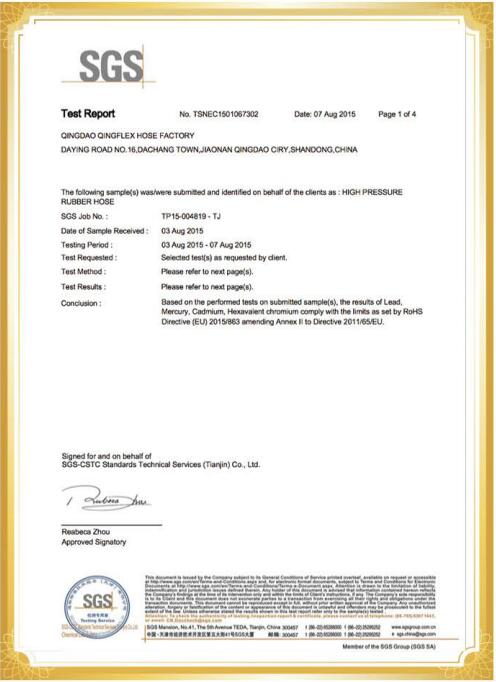
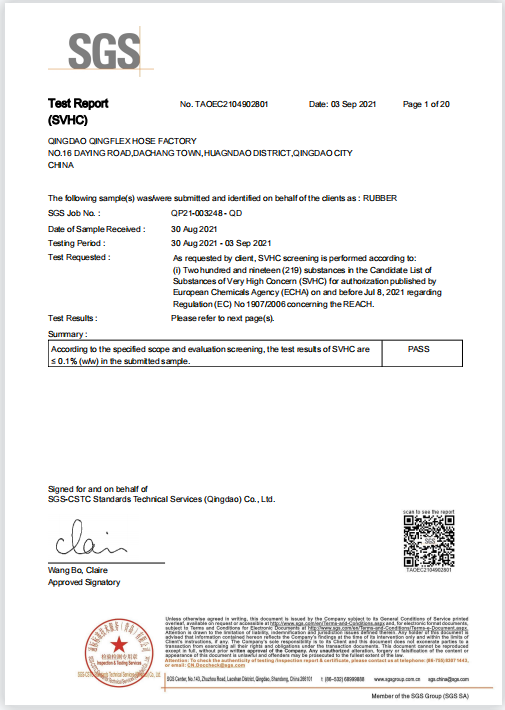
Our company proudly possesses certifications from DNV MED, CCS, ABS, and API, underscoring our unwavering commitment to delivering products of exceptional quality and reliability.
Qingflex, a leading enterprise, specializes in the research, development, and manufacturing of oilfield drilling hoses compliant with API standards such as API 7K and API 16C. Additionally, we produce acid frac hoses and hydraulic hoses meeting DIN, SAE, Japanese, and GB standards.
Our range includes AllienDrill hoses, API-7K Cement hoses, Rotary Drilling and Vibrator Hoses, API-16C Choke and Kill Hoses, BOP Control Hoses, and more. These products are crafted using state-of-the-art machinery and technologies, catering to the global oilfield sector.
Our AlienFrac Acid Fracturing Hose, both fitted with built in fittings and crimped fittings, boasts impressive Working Pressure (W.P.) ratings of up to 15,000 PSI and 20,000 PSI. They offer enhanced flexibility during installation and extended service life, making them an excellent alternative to steel pipes.
Discover the pinnacle of reliability and performance with our Fracturing Hose, also referred to as Frac Hose. Crafted with precision engineering and cutting-edge materials, our Fracturing Hose is tailored to excel in the demanding environment of hydraulic fracturing operations.
Engineered to endure extreme pressures and harsh conditions, our Frac Hose ensures seamless fluid transfer while prioritizing safety and efficiency. Whether it’s handling high-pressure fluids or withstanding the rugged terrain of oilfield sites, our Fracturing Hose is your trusted companion for uninterrupted operations.
Backed by industry-leading expertise and quality assurance, our Frac Hose delivers unparalleled durability, flexibility, and longevity, empowering you to tackle the most challenging fracturing tasks with confidence. Experience the difference with our Fracturing Hose and elevate your operations to new heights of success.
A frac hose is the high-pressure lifeline that connects your pumps, manifolds, and wellheads during hydraulic fracturing. You push abrasive slickwater and proppant through it at extreme pressure cycles, often under constant vibration and temperature shifts. You need more than flexibility. You need structural stability under surge loads, resistance to sand erosion, and fittings that hold during dynamic pressure spikes. We engineer each frac hose with layered steel reinforcement, abrasion-resistant compounds, and precision crimped ends so you maintain flow integrity without risking hose whip or connection failure. When your operation runs nonstop, your hose cannot become the weak link.
How to Install a Frac Hose?
Proper frac hose installation protects your operation from pressure spikes, hose whip, and premature failure. You control safety and performance when you follow disciplined installation steps from the start.
Frac Hose Installation Checklist:
Inspect the frac hose body, reinforcement zone, and crimped fittings for distortion, scoring, or transport damage.
Verify the pressure rating matches your maximum working pressure plus surge margin.
Route the hose within its rated bend radius and provide proper support so weight does not load the fittings.
Align connections precisely to eliminate side strain and torsional stress.
Torque fittings to specification without over-tightening.
Secure long hose runs with clamps or saddles to prevent vibration fatigue.
Conduct a staged pressure test before full pumping to confirm sealing integrity.
Correct installation reduces hose whip risk, reinforcement fatigue, and connection failure under high-pressure fracturing conditions.
How Does a Frac Hose Handle High Pressure?
Hydraulic fracturing operations generate extreme pressure measured in thousands of PSI. A frac hose must maintain structural stability during pressure spikes and rapid flow changes. We engineer each frac hose with high-tensile steel wire reinforcement and precision crimped fittings to secure connections under dynamic load. Reinforcement layers control expansion and protect burst resistance while preserving flexibility for routing across equipment. Strong material selection and controlled crimp tolerances keep performance consistent during demanding oilfield pressure cycles.
What Materials Do You Use in a Frac Hose?
Frac hose materials must withstand abrasive proppant flow, chemical additives, and harsh oilfield conditions. We build each frac hose with a synthetic rubber inner tube designed to resist hydraulic fracturing fluids and chemical attack. High-tensile steel wire reinforcement manages extreme pressure cycles and structural load. The outer cover resists abrasion, weather exposure, and surface damage from site handling. Carefully selected compounds maintain flexibility across temperature ranges and prevent cracking, blistering, and premature degradation under demanding field conditions.
How Long Does a Frac Hose Last?
Frac hose service life depends on pressure cycles, proppant abrasion, temperature variation, and overall hydraulic fracturing duty cycle. We manufacture each frac hose for durability, yet real lifespan reflects operating pressure, surge loads, and maintenance discipline. Regular inspection for bulging, outer cover wear, reinforcement exposure, and fitting movement helps identify fatigue before structural failure occurs. Scheduled preventive replacement protects uptime and reduces the risk of hose rupture under high-pressure field conditions.
What Pressure Rating Should You Choose for a Frac Hose?
Selecting the correct pressure rating for a frac hose protects safety, performance, and long-term reliability in hydraulic fracturing operations. Proper specification prevents rupture risk and avoids unnecessary cost.
Pressure Rating Selection Checklist:
Confirm the maximum working pressure of the pumping system.
Evaluate surge load potential and pressure spikes during fracturing cycles.
Review the hydraulic fracturing duty cycle and operating conditions.
Ensure the frac hose includes a safety margin above normal operating pressure.
Verify clearly marked working pressure and burst rating on each hose.
Avoid underrating, which increases rupture risk under surge conditions.
Avoid excessive overrated selection, which reduces flexibility and adds cost.
Conduct engineering evaluation to balance strength, flexibility, and system demands.
Can You Customize a Frac Hose?
Custom frac hose design ensures precise compatibility with hydraulic fracturing layouts, pressure demands, and oilfield operating conditions. Engineered specifications improve integration, durability, and performance in high-pressure systems.
Custom Frac Hose Capabilities:
Tailored hose lengths to match equipment spacing and site layout.
Multiple pressure classes designed for specific hydraulic fracturing demands.
Adjustable reinforcement levels for controlled strength and flexibility.
Configurable end connections to fit manifolds and pumping units.
Specialized crimped fittings for secure high-pressure sealing.
Abrasion-resistant outer covers for proppant and site wear protection.
Temperature-rated compounds for stable performance in extreme conditions.
Precision manufacturing control for accurate specifications and reliable system integration.
How Do You Inspect a Frac Hose Before Use?
Frac hose inspection should be conducted before every hydraulic fracturing operation to verify structural integrity and pressure compliance. A comprehensive visual inspection protocol includes:
Examination for cracks, cuts, bulges, abrasion damage, or exposed reinforcement layers.
Inspection of end fittings for deformation, corrosion, or thread damage.
Verification of identification markings, working pressure, and burst rating.
Confirmation that the hose bore is free from internal blockage or debris.
Strict inspection routines reduce burst risk in high-pressure hose systems and support oilfield safety standards. Immediate replacement is required at the first sign of structural degradation to prevent failure during pumping operations.
Why Buy Frac Hose Directly From a Manufacturer?
Direct sourcing from a frac hose manufacturer provides greater control over quality, performance consistency, and technical accountability. Integrated manufacturing oversight covers raw material selection, reinforcement engineering, crimping procedures, and final pressure testing.
Consistent production standards ensure uniform hose construction across batches, supporting reliability in hydraulic fracturing systems. Direct communication with engineering teams allows faster response to technical specifications, custom requirements, and performance adjustments.
Manufacturer-direct supply also strengthens supply chain stability, reduces variability, and ensures traceable quality control throughout the high-pressure hose manufacturing process.