

You rely on flange pressure classes to keep oil and gas systems safe. Each class sets the maximum pressure a flange can handle, so choosing the right one protects your operations and your team.
If you select the wrong class, leaks or failures may occur. Industry standards define these ratings, such as ANSI/ASME 150, 300, and 600. The table below compares common flange pressure ratings:
| Standard | Pressure Rating Examples |
|---|---|
| ANSI/ASME | 150, 300, 600, 900 |
| DIN | PN10, PN16, PN25 |
| JIS | 10K, 16K, 20K |
| EN | PN10, PN16, PN25 |
Alienfrac provides high-quality API Flanges that meet these strict standards, ensuring reliable performance.
Key Takeaways
- Flange pressure classes define the maximum pressure a flange can handle. Choosing the right class prevents leaks and failures.
- Always check industry standards like ANSI/ASME and DIN before selecting flanges. This ensures compatibility and safety in your system.
- Consider operating conditions, material compatibility, and safety margins when selecting flanges. These factors protect your equipment and team.
- Use pressure-temperature rating tables to match flanges with your system’s needs. This helps avoid over-specifying or under-specifying.
- Regularly inspect and maintain flanges to ensure safety and reliability. This practice extends the life of your equipment.
Understanding Flange Pressure Class
What is a Flange Pressure Class?
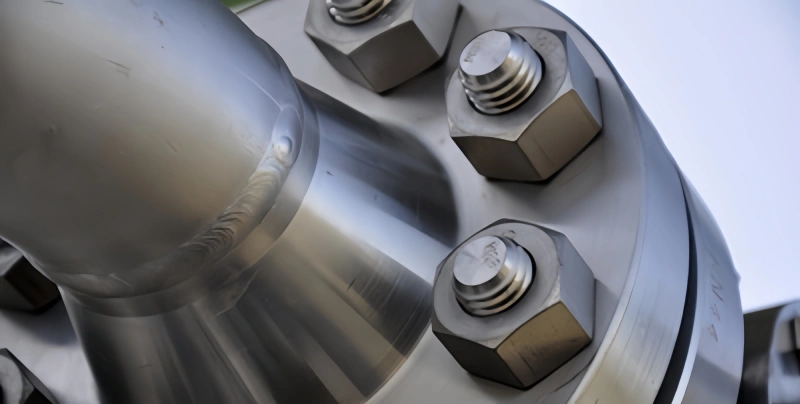
You need to understand what a flange pressure class means before you select the right component for your oil and gas system. Flange pressure classes define the maximum pressure a flange can safely handle at a given temperature.
Industry standards, such as ASME and API, set these ratings to help you match the right flange to your system’s demands. For example, you might see ratings like 150, 300, or 600.
These numbers show the pressure limits for each class. Higher numbers mean the flange can withstand higher pressures and temperatures. When you choose the correct class, you protect your equipment and your team from leaks or failures.
Units and Terminology
You will see different units and terms when you compare flange classes. The most common units include:
- ANSI/ASME classes, such as 150, 300, and 600.
- DIN PN ratings, like PN6, PN10, and PN16.
- EN metric PN ratings, which are similar to DIN.
- JIS ratings, such as 10K or 16K.
These units tell you the maximum pressure a flange can handle at specific temperatures. ASME uses inch-based pressure classes, while EN and DIN use metric PN ratings.
You must understand these differences to ensure you select compatible flanges for your system. Standards like ANSI/ASME and DIN help you maintain safety and reliability in your piping network.
Tip: Always check the standard and rating before mixing flanges from different systems. This step prevents mismatches and ensures a secure connection.
Why Flange Pressure Class Matters for Safety?
You cannot overlook the importance of flange pressure classes in oil and gas operations. The right class keeps your system sealed under pressure, even in harsh environments. If you use a flange with a lower rating than your system requires, you risk leaks, blowouts, or catastrophic failures.
These incidents can cause injuries, environmental damage, and costly downtime. By following industry standards and selecting the correct flange class, you ensure your system operates safely and efficiently. You also meet regulatory requirements and protect your investment.
Standard Flange Pressure Class and Industry Standards
You need to understand the main global standards before you select flanges for oil and gas systems. Each region uses its own set of standards, which define pressure ratings, dimensions, and material requirements. These standards help you ensure safety, compatibility, and reliability in your operations.
Here is a comparison of the most common flange standards:
| Flange Standard | Common Regions | Key Features |
|---|---|---|
| ANSI/ASME | US, Americas | NPS + Class; pressure–temperature tables by material group |
| API | Global (oil & gas) | High-pressure, high-temperature; strict oilfield specs |
| DIN/EN 1092-1 | Europe, EN-adopting | DN/PN + flange types; European facing forms |
| JIS B2220 | Japan, Southeast Asia | Nominal size “A” and K series; Japanese equipment focus |
You will see that each standard uses a different system for pressure ratings and sizing. For example, ANSI/ASME uses “Class” numbers, DIN and EN use “PN” ratings, and JIS uses “K” ratings. These differences mean you cannot mix flanges from different standards without risking leaks or failures.
Note: Always match flanges and bolts to the same standard. Mixing standards can cause dangerous mismatches in bolt patterns and pressure ratings.
Alienfrac’s API Flanges meet both API and ASME standards. You can use these flanges in high-pressure, high-temperature oil and gas applications.
The design follows strict industry standards, so you get reliable performance even in the toughest environments. These flanges handle pressures up to 20,000 psi, making them ideal for critical systems.
When you select a flange, you must consider both the pressure and temperature ratings. Standards like ASME B16.5 provide pressure–temperature charts. These charts show that allowable pressure drops as temperature rises. You need to check these charts to avoid over- or under-specifying your system.
Here is a quick look at why you cannot interchange standards:
| Standard | Pressure Rating System | Notes |
|---|---|---|
| JIS | K (kg/cm²) | Not directly compatible with ANSI or DIN |
| ANSI | Class (psi) | Needs careful conversion to JIS or DIN |
| DIN | PN (bar) | Different dimensions; not interchangeable |
You must follow industry standards to ensure safety and compliance. Always consult the correct tables and select flanges that match your system’s requirements.
Factors Affecting Flange Pressure Class Selection
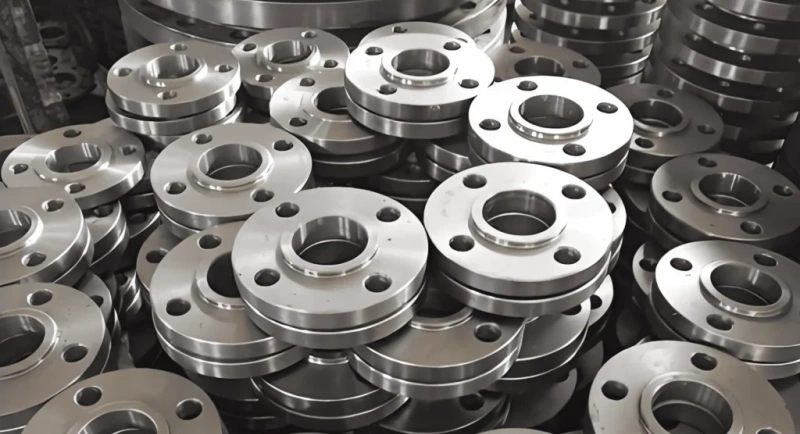
You must consider several key factors when selecting the right flange pressure class for your oil and gas system. Each factor plays a critical role in ensuring the safety, reliability, and compliance of your operation.
- Operating Conditions
You need to evaluate the type of fluid or gas, the operating temperature, and the internal pressure. These conditions determine the pressure class you require. For example, higher temperatures usually reduce the maximum pressure a flange can handle. If you operate at extreme temperatures or pressures, you must choose a flange that matches those demands. The mechanical properties of the flange material also change with temperature, so you must select materials that maintain strength and integrity under your specific conditions. - Material Compatibility
You should always match the flange material to the fluid or gas in your system. Some fluids can cause corrosion or chemical reactions with certain metals. Using the wrong material can lead to leaks or failures. Stainless steel, carbon steel, and special alloys each offer different levels of resistance to pressure, temperature, and corrosion. - Regulatory Compliance
You must follow industry codes and standards such as ASME, API, ISO, and OSHA. These regulations protect your operation from legal penalties and ensure safety during audits and inspections. Certification and proper documentation of your flange pressure class are often required for compliance. - Safety Margins
You should never operate flanges near their design limits. Building in a safety margin helps prevent unexpected failures and costly repairs. Properly rated flanges protect your team and critical infrastructure, supporting continuous and reliable operations.
Tip: Always document your selection process and keep records of certifications. This practice supports safety audits and helps you maintain compliance with industry standards.
By considering these factors, you ensure that your flange selection supports both the performance and safety of your oil and gas system.
Selecting the Right Flange Pressure Class
You need a systematic approach when you select the correct flange ratings for your oil and gas system. The right flange pressure rating ensures your system operates safely and efficiently, even under extreme conditions. Follow these steps to make the best selection for your application:
- Confirm Design Temperature and Pressure
Start by identifying the maximum temperature and pressure your system will face. These values set the baseline for your flange ratings. For example, if your pipeline operates at 500°F, you must know how this affects the pressure rating of your chosen flange. - Consult Pressure-Temperature Rating Tables
Use ASME B16.5 or B16.47 pressure-temperature charts to match your operating conditions with the correct flange pressure rating. These tables show how much pressure each class can handle at different temperatures. For instance, a Class 150 flange can support about 285 psi at 100°F but only 170 psi at 500°F. Higher classes, such as 600 or 900, use thicker flanges and stronger bolting to withstand more stress. - Apply Safety Factors
Never select a flange rating that matches your maximum operating pressure exactly. Always choose a class that exceeds your system’s highest expected pressure by at least 25%. Many engineers use a safety margin of 1.5 to 2.0 times the maximum working load. This practice protects your system from unexpected surges or changes in conditions. - Select the Flange Class
After you check the tables and apply safety factors, pick the flange class that meets or exceeds your requirements. Alienfrac’s API Flanges offer a wide range of options, including classes up to 20,000 psi. You can find weld neck, threaded, and blind flanges designed for high-pressure and high-temperature service. - Consider Future System Changes
Plan for possible increases in system pressure, temperature, or capacity. Choose a flange pressure rating that can accommodate future upgrades or expansions. This approach reduces the risk of costly replacements and downtime.
Tip: Always document your selection process. Keep records of your calculations, rating tables, and certifications. This practice supports safety audits and helps you maintain compliance.
Best Practices for Flange Ratings Selection
You can improve your selection of a flange by following industry best practices. These strategies help you maintain safety, reliability, and flexibility in your operations.
| Best Practice | Description |
|---|---|
| Develop a master set of piping classes | Create a single, modifiable set of piping classes to align with industry and corporate requirements. |
| Perform piping cross-references | Define corporate requirements for piping systems before cross-referencing to ensure compatibility and compliance. |
| Regularly update internal standards | Assign a subject matter expert to review and reaffirm content to maintain alignment with industry best practices. |
- Apply security variables of 1.5 to 2.0 times the maximum working load when selecting fittings.
- Anticipate potential increases in system weight or temperature due to handling changes or capacity expansions.
How to Use Alienfrac’s API Flanges for Reliable Selection?
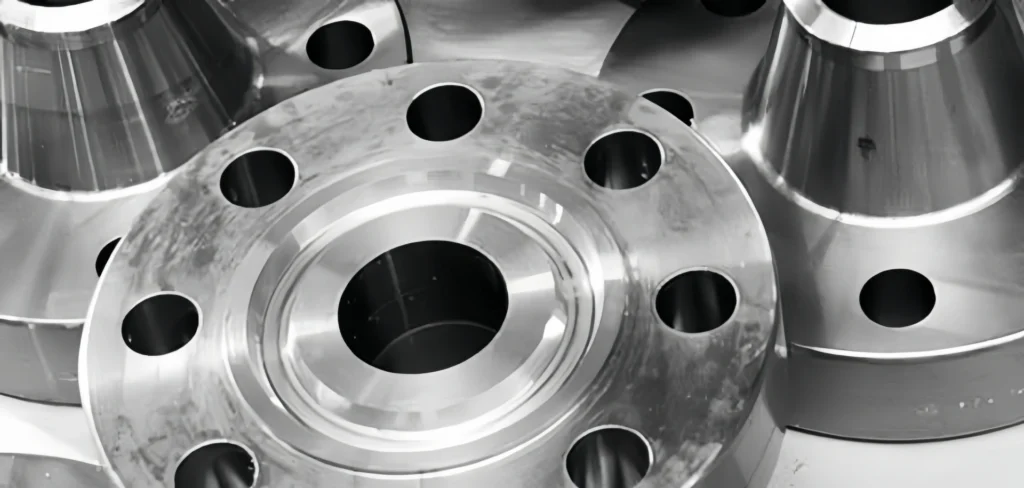
Alienfrac’s API Flanges simplify the selection process. You can choose from a variety of flange ratings, materials, and sizes to match your system’s needs. Each flange meets strict API and ASME standards, ensuring reliable performance in high-pressure environments.
When you select Alienfrac, you gain access to technical support and detailed documentation for every product.
Note: Always verify that your flange ratings match the requirements of your piping system and the standards in your region. Never mix flange ratings from different standards.
You can train your team to follow this stepwise process:
- Confirm design temperature.
- Confirm design pressure.
- Check the ASME rating table.
- Select the correct class.
This method ensures you make informed decisions and maintain system integrity. The right selection of a flange pressure rating protects your investment and supports safe, efficient operations.
Application Examples and Best Practices
You face many challenges when selecting pressure classes for oil and gas systems. In one offshore drilling project, engineers chose Alienfrac’s API Flanges for a high-pressure manifold. The system operated at 15,000 psi and temperatures above 400°F.
You must select pressure classes that match these extreme conditions. The team used weld neck flanges because they handle thermal expansion and vibration well. This decision prevented leaks and unplanned shutdowns.
In another application, a refinery upgraded its process lines to handle more corrosive fluids. You need to consider both the fluid type and the pressure classes required. The engineers selected stainless steel API Flanges from Alienfrac.
These flanges provided resistance to corrosion and maintained integrity under fluctuating pressures. You can see how the proper selection of pressure classes ensures safe and reliable operation.
You must also follow best practices for maintenance to keep your flange assemblies safe over time. Regular inspection and testing help you detect issues before they become failures. The table below outlines essential maintenance practices for pressure classes in critical service:
| Maintenance Practice | Description |
|---|---|
| Condition-based maintenance | Use ultrasonic thickness testing and visual inspections to check integrity. |
| Periodic reviews | Reassess flange suitability with operational changes and update as needed. |
| Gasket selection | Match gasket type to flange class for optimal sealing. |
| Bolting requirements | Use the correct bolt material and torque for each pressure class. |
| Hydrotesting | Test at 1.5x maximum allowable working pressure to confirm integrity. |
| Traceability | Keep material test reports for critical applications. |
| Inspection of flange assemblies | Check flange face, gaskets, and alignment regularly. |
You should always document maintenance activities and keep records of all pressure classes used in your system. This approach supports audits and helps you maintain compliance with industry standards. When you follow these best practices, you extend the life of your flanges and protect your investment.
Common Pitfalls and Safety Tips
Risks of Incorrect Flange Pressure Class
You face several risks when you select the wrong flange pressure class for your oil and gas system. Many engineers confuse the different classes, which can lead to mismatches in face type or errors in bolting. These mistakes often cause leaks or joint failures.
You might also see procurement pitfalls if you do not double-check specifications. Choosing the wrong material for your flange can result in corrosion and leakage. If you ignore the operating environment, you risk rapid degradation of the flange.
Failing to understand material specifications can compromise both quality and safety.
Here are some common pitfalls you should avoid:
- Confusing the different classes during selection
- Using mismatched face types between flanges
- Selecting incorrect bolts for the chosen classes
- Overlooking the importance of material compatibility
- Not considering the common uses of different flange classes in your application
You must remember that each pressure class has specific limits. If you exceed these limits, you increase the risk of system failure. Always match the flange to the system’s maximum pressure and temperature.
Ensuring System Safety
You can ensure system safety by following a few key steps. First, always select the correct flange pressure class for your application. This choice determines the maximum allowable working pressure based on temperature. You should double-check all specifications when ordering flanges and pipes.
During installation, examine each flange and pipe for size compatibility and check for deviations from the required classes.
Follow these safety tips to prevent failures:
- Conduct regular maintenance and inspections to check for leaks or signs of wear.
- Make sure the selected flange meets or exceeds the system’s maximum pressure and temperature.
- Use specialized tools to align flanges before bolting.
- Visually inspect for proper alignment during assembly.
- Monitor system pressure and temperature to keep them within safe limits.
- Understand the common uses of different flange classes to avoid mismatches.
You should also check for corrosion, pitting, or gasket degradation during inspections. Continuous monitoring helps you catch problems early. By following these steps, you maintain the integrity of your system and extend the life of your flanges.
Proper selection and regular inspection of classes keep your operations safe and reliable.
Conclusion
You improve safety and reliability in oil and gas systems when you select the correct flange pressure class. Following standards like API, OSHA, and ISO reduces risks and supports compliance:
| Standard | Impact on Safety and Reliability |
|---|---|
| OSHA | Reduces workplace injuries and fatalities through safety protocols and training programs. |
| API | Ensures equipment and operational safety through industry-specific standards and regular inspections. |
| ISO | Promotes continuous improvement and risk management through global standards and audits. |
Expert consultations help you match flange classes to your application. Trusted products like Alienfrac API Flanges deliver leak-free operation and long-term value. Use this checklist for safe, compliant selection and maintenance:
- Confirm design data and documentation.
- Check material selection and compliance.
- Review dimensional tolerances.
- Perform stress and load analysis.
- Verify nozzle and flange reinforcement.
- Assign proper welding procedures.
- Plan inspection and testing.
Regular reviews and expert advice protect your investment and keep your system running safely.
FAQ
How do you identify flange class in pipeline systems?
You identify the flange class by checking the markings on the flange body. Use the flange class chart to match these markings with the correct pressure ratings. Always verify the rating against your pipeline system’s requirements for safety and reliability.
What is the best way to determine flange class for high-pressure pipeline systems?
You determine flange class by reviewing your pipeline’s maximum pressure and temperature. Consult the flange class chart and pressure ratings tables. Select a flange that exceeds your highest expected pressure. This ensures reliability and safety in all pipeline systems.
Why do pressure ratings matter for pipeline systems?
Pressure ratings set the limits for safe operation in pipeline systems. If you exceed these ratings, you risk leaks or failures. Always match the flange rating to your pipeline’s maximum pressure to protect your pipes and maintain reliability.
Can you mix DIN standard flanges with European Norm or ASME flanges in industrial applications?
You should not mix DIN standard flanges with European Norm or ASME flanges. Each uses different pressure ratings, dimensions, and bolt patterns. Mixing flanges can cause leaks or failures in pipeline systems. Always use compatible flanges for industrial applications.
Where can you find reliable flange class charts and technical support?
You can find reliable flange class charts and technical support on Alienfrac’s website. The site provides detailed pressure ratings, flange selection guides, and expert help for pipeline systems. This ensures you choose the right flange for your application.
