
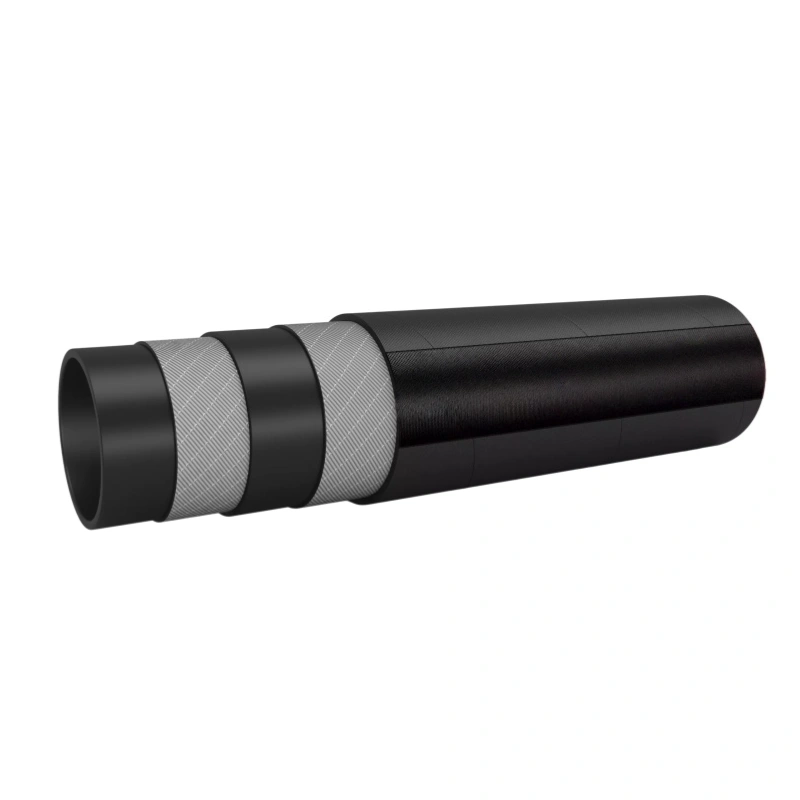
When you select the right concrete pump hose length, you help your project run smoothly and safely. You should consider the demands of your construction site, the type of pump you use, and the properties of your concrete. Standard and custom hose options both play a role.
Expert suppliers like Alienfrac can guide your choices. Focus on solutions that offer easy operation and simplify long-term maintenance.
Key Takeaways
- Choose the right concrete pump hose length to enhance construction efficiency. Shorter hoses improve flow and reduce energy use.
- Prioritize safety by selecting a hose length that minimizes risks of kinking and tripping hazards on the job site.
- Regularly inspect and clean your concrete pump hose to prevent wear and blockages. This maintenance extends the hose’s lifespan.
- Consult with expert suppliers like Alienfrac for tailored hose solutions that fit your specific project needs.
- Balance efficiency and maneuverability by matching hose length to your construction site layout and pump capabilities.
Why Concrete Pump Hose Length Matters?
Efficiency Impact
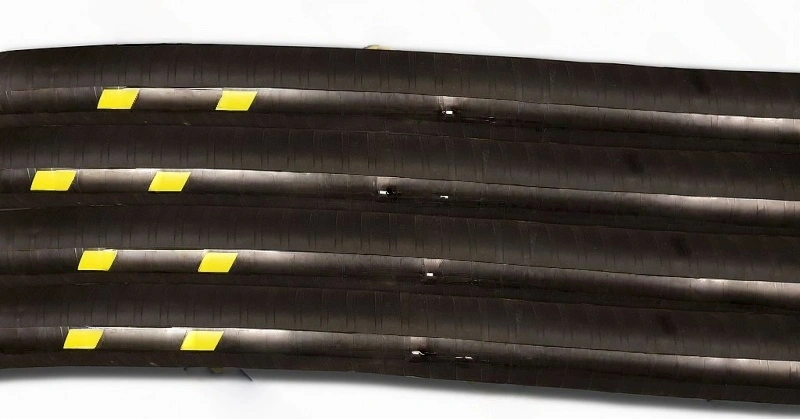
You need to pay close attention to the concrete pump hose length when you want to boost construction efficiency. Research shows that shorter hoses improve transmittance at resonance frequencies, which helps your hydraulic system work better.
When you use a shorter hose, you reduce capacitance and increase dynamic pressure amplitudes. This means your concrete pump hose delivers concrete more efficiently. On the other hand, longer hoses create more damping and lower natural frequencies, which can slow down your work.
Studies also reveal that the length of the pumping circuit directly affects pumpability. If you use a longer hose, you will need higher pressure and flow rates to move the concrete. This can make your project less efficient and increase energy use.
You should always match the hose length to your site’s needs to keep construction efficiency high.
Safety Factors
Safety should always guide your decisions on concrete pump hose selection. The right length helps you control the flow of concrete and reduces the risk of hose movement or bursts. If you use a hose that is too long, you may face more chances for kinking or tripping hazards on the job site.
Proper hose length lets you keep the work area clear and safe for your team. You also lower the risk of sudden pressure changes, which can cause accidents. Always check your site layout and choose a hose that supports both safety and smooth concrete delivery.
Maintenance Considerations
You must consider maintenance when choosing your concrete pump hose. The length of the hose affects how often you need to inspect, clean, and support it. The table below outlines common maintenance challenges for different hose lengths:
| Maintenance Challenge | Description |
|---|---|
| Wear and Tear | Regular inspection is necessary to identify and replace damaged sections to prevent larger issues. |
| Clogging | Neglecting cleaning can lead to concrete build-up, causing blockages, which may vary with hose length. |
| Increased Friction | Longer hoses may experience more friction, which can reduce pressure at the nozzle. |
| Kinking | Longer hoses are particularly vulnerable to kinking, especially in outdoor conditions. |
| Need for Accessories | Support rollers or bend restrictors can help manage stress on longer hoses at bending points. |
You should inspect your concrete pump hose often, especially if you use longer hoses. Cleaning after each use prevents concrete build-up and keeps your system running smoothly.
Accessories like support rollers can help you manage stress and extend hose life. By choosing the right hose length, you make maintenance easier and keep your concrete pump hose in top condition.
Standard Hose Lengths & Applications
Common Lengths Overview
You will find that the construction industry relies on several standard options for concrete hose length. These options help you match the right hose to your project’s needs. The most common lengths range from short hoses for tight spaces to extra-long hoses for special applications.
The table below summarizes typical hose lengths and their main uses:
| Length (meters) | Typical Application Description |
|---|---|
| 3 | Standard for limited space or precise control |
| 2, 1.5, 1 | Medium lengths for routine projects |
| 4 | Longer for a larger working radius |
| 6 and above | Extra-long for special occasions, with pressure loss considerations |
You should remember that flexible concrete pump hoses usually range from 3 to 12 feet. Shorter hoses, such as 3 to 6 feet, give you better maneuverability in tight areas. Longer hoses, like 8 to 12 feet, help you reduce the number of connections and improve the flow of concrete.
Tip: Always check the manufacturer’s recommendations for each concrete hose length to ensure safe and efficient operation.
Usage Scenarios
You need to choose the right length for each construction scenario. Here are some common examples:
- For high-rise buildings, you often use kits with up to 150 feet of 2½-inch hose and a smooth-bore nozzle. This setup helps you deliver concrete to higher floors efficiently.
- In residential projects, industry standards such as NFPA 14 limit the maximum hose length in Class II systems to 100 feet. This ensures you have enough hose stations for safe and effective concrete delivery.
- For routine commercial jobs, medium-length hoses (1 to 3 meters) offer a balance between flexibility and reach. You can move concrete easily without frequent repositioning.
- When you work in confined spaces, shorter hoses give you precise control and reduce the risk of kinking or tripping hazards.
You should always match the concrete hose length to your project’s requirements. This approach helps you maintain safety, efficiency, and proper concrete flow.
Choosing Concrete Pump Hose Length

Site & Layout Assessment
You should start by evaluating your construction site and layout before selecting the right concrete pump hose length. The space available, the complexity of the environment, and the distance between the pump and the placement area all influence your decision.
A narrow or crowded site may require a shorter hose for better maneuverability, while a large open area might benefit from a longer hose to reduce the need for frequent repositioning.
Here is a table to help you assess the main factors:
| Factor | Description |
|---|---|
| Construction space conditions | Narrow or complex environments may require shorter hoses for better maneuverability. |
| Concrete pump model and pressure | Different models have varying pressure capabilities; longer hoses can increase resistance. |
| Concrete characteristics | High viscosity concrete may require shorter hoses or increased pressure due to flow resistance. |
| Construction efficiency needs | Longer hoses can reduce pump truck movements, but excessive length may hinder operation. |
You should also consider the total distance between the pump and the placement point. If your team needs to move around obstacles or reach multiple locations, modular hose setups or adjustable kits can provide flexibility. Alienfrac offers a range of modular and custom hose solutions to help you adapt to any site layout.
Pump & Concrete Evaluation
Next, you need to evaluate your pump’s capabilities and the properties of the concrete mix. The pump’s pressure rating and the type of concrete you use both affect the ideal hose length. For example, a high-pressure pump can handle longer hoses, but you must still account for resistance and potential pressure loss.
- A slump loss of 25 mm per 300 meters of conduit length is typical, influenced by pump pressure and concrete mix characteristics.
- The loss of slump is greater for hose than for pipe, with potential losses reaching 20 mm per 30 meters of hose length.
If you use a high-viscosity concrete or a mix with large aggregates, you may need a shorter hose or higher pump pressure to maintain efficient flow. Always match the hose length to the pump’s output and the concrete’s properties to avoid blockages or excessive wear.
Alienfrac’s technical team can help you analyze your pump and concrete requirements. Their expertise ensures you select a concrete pump hose that delivers consistent performance and minimizes downtime.
Balancing Efficiency & Maneuverability
Finding the right balance between efficiency and maneuverability is essential when choosing a concrete pump hose length. A shorter hose minimizes pressure drop and makes handling easier, especially in tight spaces.
However, a longer hose may be necessary for larger work areas or when you want to reduce the number of pump relocations.
The length of a hose significantly impacts air pressure loss, which is crucial for maintaining efficiency. A shorter hose minimizes pressure drop, enhancing maneuverability, while a longer hose may be necessary for larger workspaces.
For example, using a 1/4″ hose may suffice for small tools, but larger tools like impact wrenches require a 3/8″ or 1/2″ hose to prevent pressure loss. This illustrates the need to balance hose length with the required CFM for optimal performance.
You should avoid using longer hoses than necessary, as this can lead to unnecessary pressure drops and increased wear. Case studies show that site space and pump specifications directly dictate hose length requirements.
For example, a stationary worker may only need a short hose, while a worker who moves frequently requires a longer hose for flexibility.
To help you make the best choice, consider these expert recommendations:
| Recommendation | Details |
|---|---|
| Hose Length | Meeting project-specific requirements impacts reach, setup time, and handling ease. |
| Standard Lengths | Stock common lengths such as 10 feet, 15 feet, and 20 feet for modular configurations. |
| Adjustable Kits | Offer adjustable or extendable hose kits for customized reach without compromising integrity. |
| Support for Longer Hoses | Longer hoses may need additional support brackets to prevent sagging and reduce wear at connection points. |
Tip: Avoid common mistakes such as ignoring bend radius, overlooking pressure surges, or treating the hose as an isolated component. Always consider the entire system, including the pump, hose, and concrete mix.
Alienfrac provides tailored solutions for every project. Their team can recommend the best concrete hose for construction, whether you need a standard concrete placement hose or a custom configuration.
By working with a trusted supplier, you ensure your concrete pump hose length matches your site, pump, and material needs for safe and efficient concrete delivery.
Custom Solutions & Supplier Consultation
Custom Length Options
You may find that standard concrete pump hose lengths do not always fit your project’s needs. Many construction sites require customized length solutions to handle unique layouts or challenging environments.
Suppliers like Alienfrac offer a wide range of options to help you achieve the right fit for your job. You can choose from standard lengths or request a customized hose to match your exact length specifications.
Recent advancements in concrete pump hose design have made it easier to tailor hoses to your requirements. New materials and digital systems allow you to select hose lengths that align with your pump’s capacity and your project’s demands. This technology ensures you get optimal performance and safety on every job.
The table below shows the options available from suppliers like Alienfrac:
| Standard Lengths | Customization Options |
|---|---|
| 10 feet | Adjustable kits available |
| 15 feet | Extendable hose kits |
| 20 feet | Custom lengths upon request |
You can see that you have the flexibility to order a flexible concrete hose in standard or customized lengths. Adjustable and extendable kits give you even more control over your setup.
When you need a hose that fits a specific space or application, you can rely on these customized length solutions to deliver the right results.
Note: Custom hoses may have different cost implications compared to standard options. You should always review your project’s budget and requirements before making a decision.
Modular & Segmented Systems
You can improve your concrete delivery system by using modular and segmented hose setups. These systems let you adjust hose length on-site, which is especially useful when your project layout changes or when you need to reach multiple locations.
Modular hoses connect easily, so you can add or remove segments as needed.
This approach gives you several benefits:
- You can reduce downtime by quickly adapting to new length specifications.
- You can minimize the risk of kinking or excessive wear by using only the length you need.
- You can simplify maintenance because you can replace individual segments instead of the entire hose.
When you compare costs, standard hoses often come with bulk discounts, while custom hoses may have higher costs unless you order in large quantities. The table below outlines the cost factors:
| Cost Factor | Standard Lengths | Custom Lengths |
|---|---|---|
| Cost-per-cubic-meter | Lower due to bulk pricing | Potentially higher if not ordered in bulk |
| Bulk Discounts | 30-60% off at 500+ meter orders | Not applicable unless ordered in bulk |
| Total Ownership Costs | Generally lower for standard hoses | May be higher due to customization |
You should weigh these factors when deciding between standard and customized hoses. Modular systems can help you control costs by letting you use standard segments for most jobs and only adding custom pieces when necessary.
Alienfrac Support & Advice
Alienfrac stands out as a trusted supplier for concrete pump hoses. You can count on their expertise to help you select the right hose for your project. Their team understands the importance of matching hose length specifications to your site’s needs.
They offer a full range of products, including built-in frac hoses, crimped frac hoses, high-pressure cement hoses, rotary drilling hoses, and more.
You can reach Alienfrac for technical support, product recommendations, or to discuss customized solutions. Their engineers can guide you through the process of choosing the best hose for your pump, concrete mix, and site layout.
They also provide advice on modular and segmented systems, helping you achieve the most efficient and safe setup.
Tip: For tailored advice or to request a quote, contact Alienfrac at alienfrac@qingflexgroup.com or call +86 13006527359. You can also explore their full product range at https://alienfrac.cn/.
Alienfrac’s commitment to quality and innovation ensures you receive reliable hoses that meet the demands of modern construction. When you need a customized or flexible solution, their team delivers the support and products you require for success.
Hose Use & Maintenance Tips
Inspection & Wear Checks
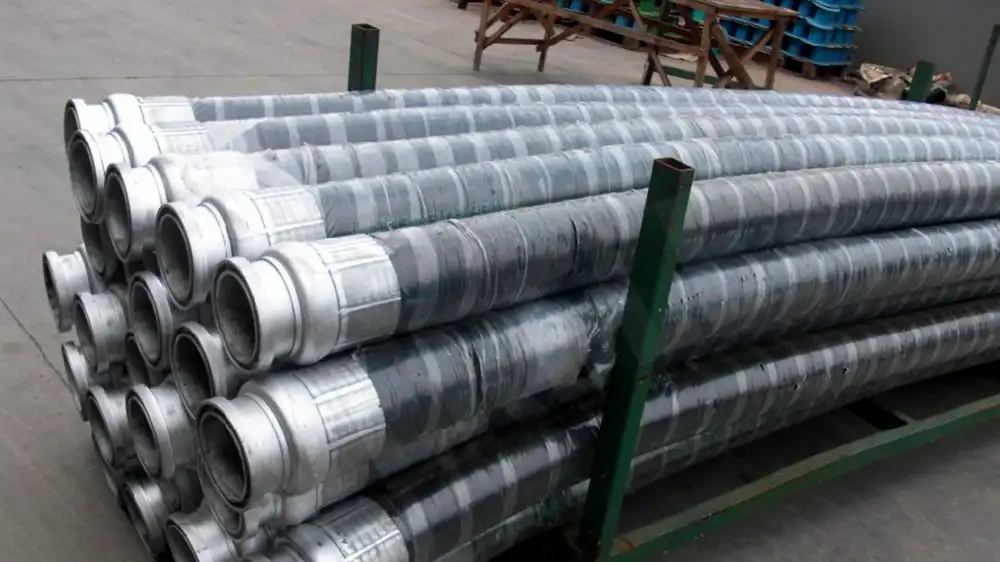
You should inspect your concrete pump hose before every use. Regular checks help you spot early signs of wear and prevent unexpected failures. Focus on these common issues:
- Wear and tear from high-pressure pumping or repeated bending.
- Clogging, especially with thicker concrete mixes.
- Leaks caused by rubber deterioration or impact.
- Inflexibility, which can lead to kinking and flow restriction.
- Incorrect hose size, which reduces efficiency and may cause damage.
- Environmental factors like extreme temperatures or UV exposure.
- Lack of proper maintenance, which increases all risks.
Use this table as a quick reference for inspection:
| Inspection Area | Guidelines |
|---|---|
| Outside Cover | Check for bulges, folds, kinks, soft spots, cracks, tears, and missing material. |
| Inner Liner | Look for localized wear, exposed reinforcement, and excessive concrete residue. |
| Metal Ends | Inspect for bell-mouthing, wear patterns, and visibility of the hose through the ferrule inspection hole. |
Handling & Support
Proper handling extends the durability of your concrete hose. You should:
- Store hoses in a dry place, away from water and sunlight.
- Rotate hose usage to prevent continuous wear on one segment.
- Use larger diameter hoses to reduce friction and abrasion.
- Install protective sleeving on sections that rub frequently.
- Avoid sharp bends to prevent internal collapse.
- Gently position hoses on a supporting cradle.
- Keep hoses at a safe distance when pressurized.
- Always use personal protective equipment during handling.
These steps help you maintain hose flexibility and maximize durability.
Cleaning Procedures
You must clean your concrete hose immediately after each use. Start by flushing the hose with water to remove wet concrete. For stubborn residue, use a specialized cleaning solution before a final water washout. Make sure the interior dries completely to prevent moisture buildup.
Regularly check couplings, clamps, and fittings for rust, wear, or damage. Neglecting cleaning can lead to hardened concrete inside the hose, which weakens the rubber lining and reduces durability.
Tip: Consistent cleaning is a key part of correct use and maintenance. It keeps your hose ready for the next job and extends its service life.
Alienfrac Maintenance Recommendations
Alienfrac recommends a strict maintenance routine for all concrete hoses. Their guidelines focus on regular inspection, proper storage, and immediate cleaning after every use. You should follow these steps to ensure maximum durability and safety.
Alienfrac hoses are designed for tough environments, but correct use and maintenance will help you get the best performance and value. For more detailed maintenance support, consult Alienfrac’s technical team or refer to their official product manuals.
Conclusion
You improve every concrete project when you select the right concrete pump hose length. Start by matching hose length to your site layout, pump type, and concrete mix. You boost efficiency and safety when you avoid excessive hose length and check for proper fit.
You extend the life of your concrete hose with regular inspection and cleaning. For best results, follow these maintenance tips:
- Avoid sharp bends in your concrete hose.
- Store concrete hoses indoors and away from sunlight.
- Inspect your concrete hose before each use.
- Replace concrete hoses before failure.
- Cap concrete hose ends to keep out dirt.
You can always consult Alienfrac for expert advice and custom concrete hose solutions. When you focus on ongoing maintenance and safe practices, you maximize concrete hose performance and lifespan.
FAQ
What factors determine the best concrete pump hose length for my construction project?
You should evaluate your construction site layout, pump type, and concrete mix. Consider obstacles, reach, and maneuverability. Consult with suppliers like Alienfrac for tailored recommendations. Proper hose length improves construction efficiency and safety.
How does hose length affect concrete flow during construction?
Longer hoses increase resistance and may reduce pressure at the nozzle. Shorter hoses improve flow and control. You should match hose length to your construction needs for optimal performance and minimal blockages.
Can I use modular hoses for flexible construction layouts?
Yes, modular hoses allow you to adjust length on-site. This flexibility helps you adapt to changing construction requirements. You can add or remove segments as needed, which saves time and reduces downtime.
How often should I inspect hoses on a construction site?
You should inspect hoses before every use. Look for wear, kinks, or leaks. Regular checks prevent failures and keep your construction project running smoothly. Follow supplier guidelines for maintenance.
Where can I get expert advice on hose selection for construction?
You can contact Alienfrac for expert support. Their team understands construction challenges and offers solutions for hose selection, maintenance, and customization. Visit their website or reach out by email or phone for assistance.
Tip: Always prioritize safety and efficiency in every construction project by choosing the right hose length.
