
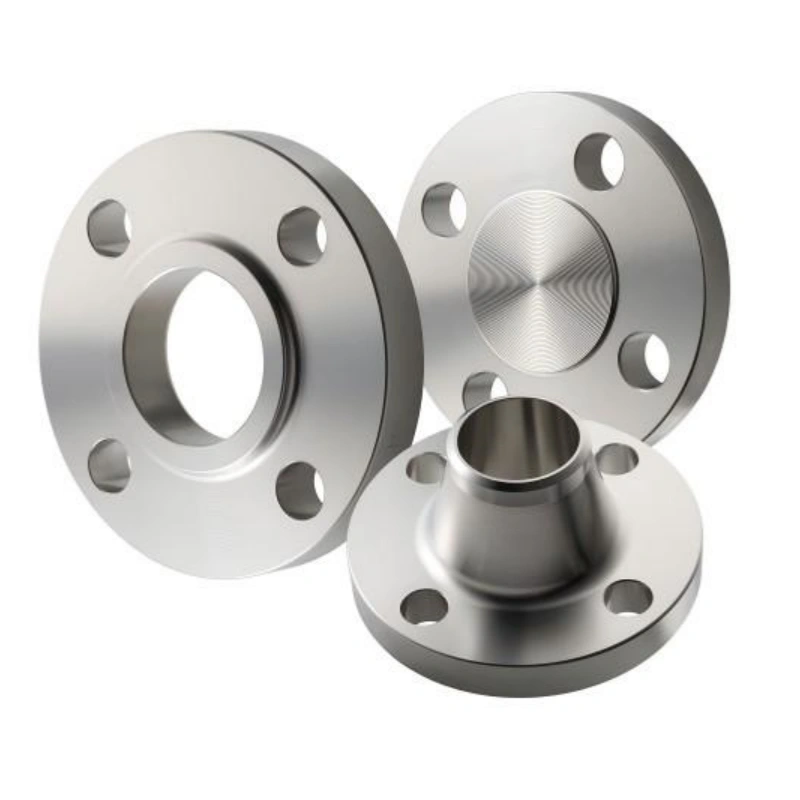
Flange design stands at the core of industrial infrastructure, especially in high-pressure environments. A flange connects and seals pipelines and equipment, forming a vital barrier against leaks and failures.
- Flange design ensures leak-proof connections that withstand extreme pressure and environmental stress.
- It strengthens mechanical stability and compatibility, raising safety in industrial systems.
- Robust flanges help lower maintenance costs and reduce wasted resources.
Standards, material selection, sealing, and mechanical factors all influence performance. Alienfrac delivers high-quality API flanges for demanding applications, setting new benchmarks for reliability.
Key Takeaways
- Flange design ensures safe, leak-proof connections that withstand high pressure and harsh conditions, protecting people and the environment.
- Choosing the right materials and following international standards improves flange durability and system reliability.
- Proper gasket selection, surface finish, and bolt tightening techniques prevent leaks and extend flange service life.
- Innovations like smart flanges and automation enhance monitoring, maintenance, and production efficiency.
- Selecting a reliable vendor with customization options and fast delivery supports project success and infrastructure growth.
Why Flange Design Matters?
Safety and Reliability
Flange design plays a critical role in pipeline safety. A well-designed flange ensures strong and secure connections, preventing leaks in pressurized systems. This reliability is essential for pipelines that transport hazardous materials.
Flanges allow for easy assembly and disassembly, which improves maintenance efficiency and reduces downtime during repairs. They withstand extreme conditions because manufacturers select materials for durability, increasing the lifespan of the pipeline.
Proper flange design maintains flow efficiency, preventing pressure drops and turbulence.
| Factor | Typical Range / Value | Effect on Flange Joint | Field Indicators |
|---|---|---|---|
| Thermal cycling | 20–200 °C swing | Bolt preload loss of 10–25% per cycle | Need for re-torque after initial use |
| Mechanical vibration | 5–200 Hz | Self-loosening of bolts after ~10⁶ cycles | Backed-off nuts, fretting dust |
Neglecting proper practices, such as reusing gaskets or skipping bolt inspection, increases the risk of leaks and failures. Using uncalibrated tools or ignoring standard guidance can compromise the entire pipeline system.
Economic and Environmental Impact
Flange failures can lead to significant economic losses. Corrosion alone costs the U.S. economy billions each year, with a large portion linked to pipeline and equipment failures. Safety hazards from leaks may cause fires, explosions, or injuries.
Environmental damage from flange leaks can release toxic chemicals and gases, leading to soil, water, and air pollution. These incidents often result in regulatory fines and harm to company’s reputation.
Production losses occur when unplanned shutdowns are needed for repairs, reducing revenue. Increased maintenance costs and equipment damage also add to the financial burden.
- Flange leaks increase danger to personnel.
- They can lead to legal risks and compliance issues.
- Using corrosion-resistant materials reduces maintenance expenses and extends equipment life.
Urbanization and Infrastructure Growth
Urbanization and industrial growth drive the demand for advanced flange solutions. As cities expand, infrastructure projects require reliable pipeline connections to support utilities, energy, and water systems. Flanges serve as essential components in these systems, connecting equipment and ensuring project integrity.
| Evidence | Description |
|---|---|
| Flanges Role | Flanges connect equipment, ensuring integrity and efficiency in infrastructure projects. |
| Urbanization Impact | Rapid urbanization sustains high demand for critical components like flanges. |
| Infrastructure Development | Global infrastructure growth surges the need for reliable, high-quality flanges. |
Modern infrastructure relies on robust pipeline networks. High-quality flange design supports safe, efficient, and sustainable development in growing urban environments.
Flange Design Basics
What Is a Flange?
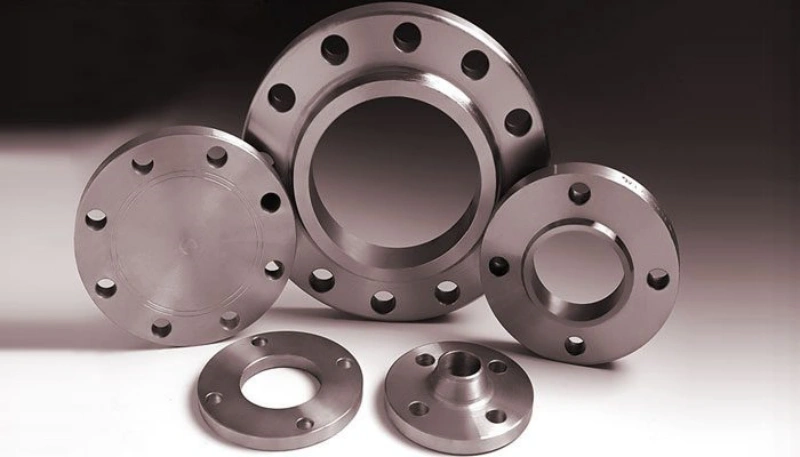
A flange serves as a mechanical component that joins pipes, valves, pumps, and other equipment. This connection creates a secure seal, which prevents leaks and maintains system integrity. Flange design focuses on several mechanical principles that ensure safety and reliability in industrial systems.
- A leak-tight connection remains essential to prevent safety hazards and environmental pollution.
- Pressure-temperature ratings depend on material, thickness, and bolt hole design.
- Material selection must withstand pressure, temperature, and chemical exposure.
- Bolt hole design ensures proper alignment and even distribution of clamping force.
- Gasket design matches the flange type and operating conditions to prevent leakage.
- Surface finish must be smooth for effective sealing with gaskets.
- Standardization allows compatibility between flanges from different manufacturers.
- Quality control involves strict testing to meet design requirements.
These principles guide effective flange design, ensuring each connection performs under demanding conditions.
Types and Connection Methods
Industrial systems use several types of flanges, each with unique features and applications. The selection of flange type and connection method depends on system requirements, pressure ratings, and maintenance needs.
| Flange Type | Characteristics & Uses |
|---|---|
| Weld Neck Flange | Common in high-pressure systems; long neck for butt weld; used in oil and gas; suited for large diameters. |
| Slip-on Flange | Easy to install; allows pipe length adjustment; used in shipbuilding and construction; suited for lower pressure. |
| Socket-weld Flange | Suitable for high pressure and temperature; used in power generation and chemical processing; good for small pipe sizes and limited space. |
| Threaded Flange | Easy installation; used in low-pressure applications; connects via female NPT thread; useful where welding is limited. |
| Blind Flange | Used to close pipe ends; important for safety and leak prevention in hazardous industries; may have raised face or hub. |
| Lap Joint Flange | Easily disassembled; used where frequent maintenance is needed (e.g., food and beverage); backing flange can rotate; available in slip-on and butt-weld types. |
The method of flange connection affects sealing performance and system reliability. Key factors include bolt preload, gasket performance, and sealing surface type.
| Factor | Description | Impact on Sealing Performance |
|---|---|---|
| Bolt Preload | Bolt preload compresses the gasket to create the initial seal. Increasing preload increases contact pressure, but excessive preload can damage the gasket. | Proper preload ensures gasket contact and resilience, improving sealing; uneven preload reduces effectiveness. |
| Gasket Performance | Gasket types include non-metallic, metallic, and combined. Material must deform elastically without crushing and resist operating conditions. | Correct gasket choice and width affect sealing by maintaining contact and resisting medium and temperature effects. |
| Sealing Surface Type | Types include concave-convex and tongue-and-groove surfaces. Concave-convex limits radial deformation; tongue-and-groove protects the gasket from corrosion. | Surface type influences gasket deformation and protection, enhancing sealing, especially under high pressure or corrosive media. |
Proper selection and installation of each connection method ensure a reliable and leak-free system.
Role in Chemical Equipment
Flanges play a vital role in chemical equipment. They connect various components and maintain a secure seal to prevent leaks. In high-pressure systems, flanges must endure significant stress and high temperatures.
The choice of flange type and material remains essential for maintaining system integrity and preventing leaks or failures. Effective flange design supports safe operation and long-term reliability in chemical processing environments.
Tip: Regular inspection and maintenance of each flange connection helps prevent leaks and extend equipment life, especially in chemical plants.
Flange Standards and Compliance
International and API Standards
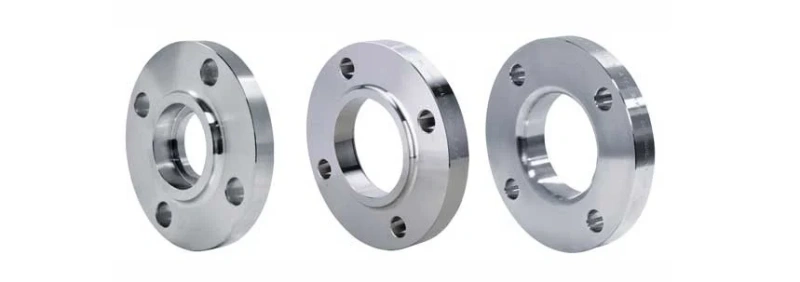
Industry professionals rely on recognized standards to ensure safety and compatibility in flange design. These standards define dimensions, pressure ratings, and testing requirements for flanges used in industrial systems. The most widely adopted standards include:
| Standard | Description |
|---|---|
| ASME B16.5 | Widely used for integral flanges in industrial piping, covering nominal sizes and pressure classes. |
| API 6A | Governs high-pressure applications in oil and gas, including material traceability and testing. |
| EN 1092-1 | European standard for steel flanges, detailing pressure ratings and metric dimensions. |
Alienfrac manufactures API flanges that comply with these international and API standards. Their products meet the requirements of API 6A, API 605, and ASME B16.5, ensuring reliable performance in high-pressure environments.
Dimensional Tolerances
Dimensional tolerances play a critical role in the reliability of flange connections. The ASME B16.5 standard outlines specific tolerances for various dimensions of flanges, which are essential for maintaining the integrity and reliability of piping systems.
These tolerances ensure that flanges from different manufacturers can be assembled correctly, leading to secure and leak-proof connections.
- Gasket failure can occur due to uneven sealing surfaces.
- Bolt misalignment may cause stress concentration.
- Vibration issues often arise in rotating equipment.
- Improper load distribution reduces flange life.
- System leaks can lead to repeated maintenance.
Alienfrac maintains strict control over dimensional tolerances and surface roughness during production. This attention to detail helps prevent leaks and extends the service life of each flange.
Standardization Benefits
Standardization in flange manufacturing and installation brings several advantages:
- Improved compatibility among flanges from different manufacturers.
- Reduced delays during installation and maintenance.
- Enhanced safety and efficiency in industrial applications.
Flange standards create a common framework for design and production. This framework allows companies like Alienfrac to deliver products that integrate seamlessly into global infrastructure projects.
Flange Material Selection
Common Materials
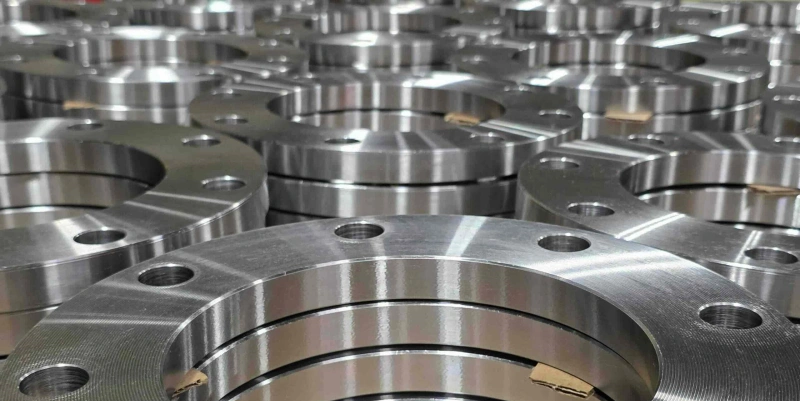
Engineers rely on the right materials to ensure each flange performs under pressure. Alienfrac manufactures API flanges using high-quality options that meet the demands of modern industry. The most common materials include:
- Carbon Steel
- Stainless Steel
- Alloy Steel
- Cast Iron / Ductile Iron
- Specialized Materials such as Nickel Alloys, Duplex and Super Duplex Stainless Steel, Aluminum, Titanium, Copper-Nickel, and Plastics
Alienfrac selects these materials for their strength, durability, and resistance to harsh environments. This approach supports reliable flange connections in oil, gas, and power systems.
Selection Criteria
Material selection plays a key role in flange design. Engineers consider several factors before choosing the best material for a specific application. These factors include corrosion resistance, pressure rating, temperature limits, and cost-effectiveness.
The following table outlines the main features of popular flange materials:
| Material Type | Key Features |
|---|---|
| Stainless Steel | Excellent corrosion resistance, ideal for petrochemicals and pharmaceuticals. |
| Carbon Steel | Known for strength and durability, used in heavy-duty applications. |
| Alloy Steel | Combines strength and corrosion resistance, suitable for extreme conditions. |
| Duplex and Super Duplex Stainless | Enhanced resistance to stress corrosion cracking in harsh environments. |
Pressure rating also influences material selection. For example, carbon steel (ASTM A105) works well for moderate pressures, while stainless steel (ASTM A182 F316/F304) resists corrosion in chemical plants. Alloy steel (ASTM A694 F65/F70) handles high-pressure and high-temperature conditions.
Green and Advanced Materials
Sustainability has become a priority in modern flange design. Manufacturers now use green and advanced materials to improve performance and reduce environmental impact. These materials offer several benefits:
| Feature | Benefit |
|---|---|
| Non-toxic composition | Reduces soil and water contamination risks. |
| High corrosion resistance | Ensures longevity and reliability in various environments. |
| Recyclable materials | Supports circular economy principles and minimizes waste. |
| Energy-efficient production | Lowers greenhouse gas emissions during manufacturing. |
| Mechanical reliability | Meets or exceeds traditional performance standards in tensile strength, pressure ratings, and thermal stability. |
Alienfrac continues to explore advanced alloys and sustainable options to deliver reliable, high-performance flanges for critical infrastructure.
Sealing Principles in Flange Design
Gasket Types and Selection
Gasket selection forms the foundation of effective sealing design in any flange system. Engineers choose the gasket based on pressure, temperature, and media compatibility.
The right gasket prevents leaks and supports the integrity of the flange. The table below outlines the main types of gaskets, their materials, and typical applications:
| Type of Gasket | Materials & Characteristics | Common Applications |
|---|---|---|
| Traditional Gaskets | Non-metallic materials like rubber, PTFE, and graphite; compressible and conformable. | Lower pressure and temperature applications. |
| Semi-Metallic Gaskets | A combination of metal and non-metal; improved resilience and pressure resistance. | Higher pressure and temperature applications. |
| Metallic Gaskets | Made entirely of metal; designed for high-pressure and critical applications. | Oil & gas, petrochemical industries. |
Proper gasket selection ensures that the flange connection remains secure under all operating conditions. Semi-metallic and metallic gaskets often serve in high-pressure environments, while traditional gaskets work well in less demanding systems.
Sealing Surfaces and Roughness
Surface finish plays a key role in sealing design. The roughness of the flange face must match the gasket type to achieve a reliable seal. If the surface is too smooth or too rough, the gasket may fail. The following table shows optimal roughness values for common gaskets and the effects of incorrect roughness:
| Gasket Type | Optimal Roughness (Ra) | Effects of Roughness Levels |
|---|---|---|
| Spiral Wound Gaskets | 3.2 μm to 6.3 μm | Below 3.2 μm: Increased likelihood of gasket creep; Above 6.3 μm: Risk of puncturing filler. |
| PTFE Gaskets | 1.6 μm to 3.2 μm | Below 1.6 μm: Insufficient friction; Above 3.2 μm: Abrasion of PTFE material. |
| Metal Jacketed Gaskets | 2.5 μm to 6.3 μm | Roughness must prevent damage to the metal jacket and ensure even pressure distribution. |
Engineers must always check the flange surface finish before installing the gasket. This step helps maintain the effectiveness of the sealing design.
Leak Prevention
Leak prevention depends on both proper installation and maintenance. Engineers follow a series of steps to ensure the flange remains leak-free:
- Use a torque wrench to minimize error in bolt tensioning.
- Tighten bolts in a crisscross pattern to apply even pressure.
- Center the gasket on the flange surface before tightening.
- Apply the specified lubricant to bolts and washers.
- Re-tighten bolts after the system reaches operating temperature.
Tip: Always use a calibrated torque spanner and follow the manufacturer’s specifications for bolt load. This practice reduces the risk of leaks and extends the service life of the flange.
A robust sealing design combines the right gasket, correct surface finish, and precise installation. These steps help maintain system integrity and safety in every flange connection.
Mechanical Considerations for Effective Flange Design
Bolt and Nut Specs
Engineers must select the right bolts and nuts to ensure a secure flange connection. The bolt design affects the strength and reliability of the joint. Alienfrac API Flanges use high-quality fasteners that meet strict industry standards.
The table below shows typical specifications for bolts and nuts used in these assemblies:
| Specification Type | Material Grade | Nominal Pressure (MPa) | Operating Temperature (°C) |
|---|---|---|---|
| Bolts (M16, Double-headed stud) | 25Cr2MoVA | 0.6 | -20~250 |
| Nuts (Hexagonal nut) | 0Cr19Ni9 | 0.6 | -20~250 |
Proper bolt design includes choosing the correct material, grade, and size. Pre-tensioning the bolts with a calibrated torque wrench helps achieve an even clamping force. This process prevents leaks and extends the service life of the flange.
Tip: Always follow the manufacturer’s recommendations for bolt tightening sequence and torque values to avoid uneven stress.
Load and Pressure Ratings
Every flange must withstand both internal pressure and external loads. Standards such as ANSI/ASME B16.5 and B16.47 specify pressure classes and size ranges for different applications. The assembly’s maximum pressure rating depends on the lowest-rated component.
Engineers calculate the equivalent design pressure by considering internal pressure, axial forces, and bending moments. This comprehensive approach ensures the safety and integrity of the flange assembly.
- Flanges must resist internal pressure and external forces.
- The lowest-rated part limits the assembly’s pressure rating.
- Custom flanges require special design and testing.
Alienfrac API Flanges meet these standards, providing reliable performance in high-pressure environments.
Nominal Diameter Choices
Selecting the correct nominal diameter is essential for effective flange design. Several factors influence this choice:
- Pipe size must match the flange for a proper fit and seal.
- Pressure rating determines the required flange size.
- Material compatibility prevents chemical reactions and system degradation.
- Application requirements, such as temperature and fluid type, affect the selection.
- Compliance with standards ensures safety and reliability.
Engineers consider these factors to ensure each flange connection meets the demands of the system. Alienfrac offers a wide range of sizes to support diverse industrial needs.
Applications of API Flanges by Alienfrac
Oil & Gas Pipelines
API flanges play a vital role in oil and gas pipelines. Engineers use these components to create secure, leak-proof connections that withstand extreme pressure and harsh environments. In the oil and gas industry, flange design must meet strict standards to ensure safety and reliability. Common applications include:
- Wellhead equipment, where flanges connect valves and blowout preventers to maintain tight seals under high pressure.
- Pipeline connections, which transport oil and gas from extraction sites to processing facilities.
- Subsea installations, where flanges maintain secure joints in offshore wellheads under high underwater pressure.
- Manifold systems, which distribute oil and gas flow from multiple wells.
Alienfrac API flanges deliver consistent performance in these demanding settings. Their robust construction and precise machining help operators minimize downtime and reduce maintenance costs.
Chemical and Power Systems
In the chemical sector and power generation, flanges must resist corrosion, high temperatures, and aggressive chemicals. Engineers rely on Alienfrac products to maintain system integrity and prevent leaks.
These flanges support critical applications such as reactor vessels, heat exchangers, and high-pressure steam lines. The use of advanced materials ensures long service life, even in challenging environments. Operators benefit from reliable sealing and easy maintenance, which helps protect both equipment and personnel.
Packed Towers and Industrial Use
Packed towers and other industrial processes require flanges that offer both versatility and safety. Alienfrac API flanges provide standardized connections, making them compatible with a wide range of systems. The table below highlights key advantages:
| Advantage | Description |
|---|---|
| Standardization | ANSI/ASME flanges ensure compatibility across various systems. |
| Pressure-rated connections | Designed to handle specific pressure ratings, enhancing safety in industrial processes. |
| Versatility in applications | Used in a wide range of industrial applications, including packed towers. |
Alienfrac’s commitment to quality and innovation ensures that each flange meets the needs of modern infrastructure, supporting safe and efficient operations across industries.
Challenges and Solutions in Flange Design
Corrosion and Degradation
Corrosion remains a leading cause of flange failure in industrial systems. Aggressive environments often accelerate damage, especially in areas where the gasket meets the flange face. Crevice corrosion can create a path for leaks, while uniform corrosion thins the flange body and reduces strength.
Galvanic corrosion occurs when dissimilar metals come into contact, leading to localized attack. Pitting on the flange face can cause gasket sealing failure and increase the risk of leaks.
| Corrosion Type | Location | Effect |
|---|---|---|
| Crevice | Between the gasket and the face | Surface attack, leakage path |
| Uniform | Flange body, exposed areas | Wall thinning, strength loss |
| Galvanic | Bolt/flange/gasket interfaces | Accelerated localized attack |
| Pitting | Flange face surface | Gasket sealing failure |
Chemical attack and surface irregularities also contribute to degradation. Internal corrosion results from the fluid inside the pipeline, while external corrosion comes from moisture or chemicals in the environment. Engineers select materials and protective coatings to reduce these risks and extend service life.
Installation and Maintenance
Proper installation and maintenance practices help prevent leaks and extend the lifespan of each flange. Technicians must clean flange faces, select the right gasket, and center it correctly. Even bolt insertion and the use of anti-seize lubricant on threads improve joint reliability.
Tightening bolts in a cross-pattern with a calibrated torque wrench ensures even pressure. Regular inspections detect wear, corrosion, and misalignment early, allowing for timely repairs.
Tip: Use alignment tools and follow manufacturer guidelines to maintain system integrity and safety.
Preventive maintenance includes lubrication, bolt tightness checks, and cleaning. These steps help maintain compliance with industry standards and protect both equipment and personnel.
Supply Chain and Modularity
Modern projects require flexible solutions for sourcing and assembly. Modular flange systems allow for quick replacement and adaptation to changing requirements. Reliable supply chains ensure that high-quality flanges arrive on time, reducing project delays.
Standardized flange design supports compatibility across different systems and vendors, making maintenance and upgrades more efficient. Companies that prioritize modularity and supply chain strength can respond faster to industry demands and infrastructure growth.
Trends and Innovations in Flange Design
Digital and Smart Flanges
Digital technology has transformed the way engineers approach flange connections. Today, smart flanges use embedded sensors to monitor pressure, temperature, and vibration in real time.
These sensors send data to control centers, allowing operators to detect leaks or abnormal conditions before they cause failures. Smart flanges connect with IoT platforms, which means teams can access performance data remotely and respond quickly to maintenance needs.
This approach reduces downtime and improves safety.
Additive manufacturing, also known as 3D printing, has introduced new possibilities for flange production. Engineers can now create complex shapes that were impossible with traditional methods. This process reduces material waste and shortens lead times, making it easier to deliver custom solutions for unique projects.
The table below highlights recent innovations in digital and smart flange technology:
| Innovation Type | Description |
|---|---|
| Sensor Integration | Embedded sensors for real-time monitoring of operational conditions, enabling predictive maintenance. |
| Smart Flanges | Integration with IoT platforms for remote monitoring and data analytics, enhancing operational efficiency. |
| Additive Manufacturing (3D Printing) | Allows for complex geometries and on-demand production, reducing lead times and material waste. |
| Digital Integration | Incorporation of sensors and connectivity for predictive maintenance and leak detection. |
Automation and Sustainability
Automation has become a key trend in flange design. Robotic systems now handle tasks such as bolt tightening and inspection, which improves accuracy and reduces human error. Automated assembly lines help manufacturers produce flanges with consistent quality and faster turnaround times.
Sustainability also shapes the future of flange technology. Manufacturers use recyclable materials and energy-efficient processes to lower their environmental impact.
Green materials, such as advanced alloys, extend the service life of each flange and reduce the need for replacements. These trends support safer, more reliable infrastructure while protecting the environment.
Note: Digital twins, or virtual models of physical flange systems, allow engineers to simulate performance and predict maintenance needs before issues arise.
Engineers continue to adopt these innovations to meet the demands of modern industry and support the next generation of infrastructure.
Vendor Selection and Comparison
Customization Options
Engineers and project managers often require flanges that match unique system specifications. Alienfrac stands out by offering a wide range of customization options. The company provides flanges in various sizes, pressure ratings, and materials.
Clients can request special coatings or surface finishes to enhance corrosion resistance. Alienfrac also supports custom drilling patterns and non-standard dimensions for specialized applications.
Other vendors may offer standard flange products but limit customization. Some suppliers require longer lead times for non-standard requests. Alienfrac uses advanced manufacturing equipment to deliver tailored solutions quickly. This approach helps clients meet project deadlines and maintain system integrity.
| Vendor | Custom Sizes | Material Choices | Special Coatings | Non-Standard Patterns |
|---|---|---|---|---|
| Alienfrac | Yes | Extensive | Available | Supported |
| Typical Vendor | Limited | Standard | Sometimes | Rare |
Note: Customization ensures that each flange fits perfectly and performs reliably in demanding environments.
Lead Time and Global Reach
Timely delivery of flanges is critical for large infrastructure projects. Alienfrac maintains high production capacity and efficient logistics. The company ships products to clients worldwide, reducing delays and supporting global operations. Many vendors struggle with long lead times, especially for custom flange orders.
Alienfrac’s streamlined processes and strong supply chain help minimize waiting periods.
Alienfrac’s global reach means that clients in different regions receive consistent quality and support. The company’s experience with international standards ensures that each flange meets project requirements, regardless of location.
- Fast production and shipping reduce project downtime.
- Global distribution supports clients in the oil, gas, and power sectors.
- A reliable supply chain ensures on-time delivery for every flange order.
Clients choose Alienfrac for its ability to deliver customized, high-quality flanges with short lead times and worldwide service.
Conclusion
Flange design remains essential for industrial safety and efficiency. Engineers rely on standards, careful material selection, and mechanical expertise to ensure each flange performs under pressure.
Alienfrac demonstrates a strong commitment to quality and innovation in every API flange. Project teams should consult experts for tailored flange solutions. Staying informed about industry trends helps maintain reliable and safe flange connections.
- Reliable flange connections protect people and equipment.
- Quality flange products support long-term infrastructure success.
FAQ
What is the main purpose of a flange in industrial systems?
A flange connects pipes, valves, or equipment. It creates a secure seal that prevents leaks and allows for easy assembly or disassembly during maintenance. This component supports safe and efficient operation in many industries.
How does flange design impact system safety?
Flange design determines how well a connection withstands pressure, temperature, and vibration. Proper design reduces the risk of leaks, failures, and accidents. Engineers rely on standards to ensure each flange meets safety requirements.
Which materials are most common for flange manufacturing?
Manufacturers often use carbon steel, stainless steel, and alloy steel for flange production. These materials offer strength, corrosion resistance, and durability. The choice depends on the application and operating environment.
How often should technicians inspect a flange?
Technicians should inspect a flange during routine maintenance or after any system disturbance. Regular checks help detect wear, corrosion, or misalignment early. Early detection prevents leaks and extends service life.
Where can companies find reliable API flanges for high-pressure applications?
Companies can source reliable API flanges from specialized manufacturers like Alienfrac. These suppliers offer products that meet strict industry standards and provide support for demanding environments.