
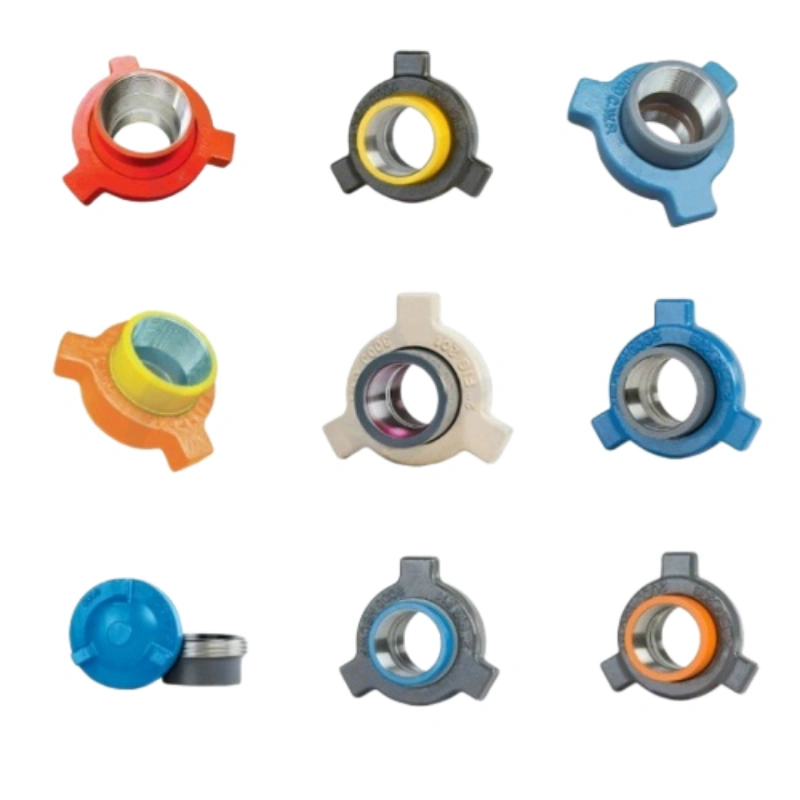
Choosing the right hammer union pressure ratings ensures safe and reliable oilfield connections. You must match each union to your application’s pressure demands to prevent leaks and equipment failures.
Alienfrac delivers high-quality hammer unions trusted for durability and performance across the industry. Improper selection can lead to costly downtime and safety hazards.
- Failures often result from poor installation or mismatched pressure ratings.
- Regular maintenance and careful leak detection reduce risks.
You should always check compatibility and industry standards before making your selection.
| Application | Key Benefits |
|---|---|
| Oil and Gas Exploration | High-pressure capabilities, quick maintenance, less downtime |
Key Takeaways
- Select hammer unions based on pressure ratings to ensure safety and prevent leaks.
- Always check the color band and figure number for quick identification of pressure ratings.
- Regular inspections and maintenance extend the life of hammer unions and reduce risks.
- Choose materials that match your application to enhance durability and prevent corrosion.
- Consult with experts like Alienfrac for tailored solutions and to avoid costly mistakes.
What is a Hammer Union?
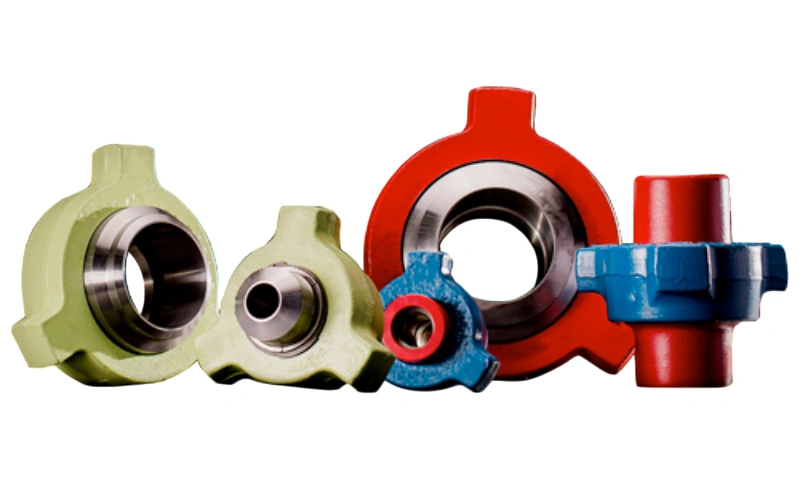
Hammer Union Basics
You often encounter hammer unions in oilfield operations where fast, secure connections are essential. These components allow you to assemble and disassemble fluid transfer lines quickly, even in harsh environments.
Hammer unions play a vital role in drilling, cementing, and hydraulic fracturing. Their robust design ensures they can handle high-pressure service and frequent use.
- Hammer unions provide rapid assembly and disassembly for fluid transfer.
- Their construction supports high-pressure applications and frequent make-up and break-out.
- You use them for reliable, leak-free connections between equipment or piping.
- They are essential in drilling, well control, and high-pressure fluid transfer tasks.
- Hammer unions help you maintain secure connections in demanding oil and gas environments.
Alienfrac offers a full range of hammer unions designed for these tough conditions. You benefit from their precision-machined sealing surfaces, corrosion-resistant materials, and compatibility with various piping systems.
Why Hammer Union Pressure Ratings Matter?
When you select hammer unions, you must consider hammer union pressure ratings to ensure safety and efficiency. Each union is built to handle a specific pressure, which protects your equipment and personnel from leaks or blowouts. Using the correct rating prevents failures during drilling or fracturing.
| Feature | Description |
|---|---|
| Pressure Handling | Handles extreme pressures up to 15,000 psi and fluctuating temperatures |
| Quick-Connect/Disconnect | Allows fast changes, reducing downtime during maintenance |
| Leak Prevention | Secures containment of fluids, preventing environmental hazards |
| Material | Uses alloy or stainless steel to resist corrosion from harsh substances |
You must always match the pressure rating to your application. This practice ensures your connections remain secure and your operations run smoothly. Alienfrac’s hammer unions make it easy to identify the correct rating with color coding and clear markings.
Hammer Union Pressure Ratings & Types
Common Pressure Ratings
You encounter a range of hammer union pressure ratings in oilfield operations. These ratings help you select the right connection for your specific needs. The most common ratings include 2,000 psi, 3,000 psi, 5,000 psi, 10,000 psi, and 15,000 psi.
Each rating uses a unique color band for quick identification. This system allows you to match the correct union to your pressure control equipment and avoid costly mistakes.
| Color Band | Pressure Rating (psi) |
|---|---|
| Red Band | Up to 2,000 |
| Yellow Band | Up to 5,000 |
| Green Band | Up to 10,000 |
| Blue Band | Up to 15,000 |
Alienfrac Hammer Union Figures
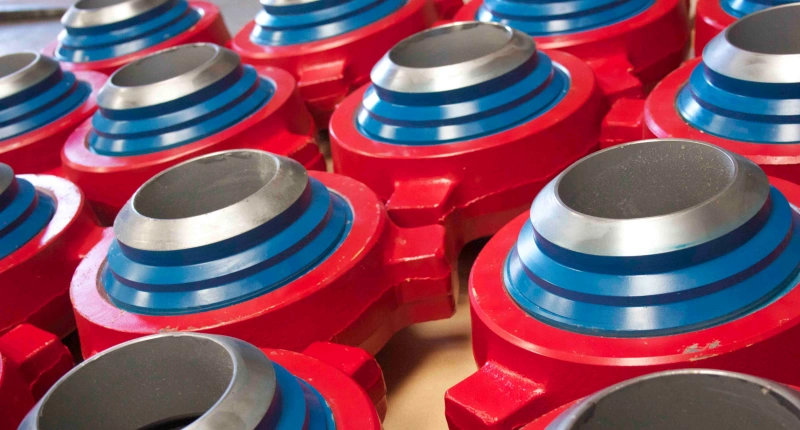
Alienfrac offers a full range of hammer unions designed for every pressure and application. You can choose from figure types such as Fig 206 (2,000 psi), Fig 602 (6,000 psi), Fig 1002 (10,000 psi), and Fig 1502 (15,000 psi).
Each figure type features a distinct color code painted on the lugs, making identification simple even in challenging field conditions. This color coding helps you quickly verify compatibility with wellhead equipment or pressure testing setups.
Tip: Always check the color band and figure number before installation. This step ensures you use the correct union for your high-pressure or medium-pressure system.
Application Examples by Rating
You use different hammer union pressure ratings for specific oilfield tasks. For example, low-pressure unions (up to 2,000 psi) work well for mud lines and water transfer. Medium-pressure unions (up to 5,000 psi) fit drilling and production lines. High-pressure unions (up to 10,000 psi) serve cementing and well testing.
Extra high-pressure unions (up to 15,000 psi) are essential for fracking and offshore operations.
| Pressure Rating Category | Common Applications in Oilfield Operations |
|---|---|
| High Pressure (up to 20,000 psi) | Oil & Gas Drilling, Production, Frac operations, Offshore rigs |
| Medium Pressure (2,000-15,000 psi) | Water Treatment, Wastewater, Injection, and Filtration lines |
| High-Temperature Systems | Power Generation, Steam and Gas Turbine connections |
| Construction Applications | Hydraulic systems, Concrete pumping, High-pressure water transport |
You ensure safe and efficient connections by matching the right hammer unions to each application. This practice protects your equipment and supports reliable operation in every oilfield environment.
Selecting Hammer Unions by Pressure
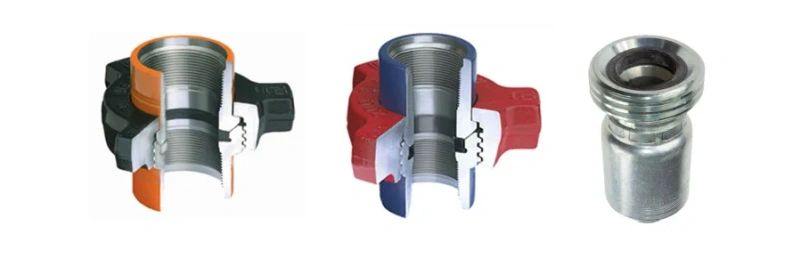
Step-by-Step Selection Guide
You need a systematic approach when choosing hammer unions for oilfield operations. Start by identifying the maximum working pressure required for your application. Check the compatibility of the union with your pressure control equipment and wellhead equipment.
Review the types available and select the figure that matches your hammer union pressure ratings. Consider the environment, such as exposure to corrosive fluids or chemicals, and choose materials that offer the best protection.
Here is a practical checklist to guide your selection:
- Determine the maximum pressure and temperature for your application.
- Identify the required figure type based on pressure rating and color code.
- Select the correct size for your piping or hose system.
- Confirm compatibility with wellhead equipment and pressure control equipment.
- Choose materials suitable for the fluids or chemicals present.
- Verify the union’s suitability for high-pressure connections and quick assembly.
- Ensure the union meets industry standards for well testing and safety.
Tip: Always inspect the color band and figure number before installation. This step prevents mismatches and supports safe operation.
Key Factors: Size, End Connections, Compatibility
You must consider several key factors when selecting hammer unions. Size determines how well the union fits your piping system. End connections affect assembly speed and leak prevention. Compatibility with oilfield fluids or chemicals is critical for long-term reliability.
The table below shows how material selection impacts compatibility:
| Material Type | Description |
|---|---|
| Carbon Steel | Cost-effective and strong, suitable for non-corrosive environments. |
| Stainless Steel (316) | Resistant to corrosion and ideal for offshore, chemical, or saline environments. |
| Alloy Steels (4140) | Used in high-stress, high-temperature applications with enhanced toughness and fatigue resistance. |
You should match the material to the environment and fluid type. Stainless steel works best for offshore or chemical applications. Carbon steel fits non-corrosive settings. Alloy steels handle high-pressure and high-temperature conditions.
Note: Compatibility reduces the risk of leaks and extends the service life of your hammer unions.
Alienfrac Selection Advantages
Alienfrac offers several advantages when you select hammer unions for oilfield operations. You benefit from high-quality unions designed for quick assembly and reliable high-pressure connections.
Alienfrac’s color-coded system makes identification easy, reducing errors during installation. Precision-machined sealing surfaces prevent leaks and support safe well testing.
You gain cost-effectiveness by investing in durable unions. Selecting the right hammer union pressure ratings ensures compatibility with existing equipment. You avoid leaks and system failures that cause costly downtime.
High-quality unions reduce the frequency of replacements and operational disruptions. Alienfrac’s products deliver long-term value, even if the upfront cost is not the lowest.
- Durable and easy-to-maintain unions contribute to long-term cost-effectiveness.
- Quality components lead to reduced downtime and enhanced safety.
- Alienfrac’s wide range of types covers every oilfield application, from drilling to fracturing.
Choosing Alienfrac means you get reliable performance, efficient installation, and proven safety for every oilfield operation.
Safety & Standards for Hammer Unions
Industry Certifications
You must select hammer unions that meet strict industry standards to ensure safety and reliability in oilfield operations. Leading certifications, such as API, DNV, and ISO, confirm that your equipment can withstand high-pressure and harsh environments.
Alienfrac products carry certifications from DNV MED, CCS, ABS, and API, which demonstrate a commitment to quality and compliance. The table below outlines common standards and their application in the oil and gas sector:
| Industry | Common Use Case | Typical Standards | Special Requirements |
|---|---|---|---|
| Oil & Gas (Onshore/Offshore) | Wellhead connections, frac iron | API 6A, ISO 10423 | High pressure, sour service (H₂S), NACE MR0175 compliance |
| Marine & Offshore | Subsea control systems, ROV tooling | API 17D, DNV standards | Corrosion resistance, non-magnetic materials |
You should always verify that your hammer unions meet the required certifications for your specific application, especially for well testing and high-pressure systems.
Inspection & Maintenance
Routine inspection and maintenance keep your connections safe and extend the service life of your equipment. You should follow these best practices:
- Use protective coatings and select materials that resist corrosion. Inspect regularly for early signs of rust or pitting.
- Choose durable materials and ensure proper alignment during assembly to reduce wear.
- Avoid over-tightening. Follow manufacturer torque specifications to protect threads and maintain integrity.
- Conduct preventive inspections for wear, corrosion, or deformation. Apply the correct lubricant to minimize friction.
Inspection intervals depend on your operating environment. The table below provides recommended schedules:
| Condition Type | Recommended Inspection Interval |
|---|---|
| Standard Conditions | Every 6 months |
| Harsh Environments | Monthly or Quarterly |
| High-Pressure Systems | Every 1–3 months |
| Post-Incident Checks | Immediate inspection required |
You should document each inspection and address any issues before returning equipment to service. This approach supports safe operation during testing and production.
Common Mistakes to Avoid
You can prevent costly errors by understanding common mistakes in hammer union selection and use.
Union sizing isn’t just about matching numbers—it’s about understanding the unique requirements of your application and ensuring compatibility across components.
Never connect products with hammer union end connections that are not positively identified as to the manufacturer and that are not identified to have identical union figure number, size, and pressure rating.
Mismatched connections may fail under pressure, which can result in serious personal injury, death, and/or property damage.
- Always check the specifications of your hammer unions against the diameter and pressure rating of your pipes.
- Confirm that all components share the same figure number and pressure rating.
- Avoid fitment challenges by reviewing compatibility before installation.
By following these guidelines, you protect your team and equipment during well testing and daily operations.
Practical Tips for Oilfield Selection
Buyer’s Checklist
You can improve your selection process by following a clear checklist. Start by reviewing your operational needs and the pressure requirements for each specific application. Always check that the hammer union matches the pressure rating needed for high-pressure applications.
Evaluate the compatibility of the union with your existing piping, valves, and wellhead equipment. Consider the material composition, as it affects durability and resistance to corrosion or temperature extremes.
- Review your operational pressure and temperature requirements.
- Confirm the hammer union fits your hammer union sizes and connection types.
- Check compatibility with wellhead equipment and other system components.
- Select materials that meet industry standards for safety and reliability.
- Engage your team to share experiences with unions used in similar situations.
- Think about long-term needs to ensure your choice supports future operations.
- Inspect for quick assembly features that reduce downtime during maintenance.
- Make sure the union supports well testing and high-pressure service.
Tip: Always verify the union’s color code and figure number before installation. This step helps you avoid mismatches and ensures safe operation.
Working with Alienfrac
You gain several advantages when you partner with Alienfrac for your hammer union needs. Alienfrac offers a variety of sizes and figure types to match every specific application. You can rely on their expertise to help you select the right hammer union connection types for your system.
Their team provides guidance on material selection, pressure ratings, and compatibility with high-pressure and well testing environments.
Alienfrac’s support ensures you receive products that meet strict industry standards. You benefit from quick assembly features and robust construction designed for demanding oilfield conditions. Their commitment to quality and innovation helps you achieve safe, efficient, and reliable operations.
Note: Consult with Alienfrac’s technical team for tailored solutions that fit your unique requirements. Their experience in high-pressure oilfield applications can help you avoid costly mistakes and maximize equipment performance.
Conclusion
Selecting hammer unions by pressure rating protects your team and equipment. You improve safety and efficiency when you follow a structured process. The table below shows how proper selection reduces failures and extends service life.
| Finding | Description |
|---|---|
| Failure Analysis | Over 80% of failures are due to brittle fatigue fractures at hammer unions. |
| Service Life | Optimized designs improve service life by 35%. |
To keep your operations safe, you should:
- Inspect all unions every three months.
- Check for corrosion, leaks, and deformation.
- Replace seals regularly and clean components before use.
- Test for leaks after reassembly.
Consult Alienfrac for expert guidance and review product documentation. Stay updated on best practices to ensure safe, reliable oilfield performance.
FAQ
What is the main purpose of a hammer union in oilfield operations?
You use a hammer union to connect pipes and hoses quickly and securely. This connection supports high-pressure fluid transfer and helps you maintain safe, leak-free systems during drilling, cementing, or fracturing.
How do I identify the correct pressure rating for my hammer union?
You check the color band and figure number on the hammer union. Each color and figure type matches a specific pressure rating. Always verify these markings before installation to ensure safety and compatibility.
Can I use the same hammer union for different fluids or chemicals?
You should select the hammer union material based on the fluid or chemical in your system. Stainless steel works best for corrosive fluids. Carbon steel fits non-corrosive environments. Always match the material to your application.
How often should I inspect hammer unions in high-pressure systems?
You should inspect hammer unions every one to three months in high-pressure systems. Look for signs of corrosion, leaks, or deformation. Regular checks help you prevent failures and extend equipment life.
Why choose Alienfrac hammer unions for my oilfield project?
You benefit from Alienfrac’s certified quality, color-coded identification, and durable construction. Their products support quick assembly and reliable performance in demanding oilfield environments. You also receive expert guidance for selecting the right union for your needs.