Selecting API Flange Sizes for Oil and Gas Projects

api flange sizes
Select the right API flange sizes by matching pipe specs, pressure, and standards for safe, reliable oil and gas project performance and compliance.
Table of Contents

Selecting the right api flange size means you must match flange dimensions and ratings with your pipeline’s specifications, operating pressures, and the latest industry standards. In oil and gas projects, you need to prioritize safety, compatibility, and compliance at every stage.

Alienfrac stands out as a trusted source for high-pressure oilfield API flanges, offering reliable connections for demanding environments.

When you choose the correct api flange sizes, you:

  • Ensure safety and reliability in your system.
  • Select materials that resist corrosion and handle temperature.
  • Meet operational demands like pressure changes and fluid chemistry.
  • Improve installation, alignment, and maintenance.
  • Support secure connections with quality bolts and gaskets.

Key Takeaways

  • Choose API flanges that exceed your pipeline’s maximum pressure rating to ensure safety and reliability.
  • Match flange sizes to pipe dimensions for secure, leak-free connections that maintain system integrity.
  • Select materials based on operating conditions to enhance corrosion resistance and durability in harsh environments.
  • Pay attention to bolt hole alignment and facing types to prevent leaks and ensure proper sealing in your system.
  • Consult with experts or trusted manufacturers like Alienfrac for tailored advice on flange selection and compliance.

Understanding API Flange Sizes

What Are API Flanges?

what are api flanges

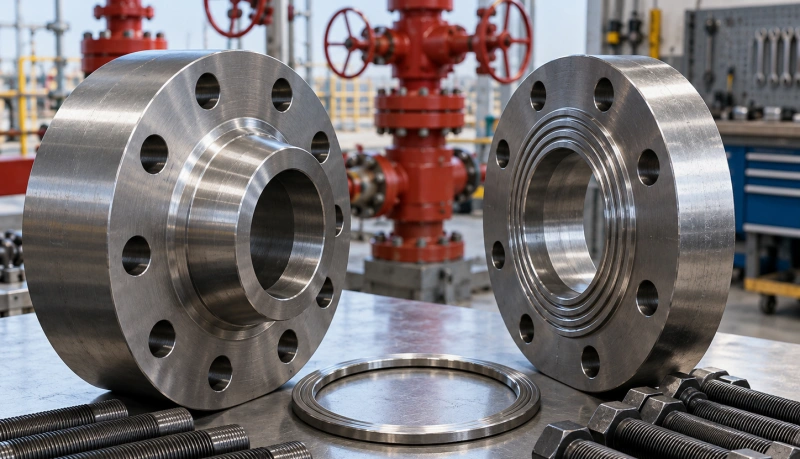
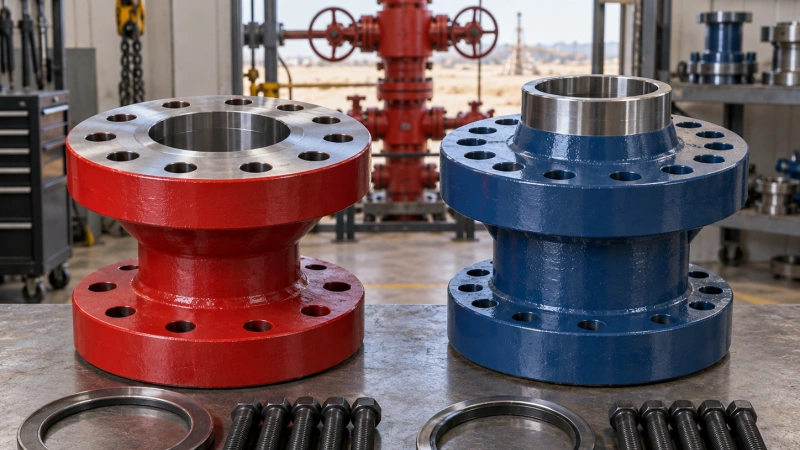
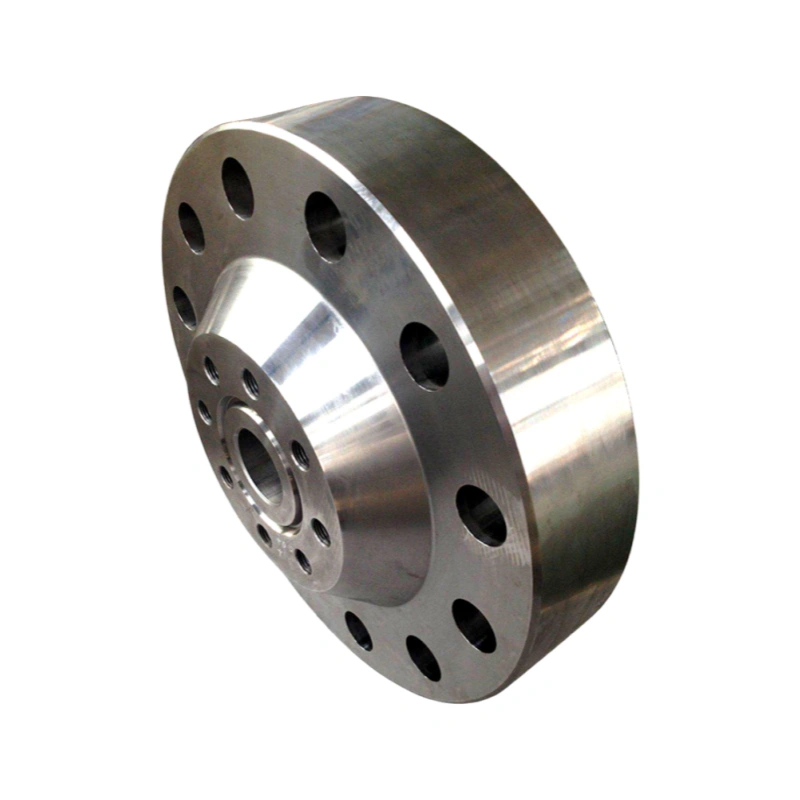
You encounter api flange components at critical points in oil and gas pipelines. These flanges connect pipes, valves, and equipment, forming secure joints that withstand extreme pressures and temperatures.

Alienfrac manufactures api flange products that meet the highest industry standards, using advanced materials and precision engineering. You can rely on these flanges for high-pressure oilfield applications, where safety and durability are non-negotiable.

To understand how api flange designs differ from other industrial flanges, consider the following comparison:

FeatureAPI FlangesANSI/ASME Flanges
Designed forHigh-pressure and high-temperature applicationsVersatile across various industries
Material StrengthMade from stronger materialsGenerally less robust
Wall ThicknessThicker wallsThinner walls
Manufacturing ProcessOften forged or cast in one pieceVarious manufacturing methods
Common ApplicationsOffshore oil drilling, petrochemical processingGeneral industrial use

You see that api flange products are specifically engineered for the oil and gas sector. They are built to handle the most demanding environments, unlike ANSI/ASME flanges, which serve more general purposes.

Role in Oil and Gas Projects

You depend on api flange connections to maintain the integrity of your pipeline systems. These flanges provide secure, leak-free joints that are essential for high-pressure and high-temperature operations.

You ensure pressure containment, preventing the escape of fluids or gases, which protects both personnel and the environment.

Quick assembly and disassembly of api flange connections allow you to perform maintenance efficiently, minimizing downtime. Their corrosion-resistant construction helps you maintain structural integrity, even in harsh field conditions.

When you select the correct api flange size, you support safe, reliable, and efficient operations throughout your oil and gas projects.

Selecting the Right API Flange

selecting the right api flange

Identifying Pipeline Requirements

You must start the flange selection process by understanding your pipeline’s unique requirements. Every oil and gas project has different working conditions, system needs, and installation limitations.

You need to gather details about pressure, temperature, and the type of fluid that will flow through the system. These factors help you determine the correct api flange sizes for your application.

Tip: Review your existing piping configuration and any specific dimensional requirements before making a decision.

You should also consider the following pipeline parameters:

  • Working conditions, such as exposure to corrosive substances or extreme temperatures
  • System requirements, including flow rate and operational cycles
  • Installation limitations, like space constraints or access for maintenance
  • Pressure and temperature ratings
  • Fluid properties, such as viscosity and chemical composition
  • Existing piping layout and connections

If you overlook these factors, you risk choosing a flange that does not fit or perform as needed. Mismatches between flange and pipe schedule can lead to poor fit-up. Incomplete weld penetration may occur if dimensions are not compatible. Stress concentration at the joint can compromise mechanical integrity and safety.

Matching Flange Size to Pipe Dimensions

You must match api flange sizes to your pipe’s diameter and wall thickness. The correct fit ensures a secure, leak-free connection and maintains the structural integrity of your system. Pipe diameter and wall thickness directly influence the flange dimensions you need.

If you select the wrong size, you may face issues with sealing and pressure containment.

Here is a quick reference table for common factors you should check:

Specification TypeExample SizesCommon Standards
Nominal UnitsDN10, DN15, DN20ANSI/ASME B16.5, EN/DIN 1092-1
Inch Units3/8, 1/2, 3/4, 1
Bolt Diameter14 mm, 18 mm
Number of Bolt Holes4
Flange Thickness14 mm, 16 mm, 18 mm

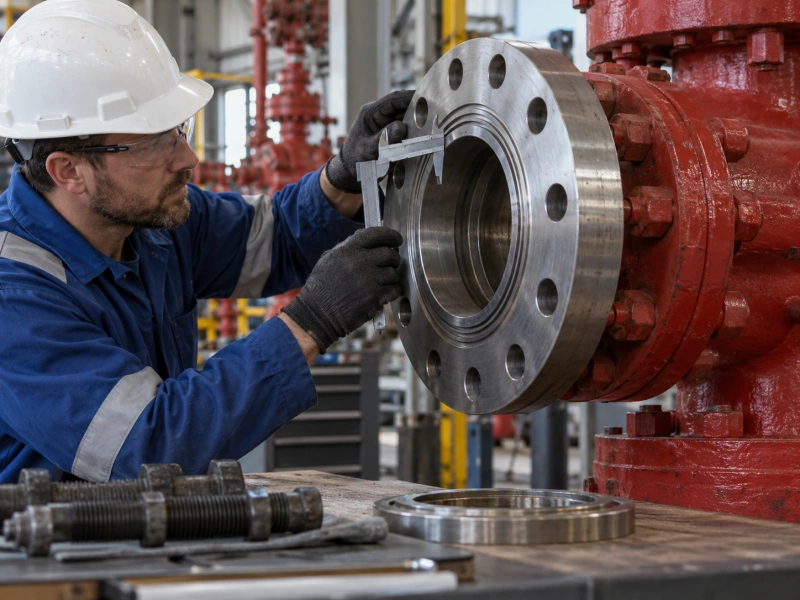
You should always verify that the flange size matches the pipe’s outside diameter, wall thickness, and bolt hole pattern. This step prevents leaks and ensures proper load distribution. You also need to check that the flange dimensions align with the connected components, such as valves and fittings.

This attention to detail supports optimal performance and long-term reliability.

Considering Pressure and Temperature

You must evaluate the operating pressure and temperature before selecting suitable flanges. These two factors have a major impact on the type and size of api flange sizes you need. Higher pressures require stronger, thicker flanges to prevent failure.

Elevated temperatures may demand larger flanges or special materials to handle thermal expansion and avoid leaks.

Follow these steps for accurate selection:

  1. Identify the operating pressure class, such as 5K, 10K, or 15K.
  2. Choose materials that can withstand both the pressure and the temperature of your system.
  3. Confirm that the selected flange meets the required industry standards for safety and performance.

Note: Flange size selection must always consider the pressure rating required for your application. If you operate in high-pressure or high-temperature environments, you need to select flanges that provide the necessary structural integrity.

By carefully considering these factors, you ensure that your api flange sizes will deliver safe, reliable, and efficient service. Selecting the right flanges protects your investment and supports the long-term success of your oil and gas project.

API Flange Specifications

Key Standards (API 6A, API 605, etc.)

You need to follow strict standards when selecting API flanges for oil and gas projects. These standards ensure that your equipment meets industry requirements for safety and performance.

The most common standards include API 6A and API 605. Each standard covers different aspects of flange design and application. The table below highlights the main features of these standards:

API StandardDescription
API 605Specifications for large diameter flanges, including dimensions and pressure ratings, are tailored for high pressures and large flow rates in the oil and gas industry.
API Specification 6AProvides technical updates for wellhead and tree equipment, ensuring consistent practices in the industry.

You should always check which standard applies to your project before making a selection.

Size Range and Materials

API flanges come in a wide range of sizes to fit different pipeline systems. You can find sizes from NPS 2 up to NPS 60, which allows you to match the flange to your specific pipe diameter. The choice of flange material is just as important as the size.

You might select carbon steel, stainless steel, or alloy steel, depending on the pressure, temperature, and environment. Each material offers unique benefits for corrosion resistance and strength. When you choose the right flange types and materials, you improve the safety and durability of your system.

Tip: Always confirm that the flange material matches the fluid and temperature conditions in your pipeline.

API Flange Weights

api flange weights

You must consider flange weights during installation and maintenance. Flange weights and dimensions play a critical role in performance and compatibility. The size of the flange affects how easily you can install it.

Different materials, such as galvanized steel, carbon steel, and stainless steel, have unique specifications that impact the fit for your piping system. API flanges are designed for high pressures and temperatures, making them suitable for refinery systems.

They also feature a smaller bolt circle compared to other standards, which can affect installation.

  • Flange weights and dimensions are critical for performance and compatibility in industrial applications.
  • The size of the flange directly affects installation efficiency.
  • Different materials have varying specifications that impact the fit for piping systems.

By understanding these specifications, you can select the best API flange for your oil and gas project.

Flange Types and Material Options

Weld Neck, Threaded, and Blind Flanges

You will find several main types of API flanges in oil and gas projects. Each type serves a specific function and fits different parts of your pipeline system. Alienfrac offers a full range of these flanges, designed for high-pressure and high-temperature environments.

  • Weld Neck Flanges: You weld these flanges directly to the pipe. The long neck provides extra strength and helps reduce stress at the joint. You often use weld neck flanges in critical applications where safety and durability matter most.
  • Threaded Flanges: You screw these flanges onto the end of a pipe. They work well for small-diameter, low-pressure systems where welding is not practical.
  • Blind Flanges: You use these flanges to close off the end of a pipe or a pressure vessel. Blind flanges allow you to isolate sections of your system for maintenance or future expansion.

You will see these flange types across upstream, midstream, and downstream operations. For example, you use them in wellheads, gathering systems, pipelines, refineries, and power plants.

Material Selection for High-Pressure Systems

You must choose the right material for your API flanges to ensure long service life and resistance to harsh conditions. Alienfrac provides pipe flanges in a variety of materials, each with unique advantages for oil and gas applications.

Material TypePerformance CharacteristicsAdvantagesTypical Applications
304 Stainless SteelGood corrosion resistance and strengthExcellent corrosion and oxidation resistanceChemical, marine, desalination
316 Stainless SteelEnhanced protection against chlorides, high tempsIdeal for offshore and chemical environmentsOffshore, subsea, chemical processing
Nickel AlloysOutstanding high-temp and corrosion resistanceHigh performance in harsh environmentsChemical, offshore, reactors
Duplex/Super DuplexVery high strength, chloride resistanceHigher yield strength, long lifespanMarine, oil & gas, subsea
TitaniumSuperior seawater resistance, high strength-to-weight ratioLong service life in extreme conditionsOffshore oil & gas, desalination

Stainless steel flanges resist corrosion due to a protective chromium oxide film. Grades 304 and 316 offer strong weldability and durability. Duplex stainless and nickel alloys provide even greater strength and resistance to chlorides, which you need for high-pressure and high-temperature oilfield operations.

Titanium stands out for its performance in seawater and oxidizing environments.

You should always match the flange material to your system’s pressure, temperature, and fluid chemistry. This step ensures your connections remain secure and reliable, even in the toughest oilfield conditions.

Pressure Ratings and Classes

API Pressure Classes Explained

You need to understand api pressure ratings before you select flanges for your oil and gas project. These ratings show the maximum pressure a flange can handle safely. In the api system, pressure classes include 2,000 psi, 3,000 psi, 5,000 psi, 10,000 psi, and 15,000 psi.

Some specialized api flanges can even reach 20,000 psi. Each class matches specific operating conditions and safety requirements.

You will see that api pressure ratings depend on several factors. These include the flange’s dimensions, thickness, and the number and size of bolts. The material used for the flange also plays a big role.

Internal and external temperatures affect the pressure class you need. You must always check the api standard for your project, such as API 6A or API 605, to ensure you select the right class.

Here is a quick reference table for common api pressure classes:

API Pressure ClassMaximum Pressure (psi)Typical Application
2,0002,000Low-pressure pipelines
3,0003,000General oilfield use
5,0005,000Wellheads, manifolds
10,00010,000High-pressure drilling
15,00015,000Extreme pressure operations
20,00020,000Specialized high-pressure use

Choosing the Right Rating

You must select the api pressure rating that matches your system’s needs. Start by checking the maximum pressure your pipeline will face. Review the environmental conditions, especially if your system handles corrosive fluids or extreme temperatures. Make sure the flange material can withstand these challenges.

To choose the suitable flange class, follow these steps:

  • Begin with the required pressure rating for your application.
  • Assess the environmental conditions, such as exposure to chemicals or high heat.
  • Check the pipe size and the type of fittings you plan to use.
  • Confirm that the flange meets all relevant api, ASTM, and ASME standards.
  • Review the flange’s dimensions, thickness, and bolt pattern for compatibility.

You should always match the api pressure ratings to your pipeline’s operating conditions. This step ensures safety and reliability. If you select the wrong api class, you risk leaks, failures, or costly downtime.

When you need help, consult with experts or trusted manufacturers like Alienfrac. They can guide you to the best api flange for your project.

Tip: Never guess the pressure class. Always use data from your system and follow industry standards to ensure the right api flange selection.

Bolt Patterns and Facing Types

Bolt Hole Alignment

You must pay close attention to bolt hole alignment when installing API flanges. Proper alignment ensures a secure, leak-free connection and prevents costly mistakes during assembly. Bolt hole patterns are not just about aesthetics—they play a critical role in flange compatibility and system safety.

  • Bolt hole patterns help you match flanges with pipes, valves, and other components.
  • AWWA Classes A, B, D, and E use the Class 150 bolt pattern. This design allows you to interchange components easily.
  • Class F uses the Class 300 bolt pattern. You must ensure all connected parts match this pattern for a proper fit.
  • Careful attention to bolt patterns helps you avoid leaks and mechanical failures.

When you align bolt holes correctly, you distribute the load evenly across the flange. This step reduces stress on bolts and gaskets, which increases the lifespan of your connection. You also make future maintenance easier because you can remove and replace flanges without damaging the pipeline.

Tip: Always double-check the bolt pattern before tightening bolts. This practice saves time and prevents rework.

Flange Facing Types

You need to understand the different flange types and facing options to select the best seal for your application. Each facing type offers unique benefits for sealing performance and safety.

  • Raised Face (RF): This is the most common facing. It concentrates bolt force over a smaller area, which creates a tighter seal. You often see RF in petrochemical and power plants.
  • Flat Face (FF): This type has a flat surface that spreads the load evenly. You use FF with brittle materials or in low-pressure, non-corrosive systems.
  • Tongue and Groove (TG): TG facings provide superior sealing by enclosing the gasket. They work well in cyclic thermal or pressure conditions and protect against blowout.
  • Ring Type Joint (RTJ): RTJ facings create a metal-to-metal seal. They deform under pressure, making them ideal for ultra-high-pressure and temperature environments.

You should always match the facing type to your system’s pressure, temperature, and media. The right choice ensures a reliable seal and long-term performance.

Note: Selecting the correct flange types and facing improves safety and reduces the risk of leaks in your oil and gas project.

Compliance and Documentation

Meeting Industry Standards

You must follow strict industry standards when selecting and installing API flanges for oil and gas projects. These standards protect your operations and ensure that every component meets safety and performance requirements. You need to keep proper documentation to show that your flanges comply with API guidelines.

This documentation proves that you have chosen the right products and that they will perform as expected under high pressure and harsh conditions.

Here is a table that outlines the main documentation you need for compliance:

RequirementDescription
Pressure RatingsGoverned by API 6A for high-pressure applications.
Material TraceabilityEnsures that materials used are traceable to their origin.
Enhanced Testing and InspectionInvolves stricter quality control measures than standard flanges.
Product-Level CertificationRequired to demonstrate compliance with API standards.

You should always keep these records up to date. They help you pass audits and inspections. They also protect your project from costly mistakes or delays.

Ensuring Traceability

You need to track every API flange from production to installation. This process is called traceability. It helps you confirm that each flange is authentic and meets all quality standards. Manufacturers use several methods to ensure traceability:

  • They set up quality management systems with controlled processes and detailed documentation.
  • They keep supply chain records that show custody transfers and handling procedures.
  • They conduct regular audits and quality checks to confirm compliance with API and ASME standards.
  • They maintain records of quality control and inspection steps for each flange.
  • They verify heat numbers against certificates to trace materials back to their source.
  • They check that all dealers and handlers are authorized, which protects you from counterfeit products.

Tip: Gaps in documentation or unclear handling records can signal problems. Always review traceability records before installation to ensure safety and authenticity.

By following these steps, you make sure your API flanges meet industry standards and support the safety and reliability of your oil and gas project.

Selecting the Right Flanges: Practical Tips

Tips for Accurate Selection

You can improve the accuracy of your API flange selection by following a few essential steps. Start by gathering all relevant system data. This includes the operating temperature, pipe size, and pressure requirements. Use the table below as a quick reference when making your decision:

CriteriaRecommendation
Temperature RatingChoose a flange with a temperature rating ≥ system’s operating temperature.
Pipe SizeChoose a flange the same size as the pipe it attaches to.
Pressure RatingChoose a flange with a pressure rating ≥ system’s operating pressure.

You should always verify these criteria before finalizing your selection. This approach helps you avoid compatibility issues and ensures long-term reliability.

Tip: Consult with industry professionals or trusted manufacturers like Alienfrac. Their expertise can help you match the right flange to your application, especially when you face unique challenges or complex requirements.

Alienfrac offers technical support and tailored advice for oil and gas projects. You can rely on their experience to guide you through material selection, pressure ratings, and industry standards.

Common Mistakes to Avoid

Mistakes during flange selection can lead to leaks, failures, or costly downtime. You can prevent these issues by learning from common errors and following best practices. Review the table below to see frequent mistakes and how to avoid them:

MistakeHow to Avoid It
Choosing the Wrong MaterialConsider the environment and consult with experts if unsure.
Mismatched Flange Size or Pressure RatingMeasure carefully and refer to industry standards for size and rating.
Poor Weld Quality or Incorrect ProcedureUse qualified welders and inspect all welds thoroughly.
Inadequate Gasket SelectionMatch gasket material to the flange and fluid, and ensure correct installation.
Over-tightening or Under-tightening BoltsUse a calibrated torque wrench and tighten bolts in a star pattern for even pressure.

You should always partner with reputable manufacturers and distributors. This ensures you receive reliable products and expert guidance. When you need support, Alienfrac stands ready to help you select the right API flange for your project.

Conclusion

Selecting the right API flange size shapes the safety and reliability of your oil and gas project. You protect your system and meet industry standards when you evaluate operating conditions, installation needs, and long-term goals.

  • You ensure safety by choosing flanges rated above your maximum pressure.
  • You match flange types to your project, which supports long-term performance.
  • You balance technical needs with cost, leading to better results.
Application AreaMaterial UsedKey Outcomes
Chemical Processing IndustryHastelloy C-276Service life over 8 years, cost savings despite the higher initial cost.
Marine Environment ApplicationsDuplex stainless steelImproved corrosion resistance, better efficiency.
Water Treatment FacilityVarious gradesIncreased reliability, reduced maintenance costs.

Consult with experts or trusted manufacturers like Alienfrac for tailored solutions. The right flange choice supports your project’s success and keeps your operations safe.

FAQ

What is the difference between API and ANSI flanges?

You use API flanges for high-pressure oil and gas systems. ANSI flanges fit general industrial applications. API flanges offer thicker walls and stronger materials. ANSI flanges work best in lower-pressure environments.

How do you select the right material for API flanges?

You check your system’s pressure, temperature, and fluid type. Stainless steel resists corrosion. Alloy steel handles high pressure. Duplex stainless steel works well in marine environments. You match the material to your operating conditions.

Which API standards should you follow for flange selection?

You follow API 6A for wellhead equipment. API 605 covers large diameter flanges. API 16A applies to wellhead and Christmas tree systems. You always check your project requirements before choosing a standard.

What are the most common mistakes when installing API flanges?

You may use the wrong gasket, misalign bolt holes, or over-tighten bolts. You avoid these mistakes by checking compatibility, following torque guidelines, and inspecting all connections before operation.

Share to:
Latest News
Contact Us
Alienfrac Logo

Contact Us