
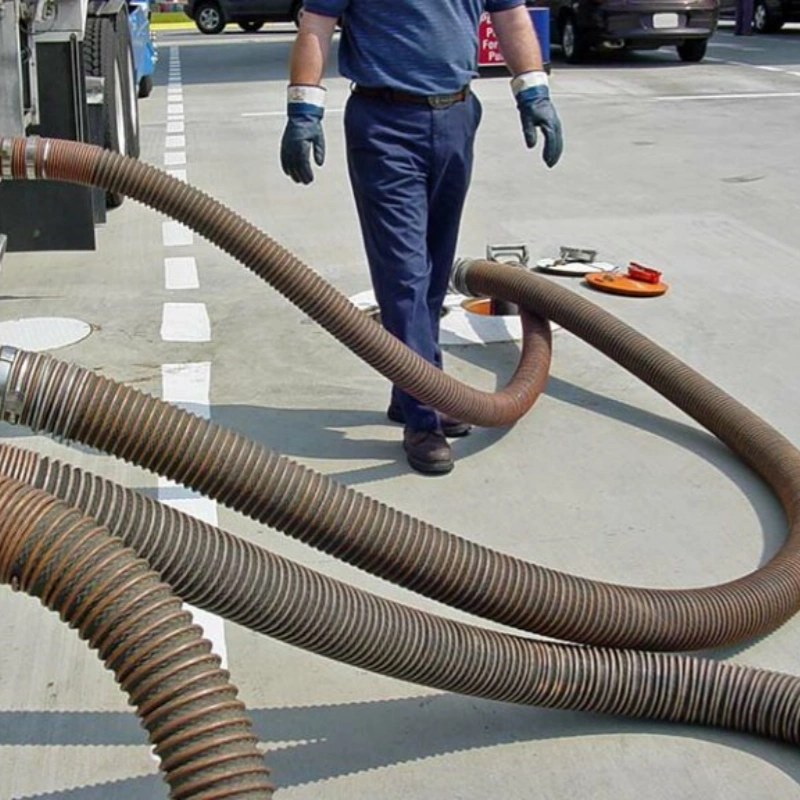
You can improve safety and reliability in your oilfield operations by following three simple steps for petroleum hose testing. As you know, over 90% of industrial hose failures start with abrasion on the outer layer. Regular testing helps you prevent catastrophic failures, minimize downtime, and comply with industry standards.
Alienfrac, a trusted provider of petroleum hoses, uses advanced technology and strict quality measures to meet the demands of modern oilfields.
- Hydraulic hoses often deteriorate due to internal erosion, microcracks, and chemical changes.
- Proactive replacement and testing routines reduce operational risks.
Key Takeaways
- Conduct regular visual inspections of petroleum hoses to identify damage like cracks or leaks. This practice prevents accidents and enhances safety.
- Perform pressure tests to ensure hose integrity. Gradually increase pressure and monitor for leaks to confirm the hose can handle operational demands.
- Execute functional tests to verify hose performance under real-world conditions. Check for leaks and ensure compatibility with the fluids being transported.
- Maintain detailed records of all inspections and tests. This documentation helps track hose performance and plan necessary maintenance.
- Follow safety precautions during testing. Use protective gear and secure the testing area to minimize risks during the process.
Step 1: Visual Inspection
Exterior Check for Damage
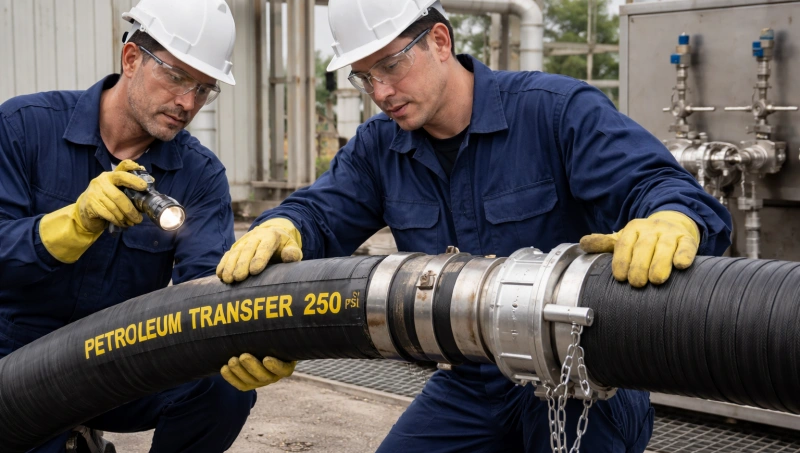
Start your petroleum hose testing routine with a thorough exterior inspection. Examine the hose for visible signs of damage, such as cracks, blisters, or abrasions. Alienfrac petroleum hoses feature an abrasion-resistant outer layer and reinforced construction, which helps them withstand harsh environments.
Look for cover damage, kinks, and corrosion at fittings. If you spot any defects, tag the hose and remove it from service immediately. This practice prevents accidents and keeps your operation safe.
Tip: Create a standardized checklist for your inspection. Train your team to recognize common defects and understand the importance of regular checks.
Identifying Wear and Leaks
You must identify wear and leaks early to avoid costly repairs and downtime. Common causes include wear and tear, kinking, age, improper installation, pressure spikes, temperature extremes, chemical incompatibility, and fitting issues. Inspect the hose for fluid leaks, corrosion, and loose components.
Alienfrac hoses use synthetic rubber and strong fibers or steel wire, which enhance durability and reduce the risk of leaks. Regular visual inspections before each use and at set intervals help you catch problems before they escalate.
- Look for:
- Abrasion marks
- Twisting or kinking
- Signs of aging or degradation
- Leaks at fittings
Neglecting visual inspection can lead to increased repair costs, frequent breakdowns, and heightened safety risks. A burst hose can halt production and endanger workers.
Tools for Inspection
Use the right tools to make your petroleum hose testing effective. Inspectors should check cover conditions with the naked eye and use specialized borescope equipment for internal inspections without disassembly. For critical systems, conduct monthly inspections; for auxiliary circuits, quarterly checks suffice.
Alienfrac hoses’ enhanced durability means fewer defects, but regular inspection remains essential.
- Recommended tools:
- Inspection checklist
- Flashlight
- Borescope for internal checks
Visual inspection is your first line of defense. It ensures hose reliability and supports a safety-first culture in oilfield operations.
Step 2: Pressure Testing
Pressure Test Setup
You need to set up your petroleum hose testing area with precision. Start by selecting a certified hose, such as Alienfrac petroleum hoses, which meet strict standards for high-pressure environments.
Review the hose’s certifications to confirm compliance. The following table shows key certifications for petroleum hoses:
| Certification Authority | Certification Type | Description | Standards | Hose Types |
|---|---|---|---|---|
| DNV | TAP00000SB Rev2 | Flexible Hoses with Permanently Fitted Couplings | SAE J 517 / EN 853 / EN 857 | PH253, PH254, PH257, PH258, PH293, PH296, PH297 |
| DNV | TAP00002CU | Flexible Hoses without Permanently Fitted Couplings | EI 1529 / ISO 1825 | PH690 |
| DNV | TAP00000SC Rev2 | Flexible Hoses with Permanently Fitted Couplings | SAE J 517 / EN 856 | PH277, PH278, PH177, PH178, PH279 |
| DNV | MEDB00000Y5 – Rev1 | Materials for pipes conveying oil or fuel oil | SAE J 517 / EN 853 / EN856 / EN857 | PH253, PH254, PH257, PH258, PH293, PH296, PH297, PH177, PH277, PH278, PH178, PH279 |
| DNV | MEDD00000VE – Rev1 | Quality system for products | SAE J 517 / EN 853 / EN856 / EN857 | PH253, PH254, PH257, PH258, PH293, PH296, PH297, PH177, PH277, PH278, PH178, PH279 |
| Lloyd’s | PRJ11100490792/01 | API specification 16D | Proprietary | PH183 |
Connect the hose to a hydrostatic test pump. Fill the hose with water or another approved liquid. Make sure all connections are secure and leak-free.
Safety Measures for Testing
Safety is critical during petroleum hose testing. You must use proper safety equipment, including eye protection, gloves, and protective clothing. Place safety shields or enclosures around the hose to protect yourself from potential bursts. Install overpressure protection systems and emergency shutdown mechanisms.
Use safety valves and shielding enclosures to reduce exposure to high-pressure failures.
Tip: Always clear the area of unnecessary personnel before starting the test. Double-check all safety devices and emergency procedures.
Performing Petroleum Hose Testing
Begin the hydrostatic test by gradually increasing the pressure to 1.5 to 2 times the hose’s rated working pressure. Monitor the hose for leaks, bulges, or abnormal behavior. Alienfrac petroleum hoses perform reliably under extreme pressures, making them ideal for demanding oilfield operations.
Follow industry standards, such as API 16C and API 5C, which specify testing procedures and pressure ratings.
- Hydrostatic testing involves:
- Filling the hose with liquid
- Applying pressure slowly
- Inspecting for leaks and defects
Record the results and compare them to regulatory requirements. If the hose passes, you can return it to service. If you find any defects, remove the hose and consult with a specialist.
Petroleum hose testing ensures your hoses meet safety and performance standards, reducing risks and improving reliability in your operation.
Step 3: Functional Testing
Functional Test Procedure
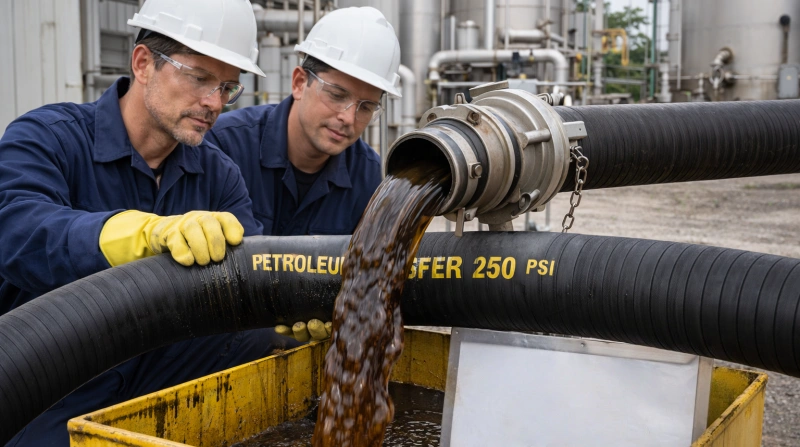
You need to perform functional testing to confirm that your hose works safely in real-world oilfield conditions. Start with a pre-test inspection to check for cuts, abrasions, or other damage. Connect the testing equipment securely to the hose.
Increase the pressure slowly so you can spot any weaknesses before they become serious problems. Hold the test pressure for the required time. Watch for leaks using visual checks and soapy water. Release the pressure safely with a bleed-off valve.
Tip: Always follow your site’s safety protocols during petroleum hose testing to protect yourself and your team.
Alienfrac petroleum hoses show excellent flexibility and performance in the field. You can use them for water, oil-based fluids, and chemicals. Their robust design helps you handle high pressures and abrasive materials, making them ideal for hydraulic fracturing and water transfer.
Leak and Performance Check
You must check for leaks and monitor hose performance during the test. Look for any drops in pressure or visible leaks. Alienfrac hoses minimize risks of leaks and accidents, even in tough environments. Their compatibility with many chemicals ensures safe handling during operations.
Here are common performance issues you might find:
| Performance Issue | Description |
|---|---|
| Installation Errors | Twisting during installation can damage the hose structure. |
| Leakage | Leaks from the hose body mean you need to replace the hose immediately. |
| Flow Restrictions | Reduced flow may come from internal deposits or liner swelling. |
| Maintenance Challenges | Cleaning and inspection needs can affect hose performance. |
If you find any of these issues, remove the hose from service and consult with a specialist.
Recording Results
You should record all test results for each hose. Note the date, test pressure, duration, and any problems you found. Use a checklist or logbook to keep your records organized. This helps you track hose performance over time and plan maintenance.
Functional testing verifies that your hose fits your oilfield needs. Check the following criteria to confirm suitability:
| Criteria | Description |
|---|---|
| Size and Ends | Make sure the hose and fittings match your equipment. |
| Intended Application | Confirm the hose works for the oil or chemical you plan to move. |
| Temperature and Pressure Ratings | Ensure the hose can handle your operating conditions. |
| Material Limitations | Check for any restrictions based on the hose material. |
By following these steps, you ensure your petroleum hose testing process delivers safe and reliable results for every operation.
Tips for Accurate Petroleum Hose Testing
Safety Precautions
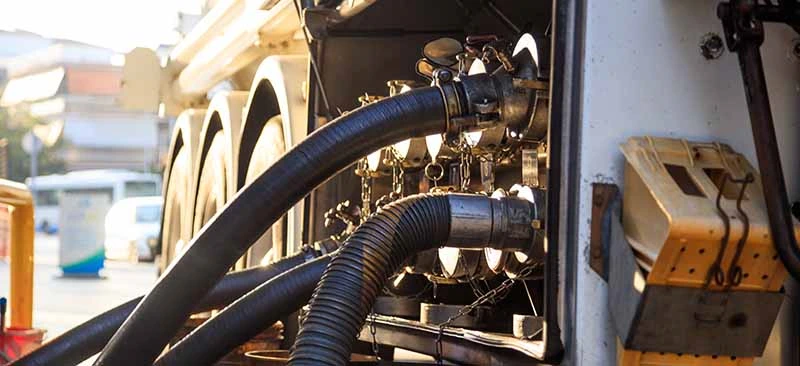
You must prioritize safety during every petroleum hose test. Always wear protective gear, including gloves, safety glasses, and sturdy clothing. Secure the test area and keep unnecessary personnel away. Alienfrac hoses meet strict OSHA and API standards, which help you maintain operational integrity.
Regular inspection before and after each use reduces risks. Clean hoses after testing to prevent residue buildup. Store hoses properly to avoid damage and extend their lifespan. Follow guidelines to prevent over-bending and replace hoses showing significant wear.
Training your team in proper handling and maintenance ensures safe operations.
Tip: Increase inspection frequency for hoses exposed to high temperatures or used in critical equipment. Promptly replace elastomeric seals when removing hoses to prevent breakdown.
Common Mistakes
You can avoid costly errors by recognizing frequent mistakes during petroleum hose testing. Many operators use incompatible fluids, which degrade the inner tube and cause leaks. Incorrect hose selection leads to early failure. Improper hose length creates unnecessary stress and wear.
Failing to check crimping accuracy weakens connections. Misaligned fittings reduce performance. Poor assembly practices and expired service life increase the risk of accidents. Incorrect routing or excessive bending damages hoses internally.
Abrasion from constant friction shortens hose life. Extreme temperatures affect flexibility. Dry air exposure makes hoses brittle.
- Common mistakes include:
- Using the wrong hydraulic fluid
- Selecting unsuitable hoses for the application
- Neglecting pre/post crimping checks
- Exceeding minimum bend radius
- Allowing hoses to age in dry air
Best Practices
You achieve accurate petroleum hose testing by following industry best practices. Prepare the test setup with secure and calibrated equipment. Conduct impulse tests by applying controlled pressure pulses and monitoring for damage. Analyze and report test results, documenting failures and recommending maintenance.
Alienfrac’s quality standards require regulatory compliance, regular inspection, pressure testing, cleaning, and proper storage. Test each hose system at its maximum rated working pressure. Check for leaks during the test and ensure system surges remain below permissible limits.
| Environmental Damage | Environmental Protection |
|---|---|
| Spilled oil or chemicals contaminate soil and water, requiring extensive cleanup. | Regular testing identifies weak hoses before failure, preventing environmental hazards. |
Regular maintenance and testing help you avoid unscheduled downtime and protect the environment. Inspect stationary equipment every three months. For mobile equipment, inspect every three months or after 400–600 hours of use.
Increase inspection frequency for hoses in demanding conditions. Accurate testing ensures safety, reliability, and compliance with Alienfrac’s high standards.
Conclusion
You can improve oilfield safety and reliability by following these three steps:
- Inspect hoses visually for damage.
- Perform pressure tests to confirm integrity.
- Conduct functional tests to verify performance.
Alienfrac petroleum hoses deliver dependable results in extreme conditions. Their robust design reduces leaks and downtime. For best results, schedule routine testing and keep detailed records. Consult with experts as needed to optimize your maintenance plan.
| Inspection Type | Frequency | Notes |
|---|---|---|
| Visual Inspection | Monthly | Recommended for most applications |
| Pressure Testing | Annually | Essential for hose integrity |
| Detailed Records | Ongoing | Track maintenance and inspections |
| Consultations | As needed | Adjust frequency based on operational requirements |
FAQ
How often should you test petroleum hoses?
You should test petroleum hoses at least once a year. For hoses in critical or high-pressure applications, increase the frequency to every three to six months. Always follow your site’s safety guidelines and manufacturer recommendations.
What signs show that a petroleum hose needs replacement?
Look for cracks, bulges, leaks, or exposed reinforcement. If you see any of these issues during inspection, replace the hose immediately. Do not use hoses with damaged fittings or severe abrasion.
Can you use the same hose for different petroleum products?
You should not use the same hose for different products without checking compatibility. Some fuels or chemicals can damage the hose lining. Always consult the manufacturer’s guidelines before switching products.
What safety gear do you need for hose testing?
Wear safety glasses, gloves, and protective clothing. Use shields or barriers around the test area. Make sure only trained personnel handle the testing process.
Where can you get support for Alienfrac petroleum hoses?
You can contact Alienfrac’s technical team by email or phone. Visit Alienfrac’s website for more information and support options.