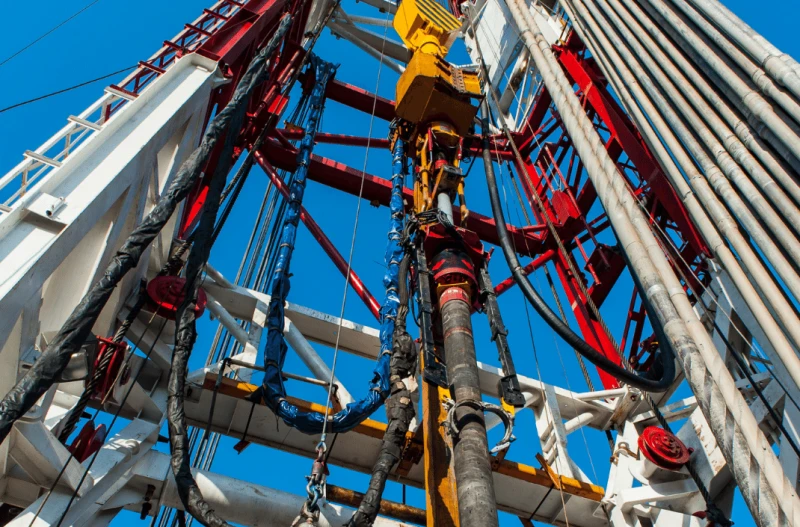
Drilling Hose
Drilling hose carries high-pressure drilling mud between pumps and rigs in demanding oilfield operations. Alienfrac manufactures each drilling hose with reinforced construction, strong couplings, and strict factory control for reliable field performance. Contact Alienfrac today for a fast quote on oilfield hoses.
Drilling Hose Manufacturer
Mud Hose
Vibrator Hose
Advanced Drilling Rubber Hose & Solutions
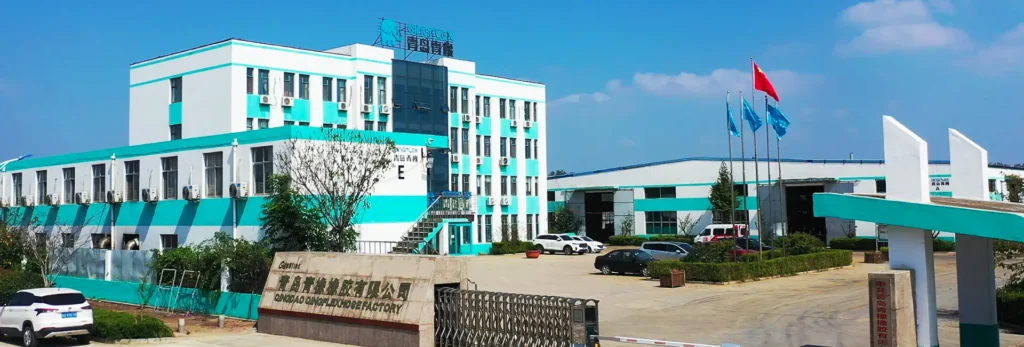
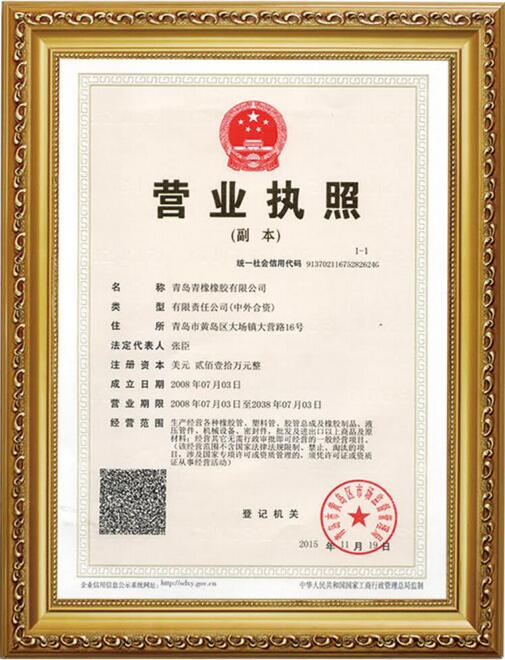
Qingdao Qingflex Hose Factory, founded in 2008, boasts a formidable production capacity and focuses on R&D and production of built-in and crimped high-pressure oilfield hoses.
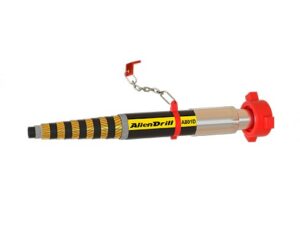
With cutting-edge technology and modern machinery, we manufacture AllienDrill hoses, including API 7K Cement Hose, Rotary Drilling and Vibrator Hose, API 16C Choke and Kill Hose, and API 16D BOP Control Hose, powering oilfields worldwide.
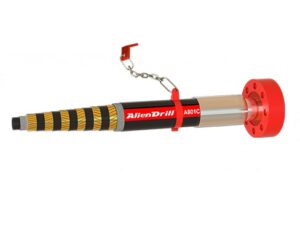
Built-in Rotary Vibrator Hose
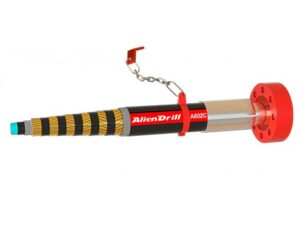
Crimped Rotary Vibrator Hose
Why Choose QingFlex as Your Drilling Hose Manufacturer
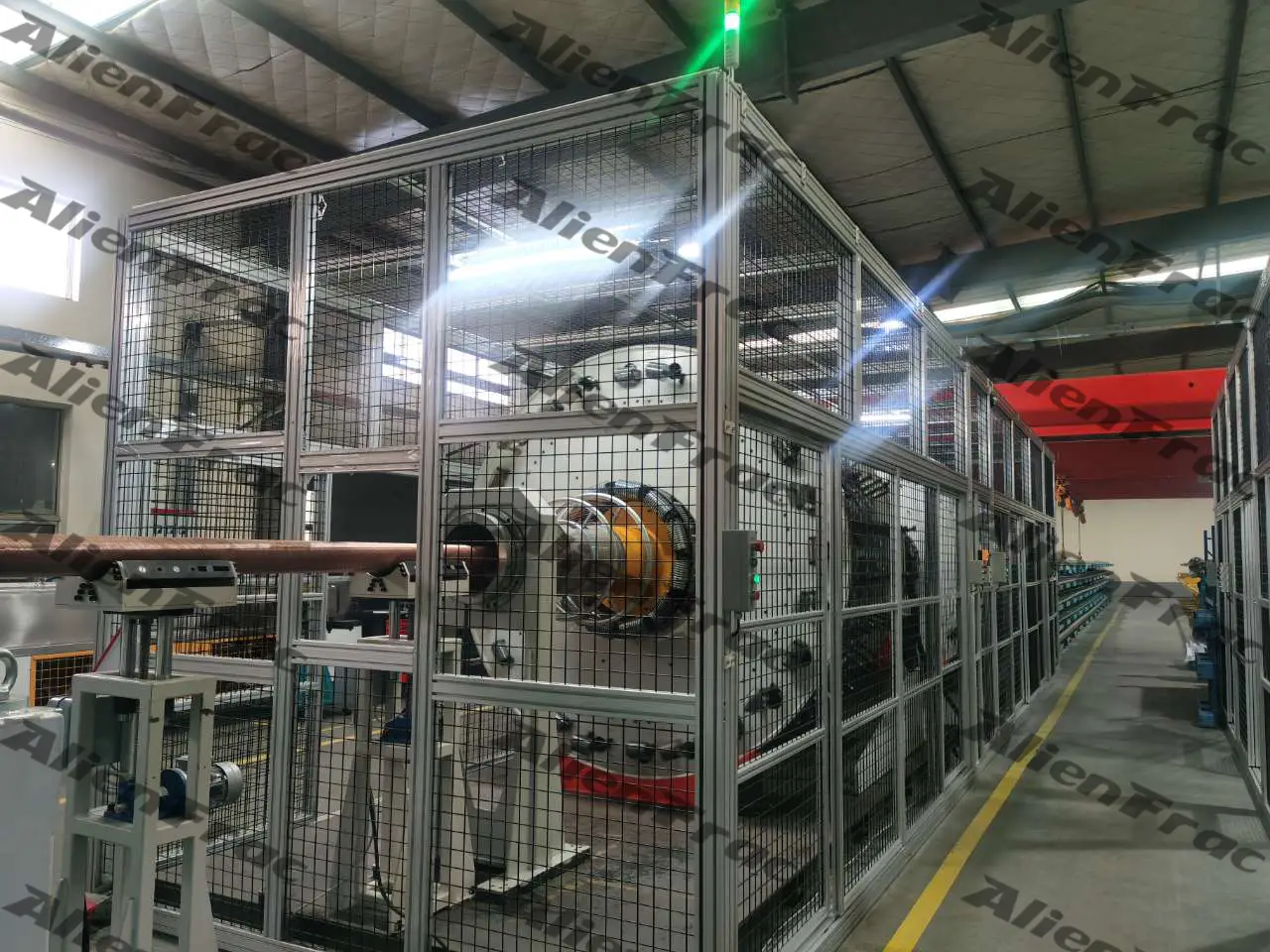
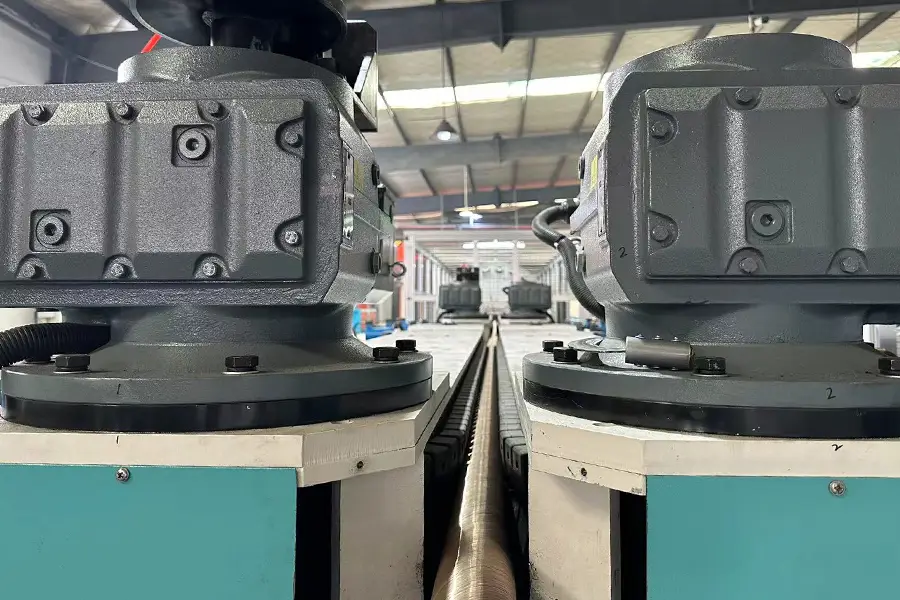
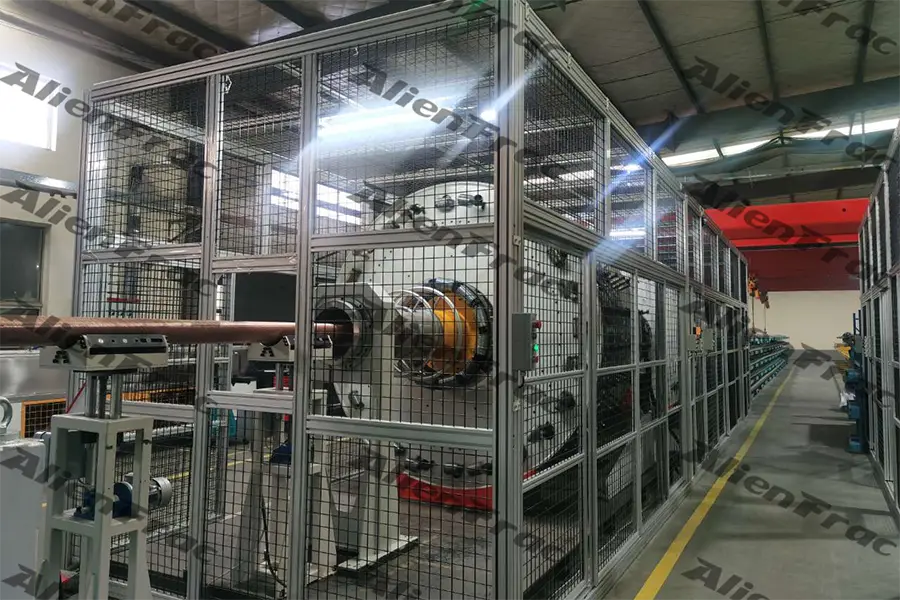
Advanced Manufacturing Equipment
Efficient German and American weaving, winding and spiral machines, UNIFLEX crimping, cooling system, innovative large-scale hose machines, industry-leading.
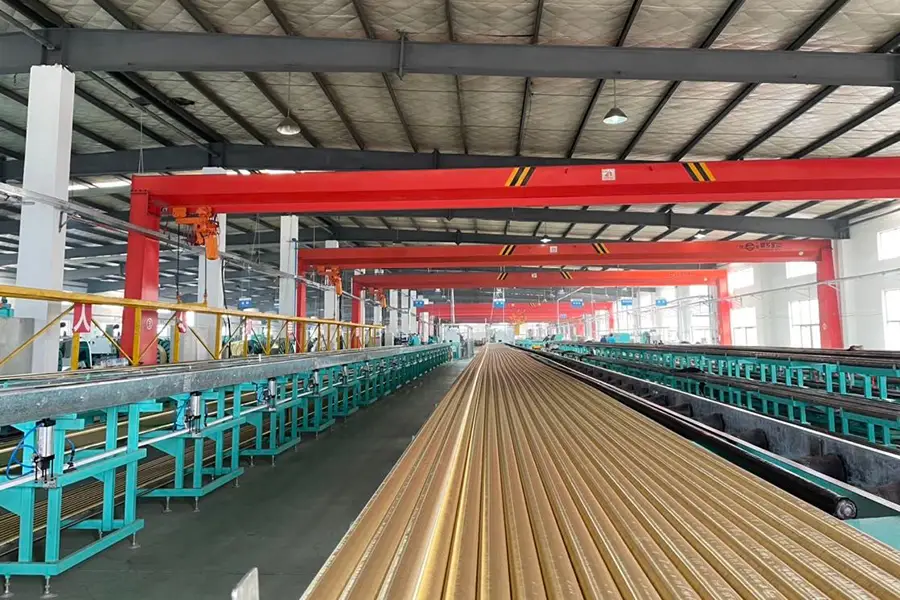
High Production Capacities
Our factory boasts extremely high production capacities, manufacturing a range of hoses, including large-caliber wire-wrapped oil drilling hoses at 1000 meters per day and hydraulic hoses at 120,000 meters per day.
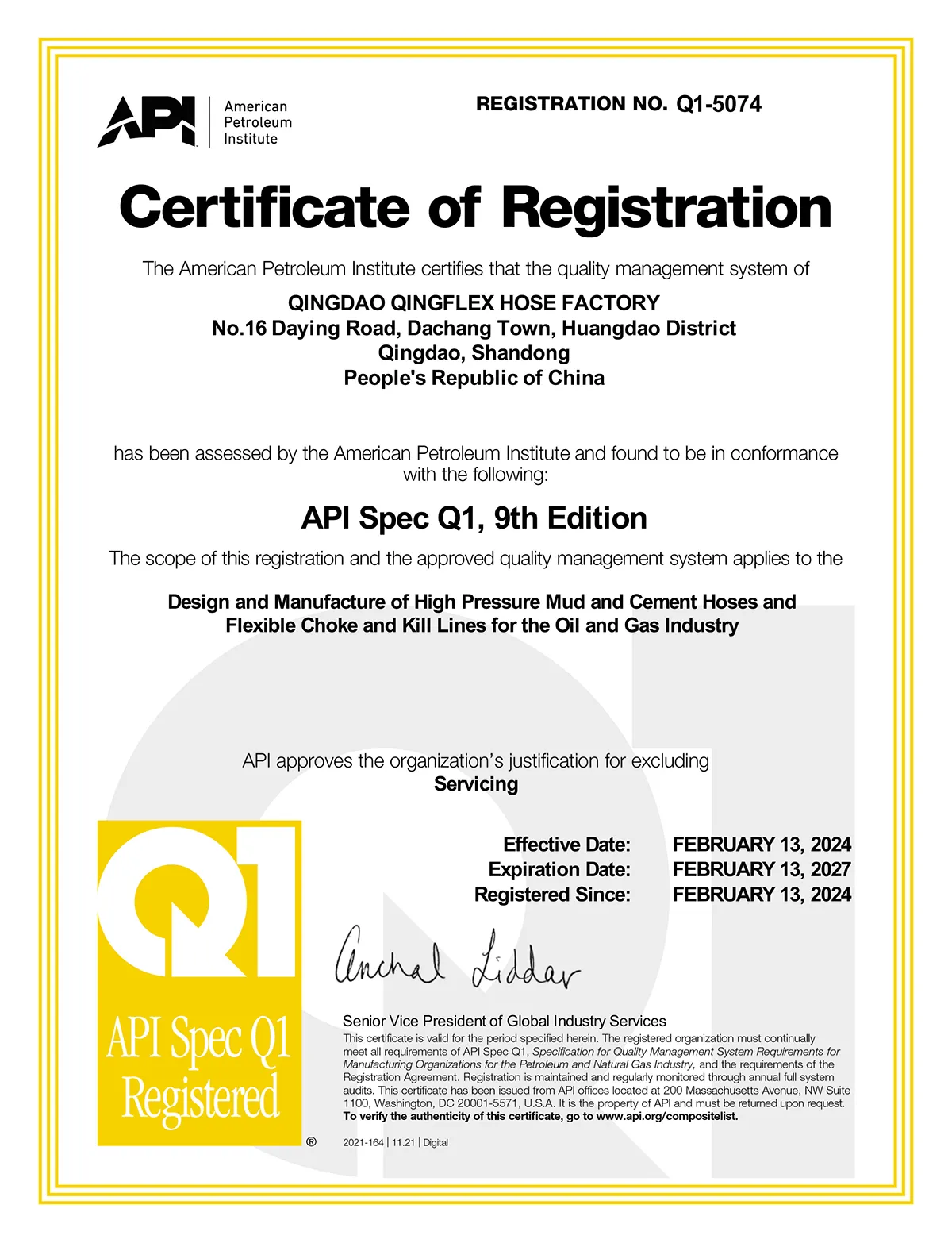
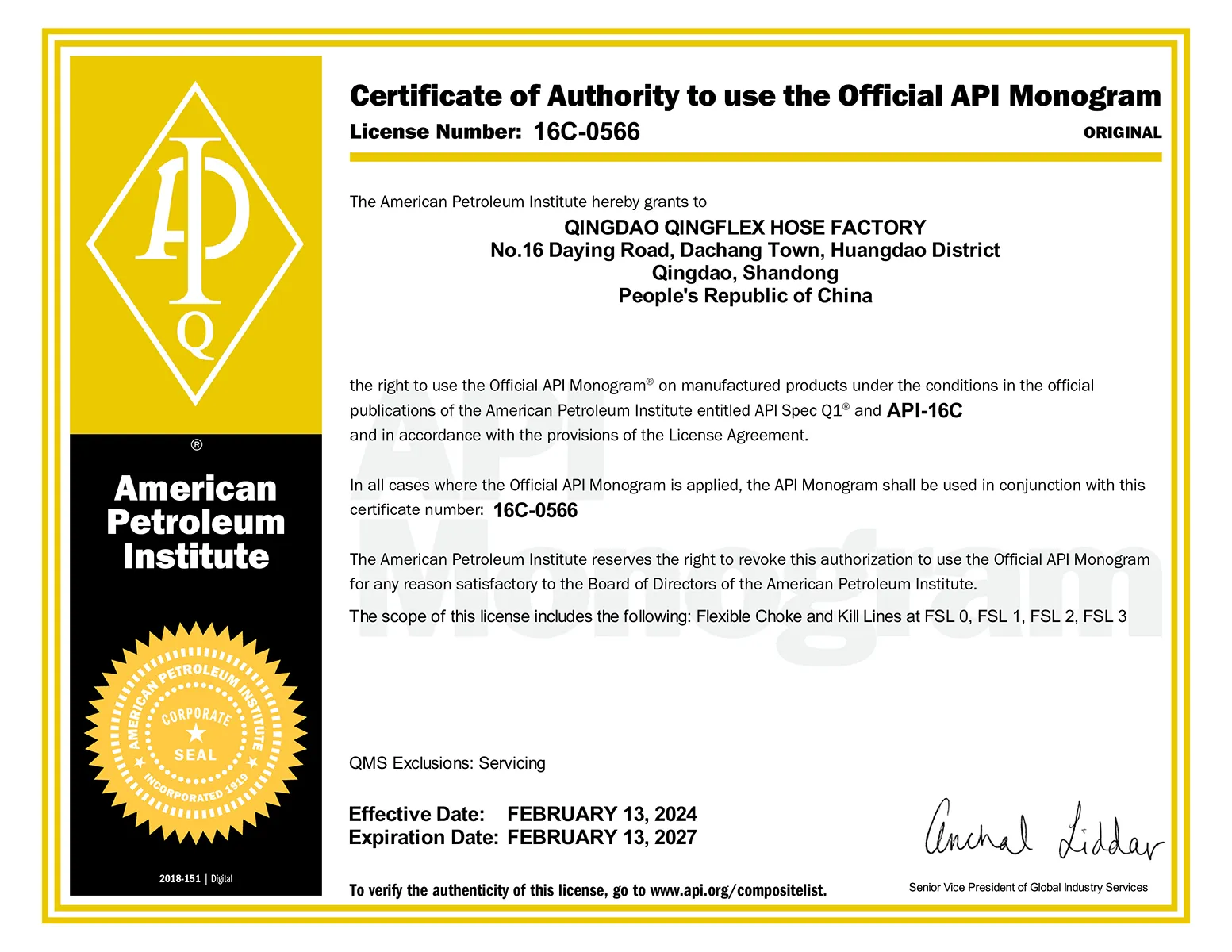
Reliable Quality
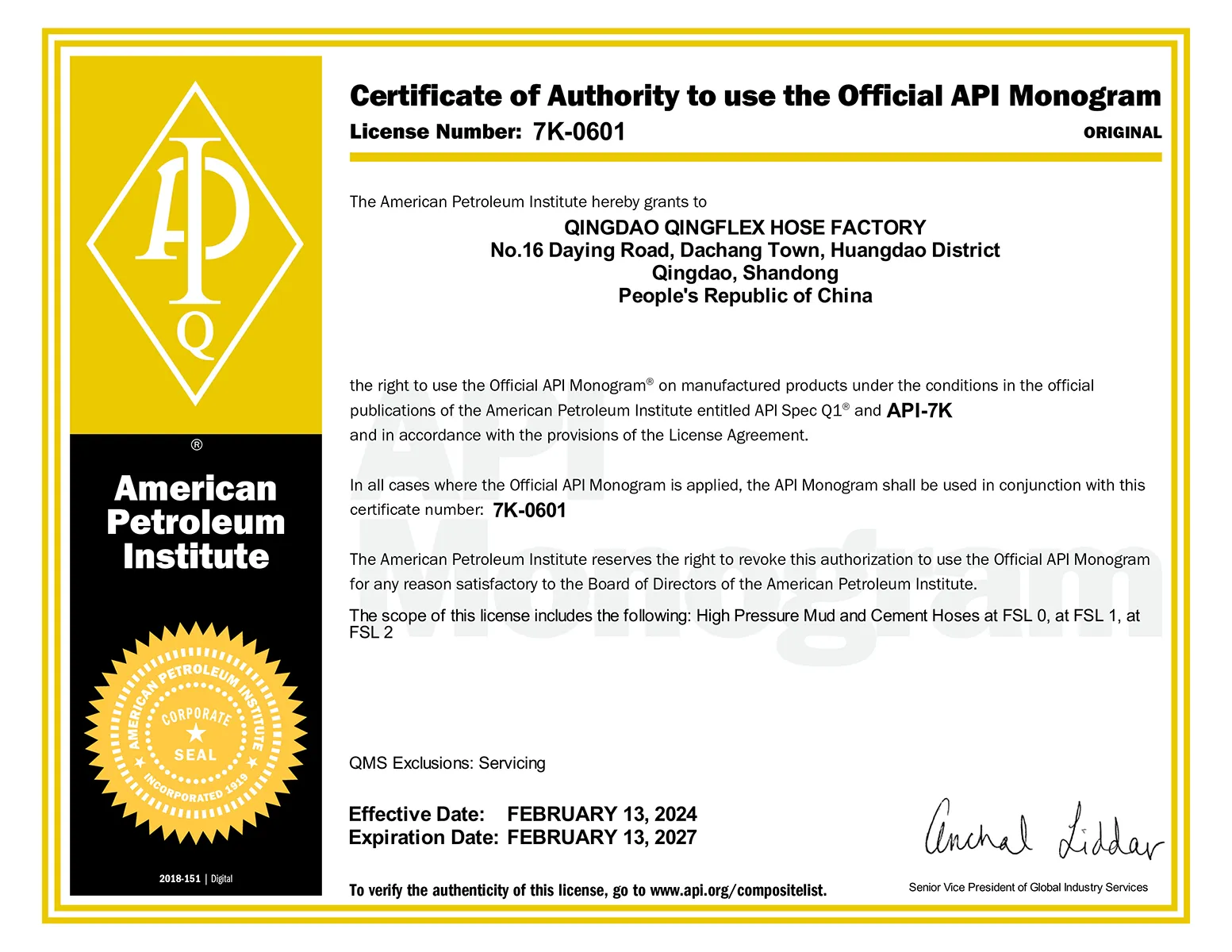
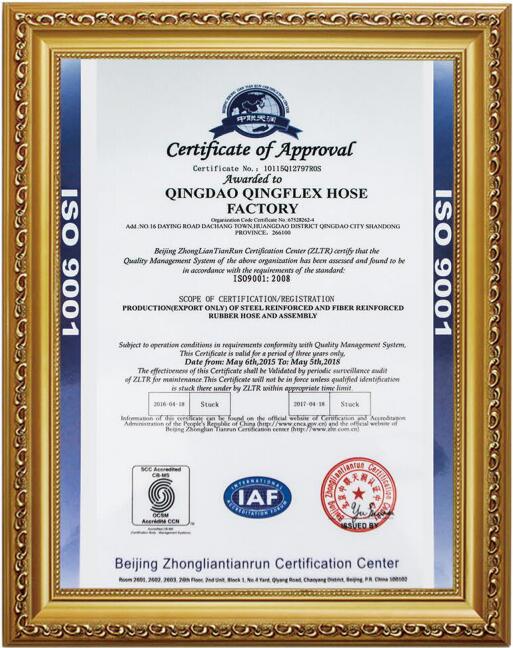
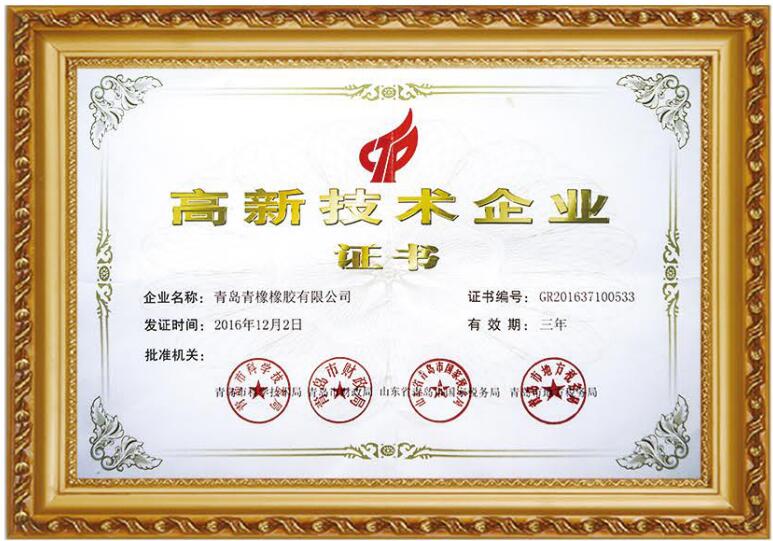
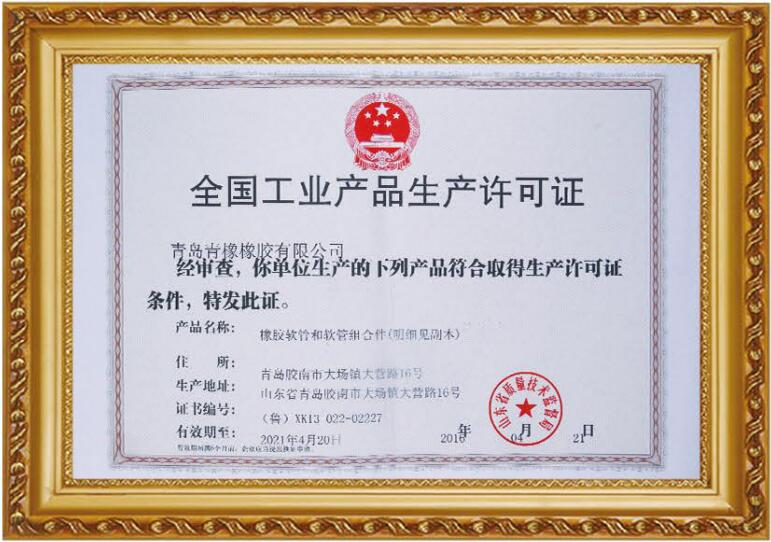
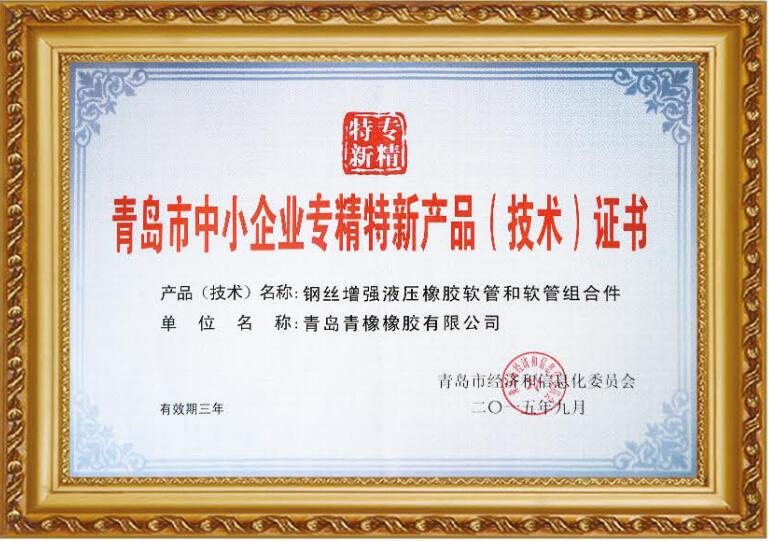
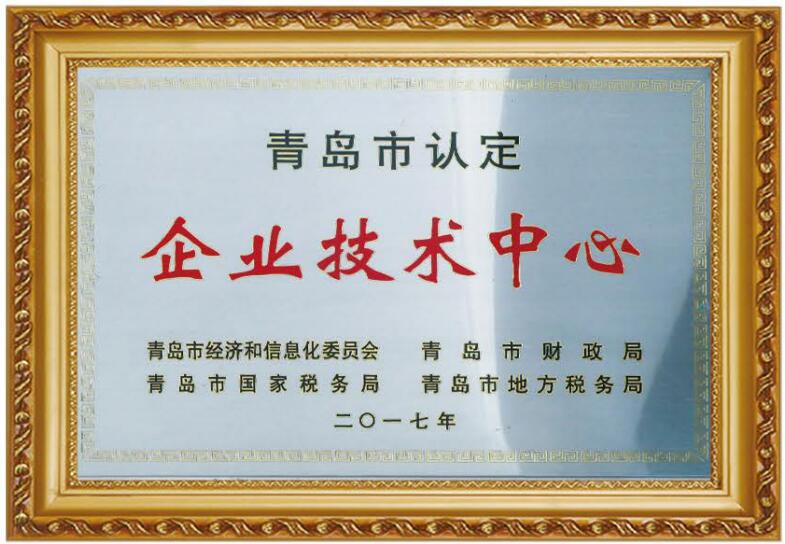
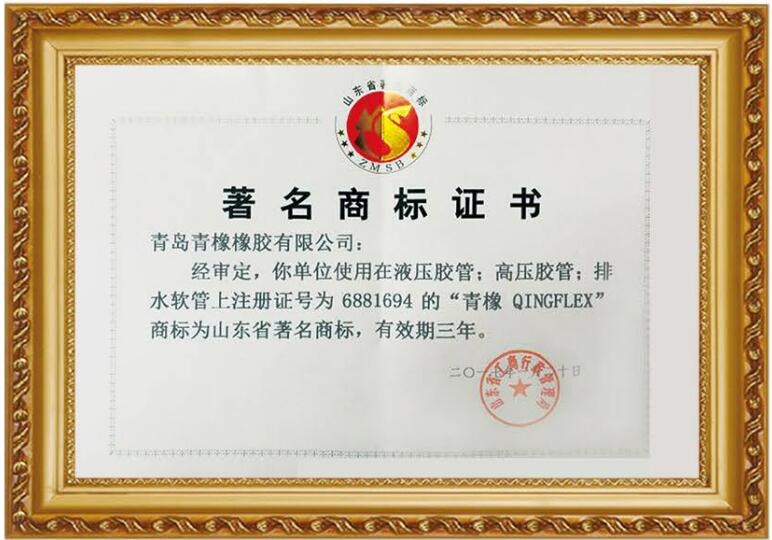
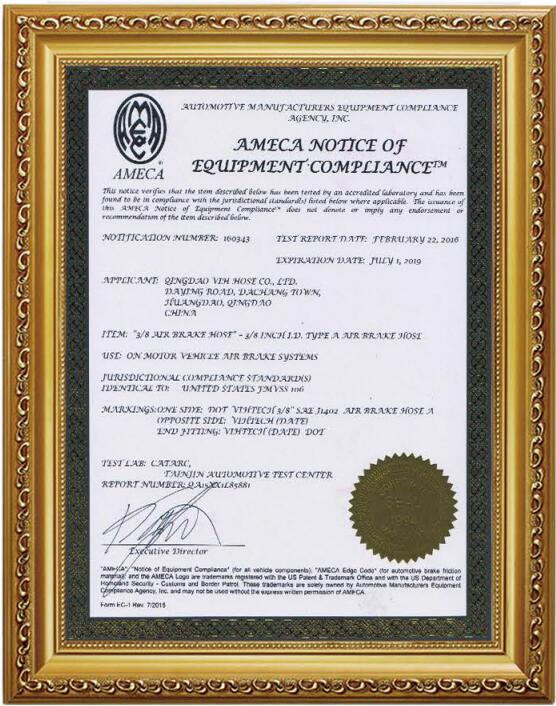
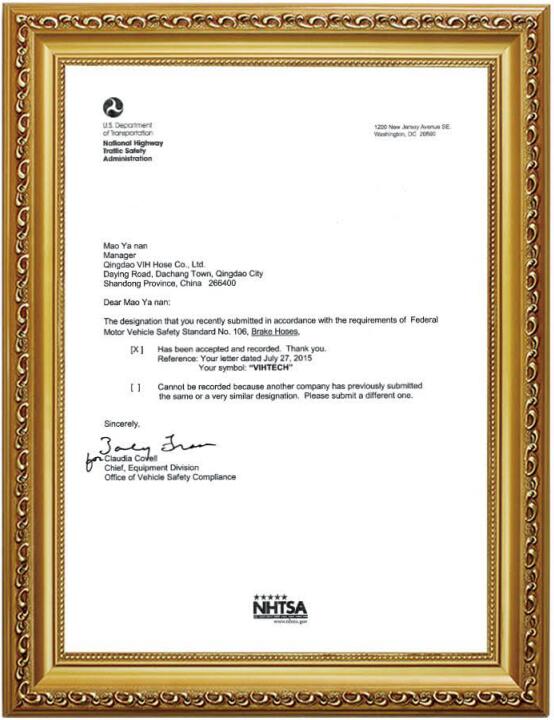
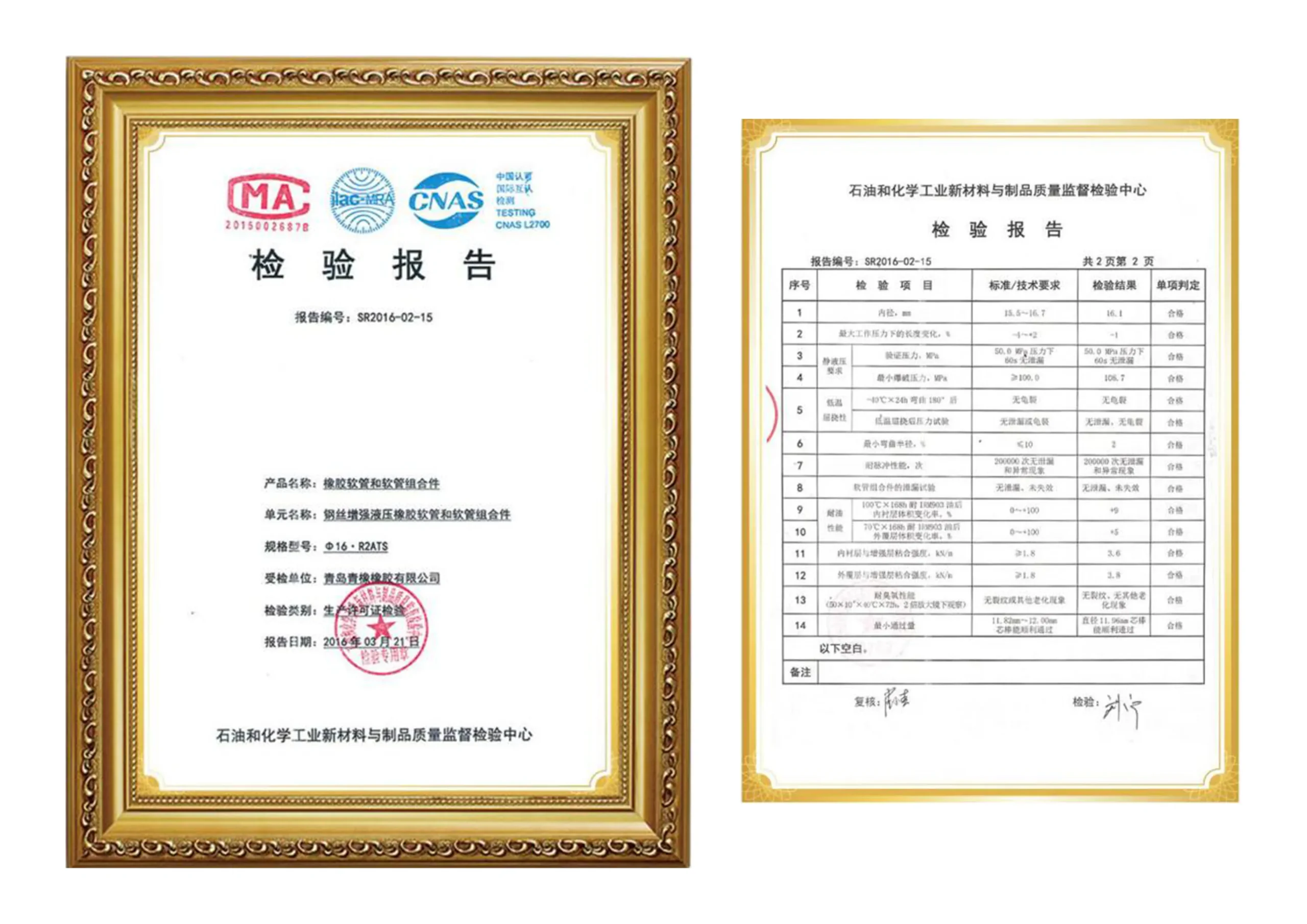
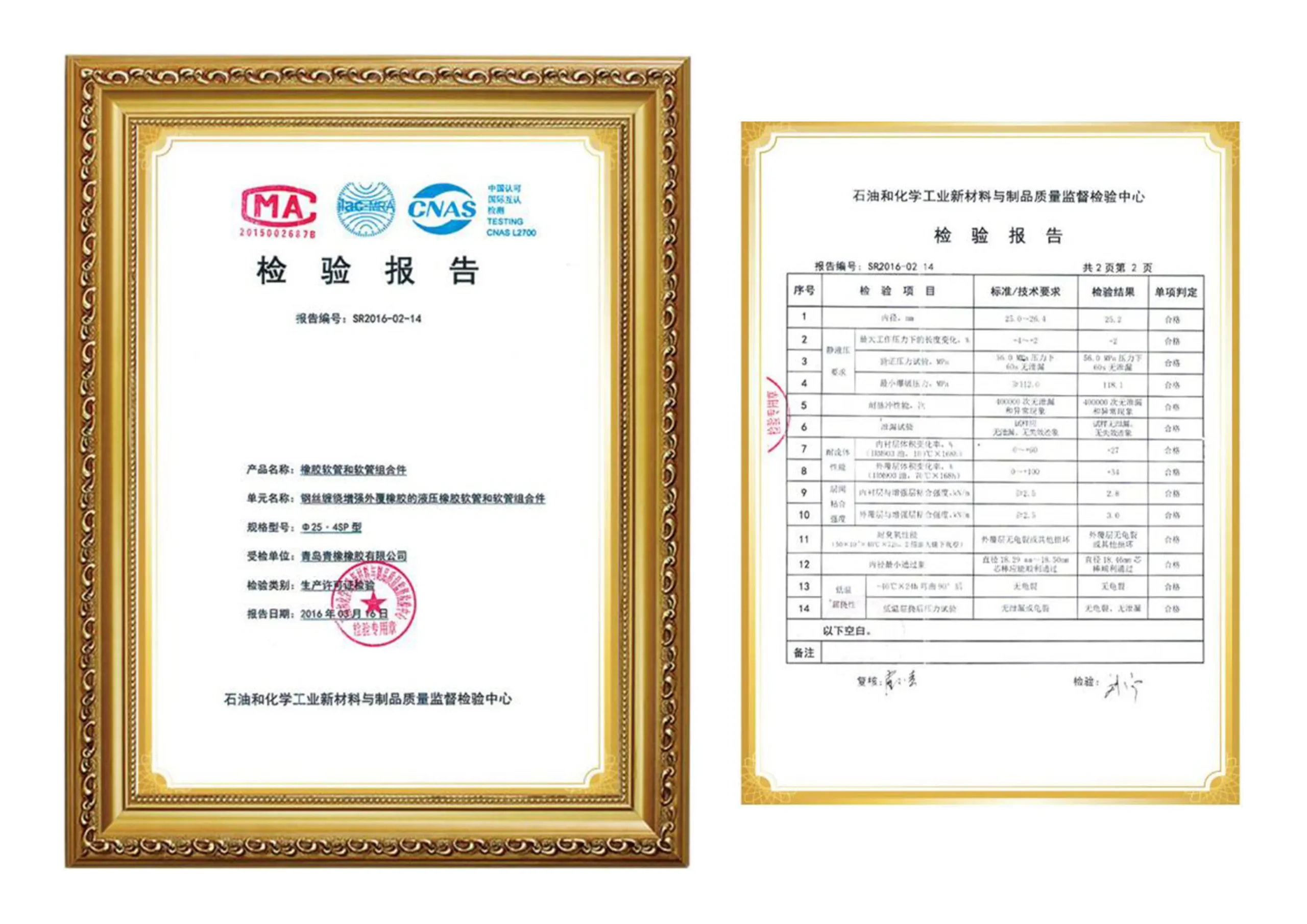
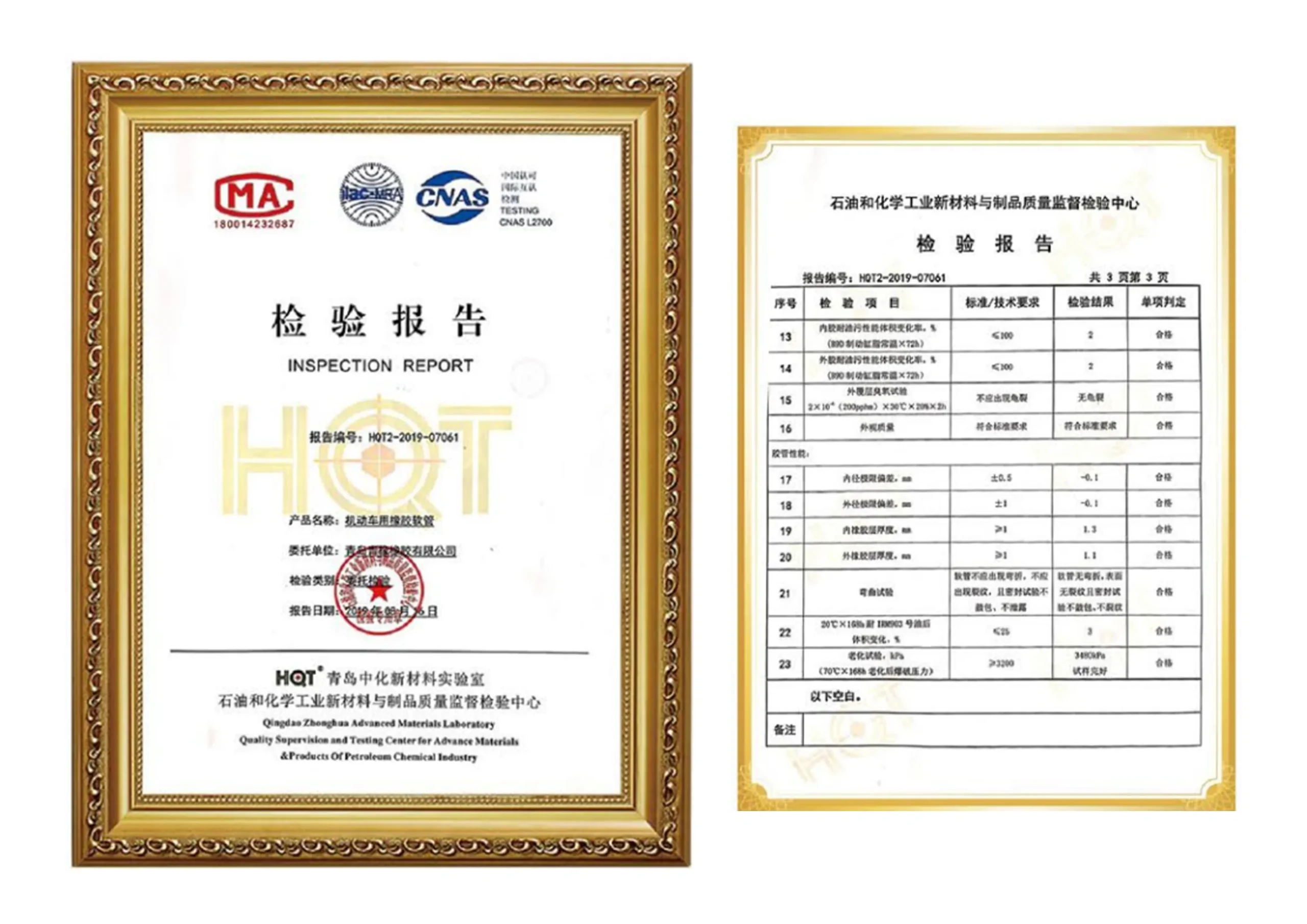
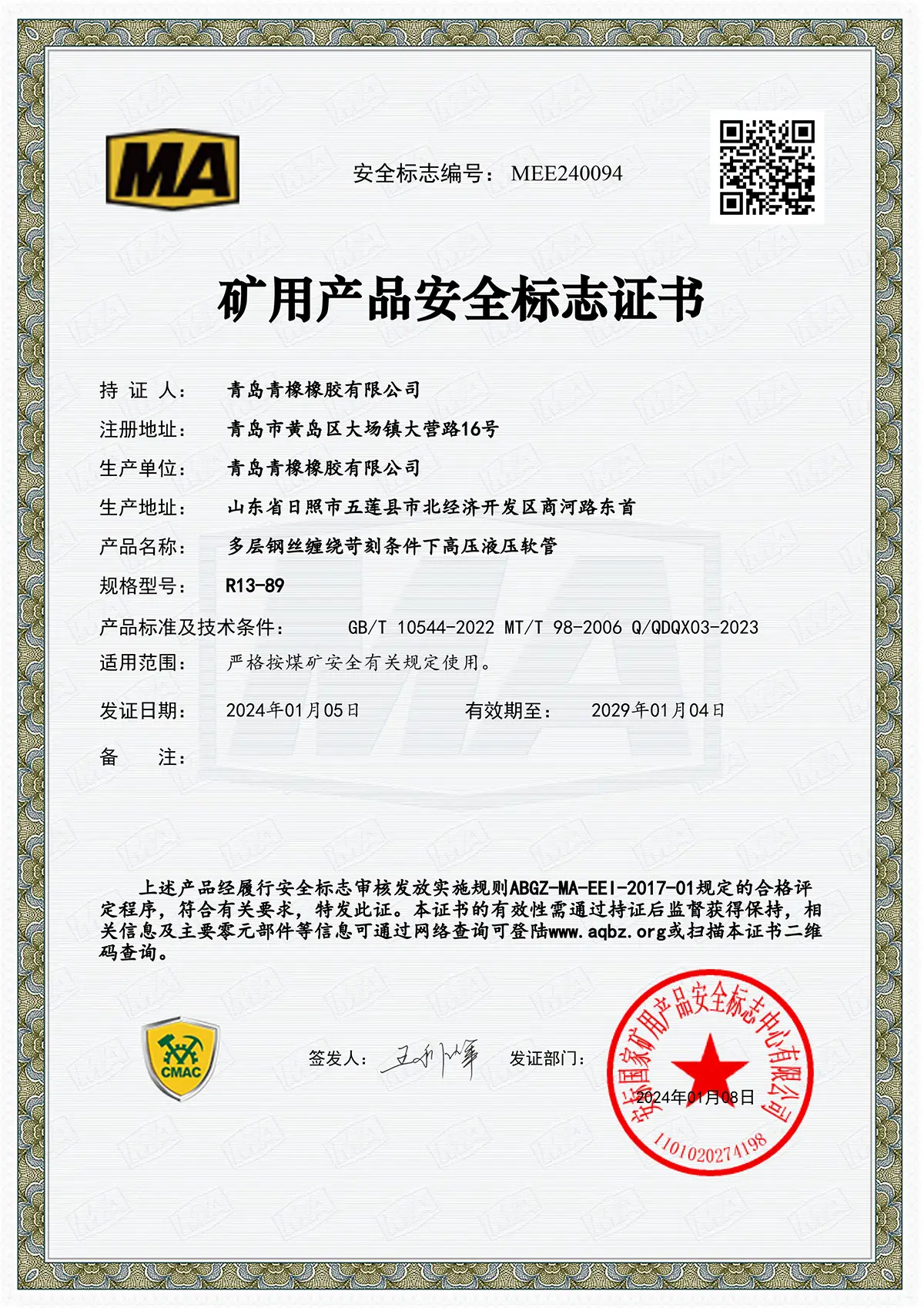
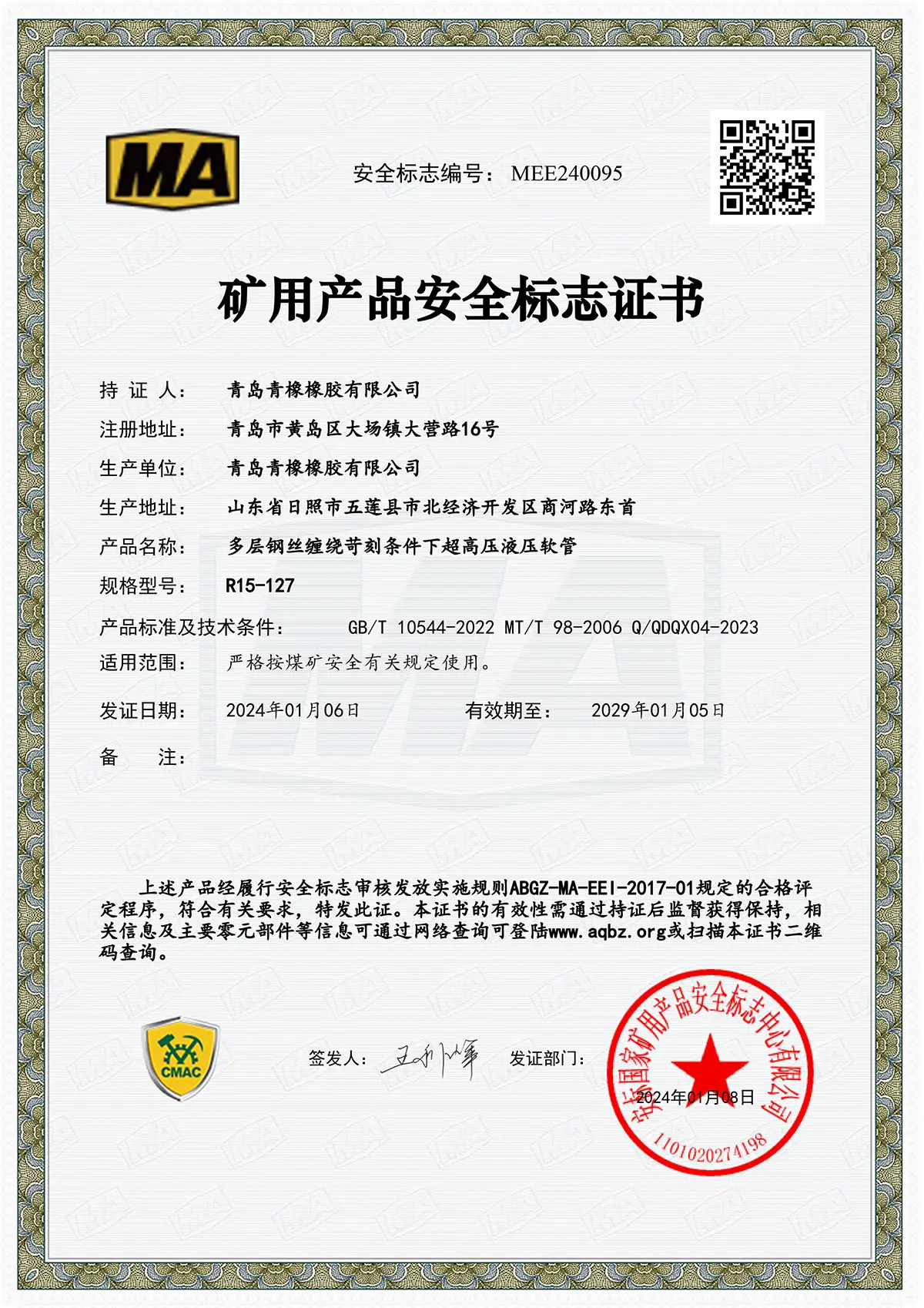
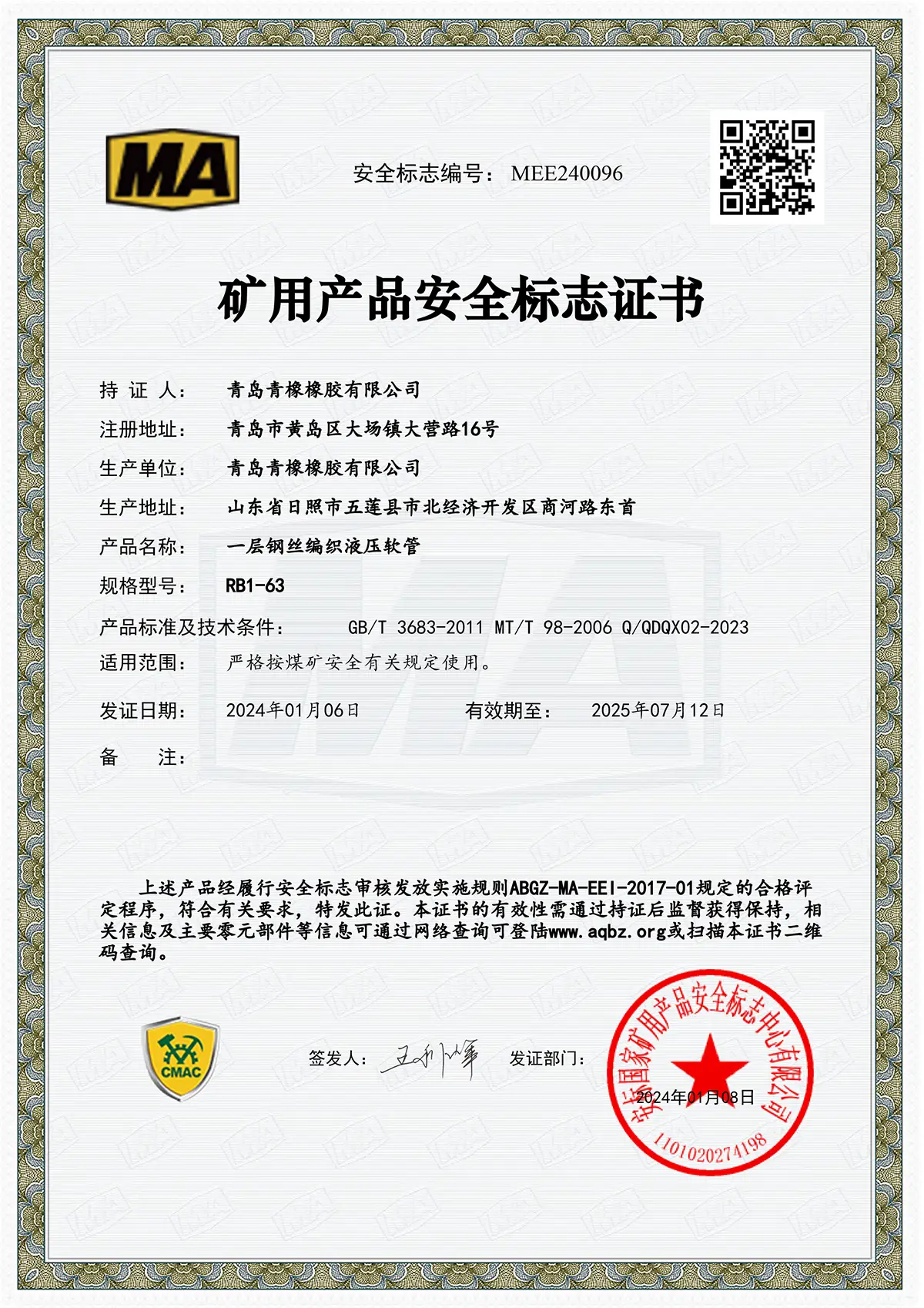
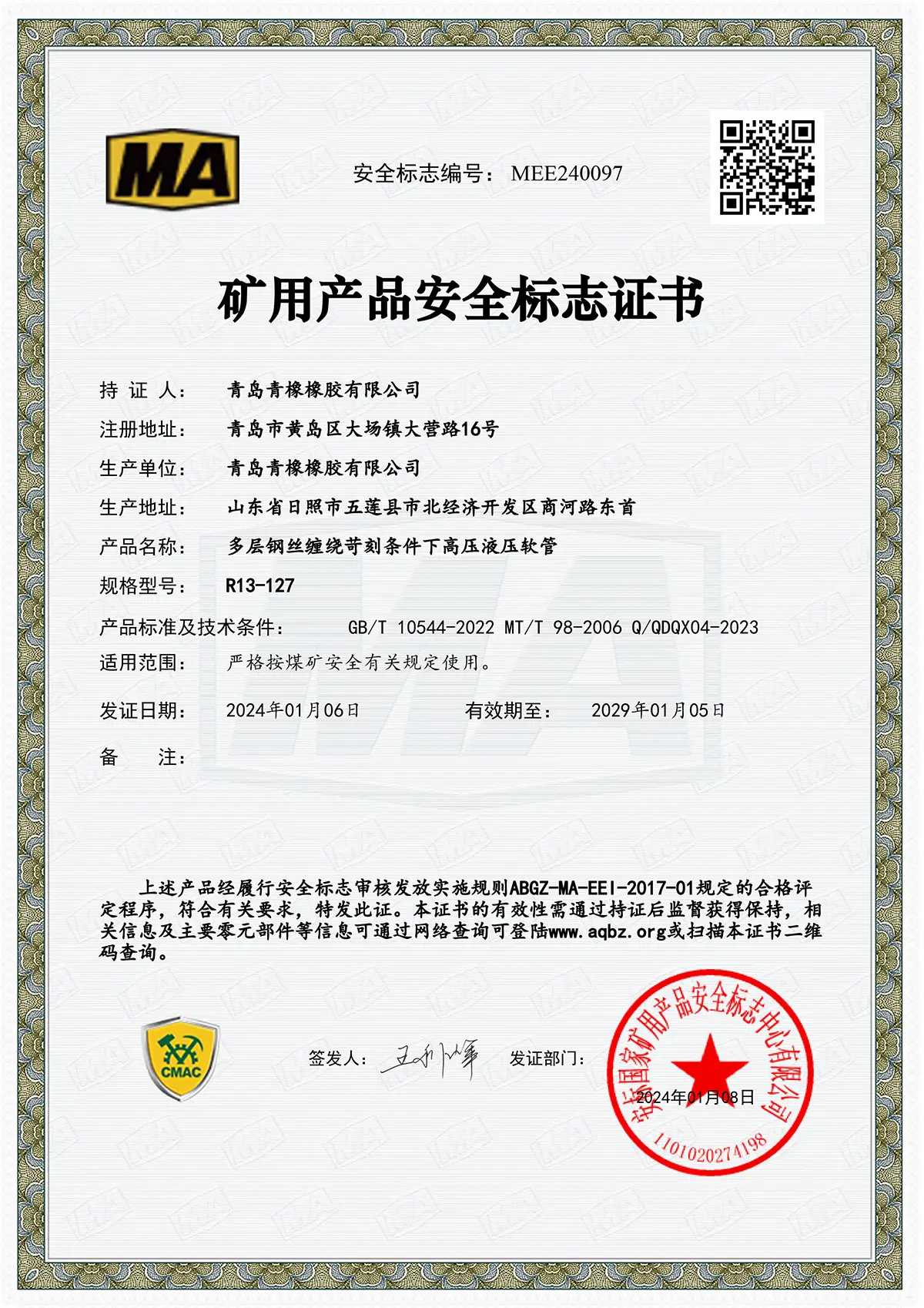
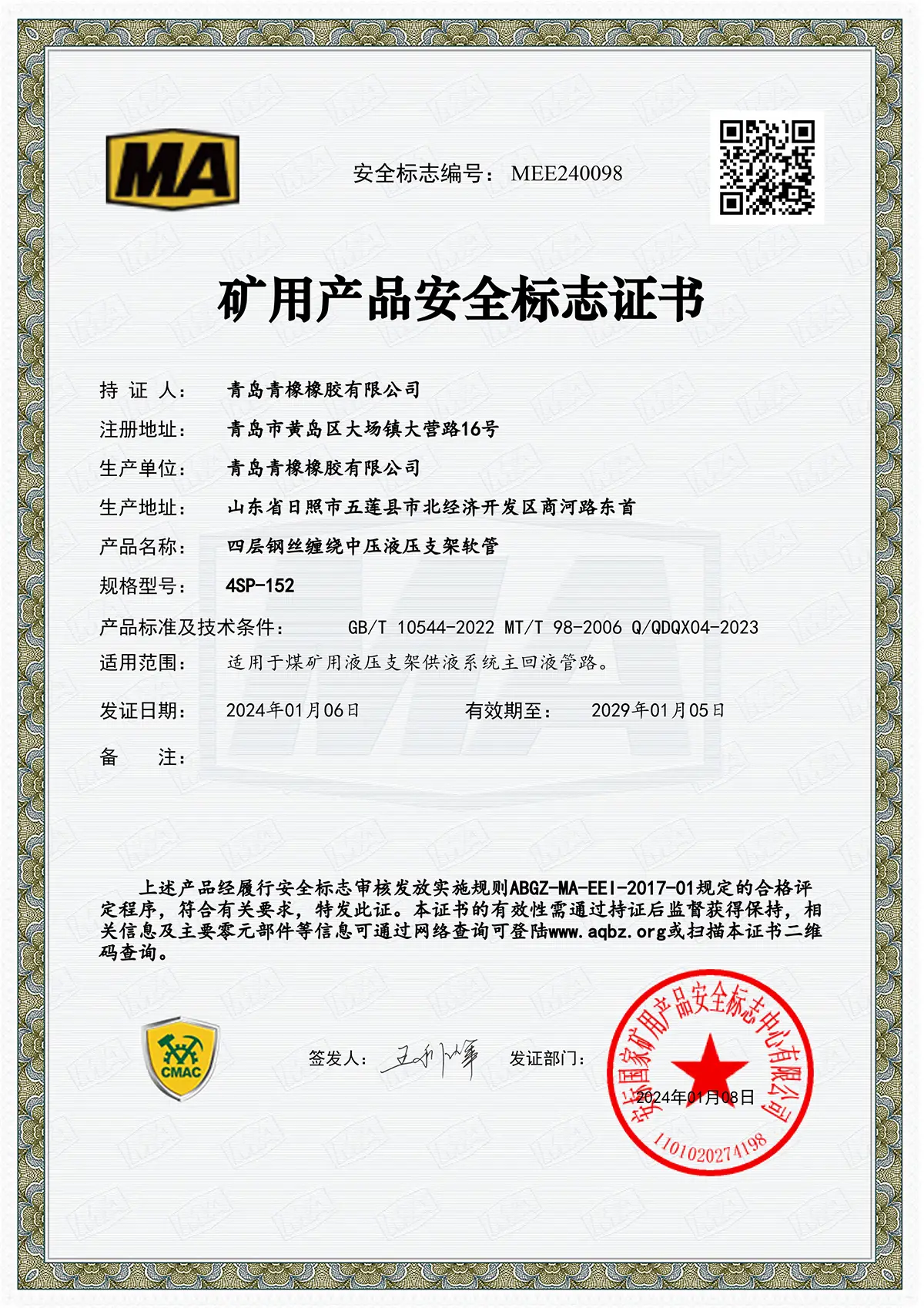
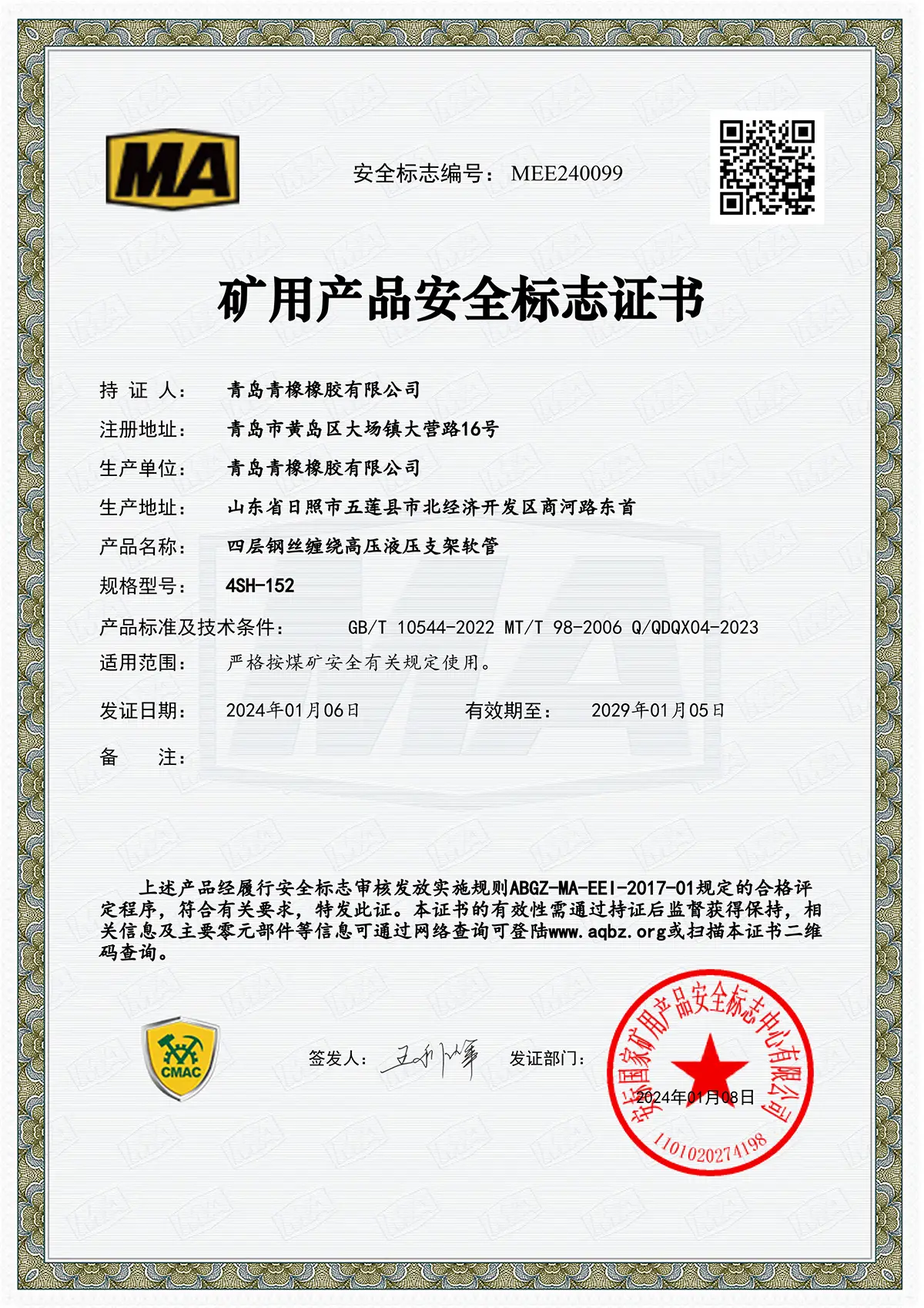
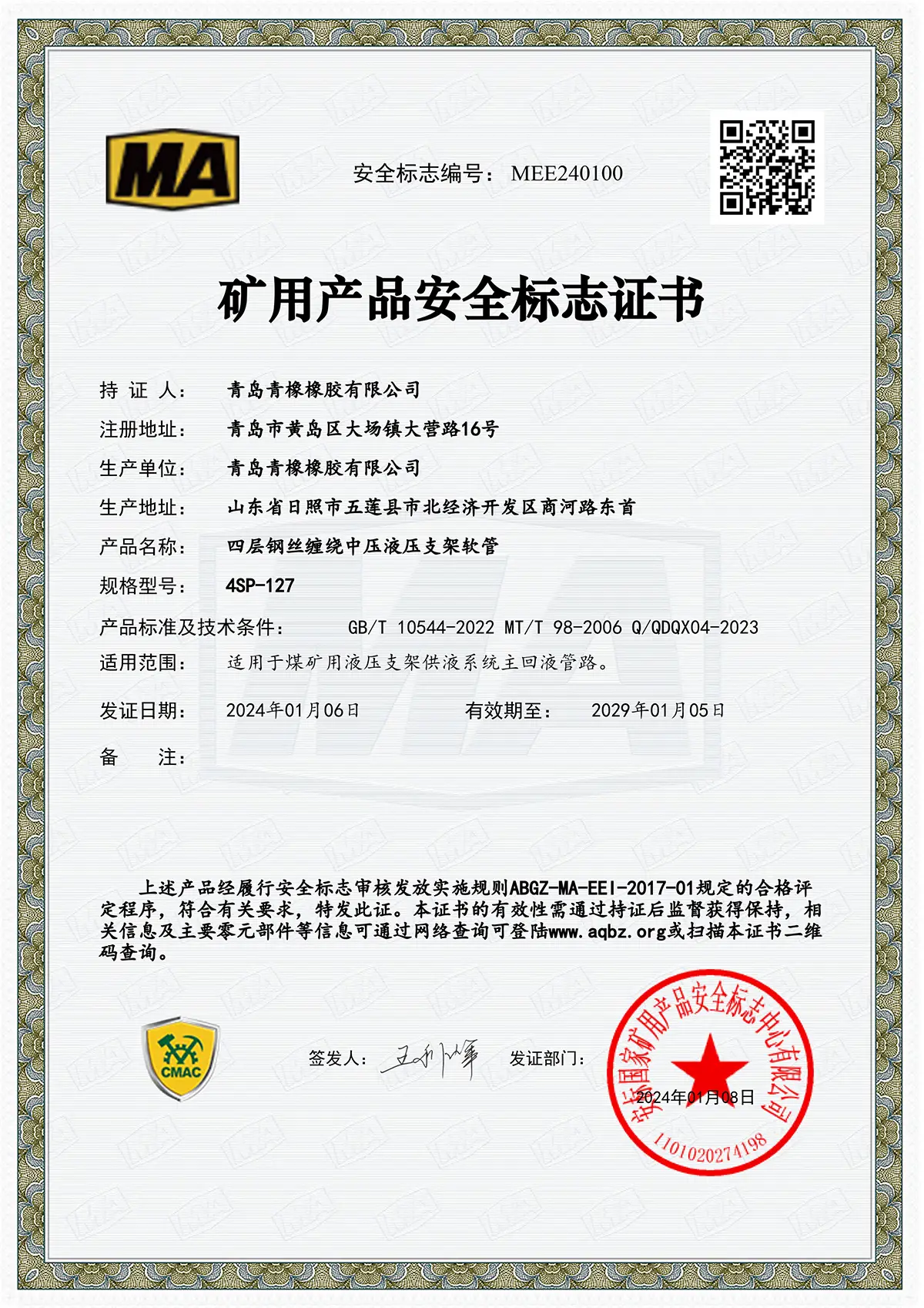
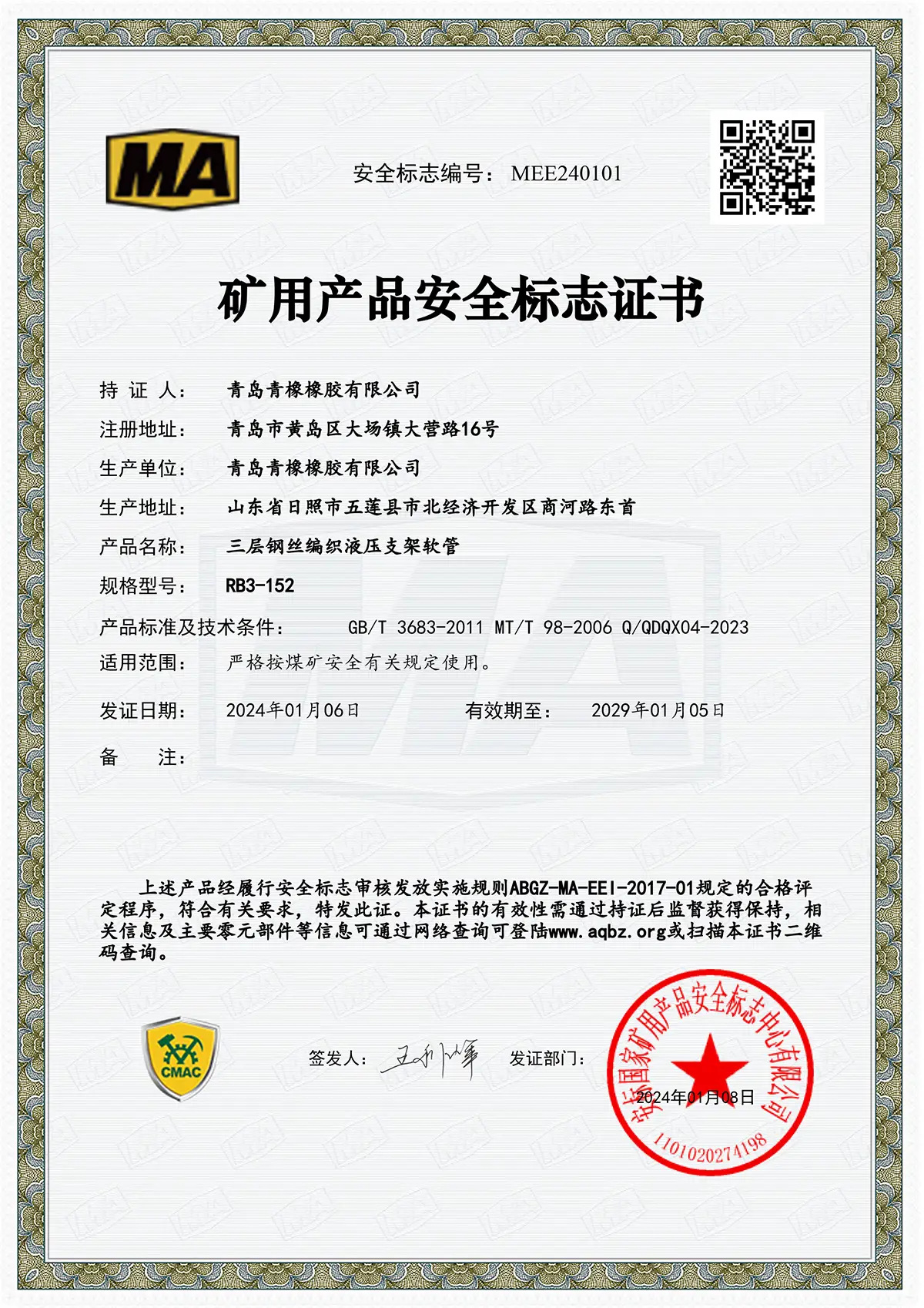
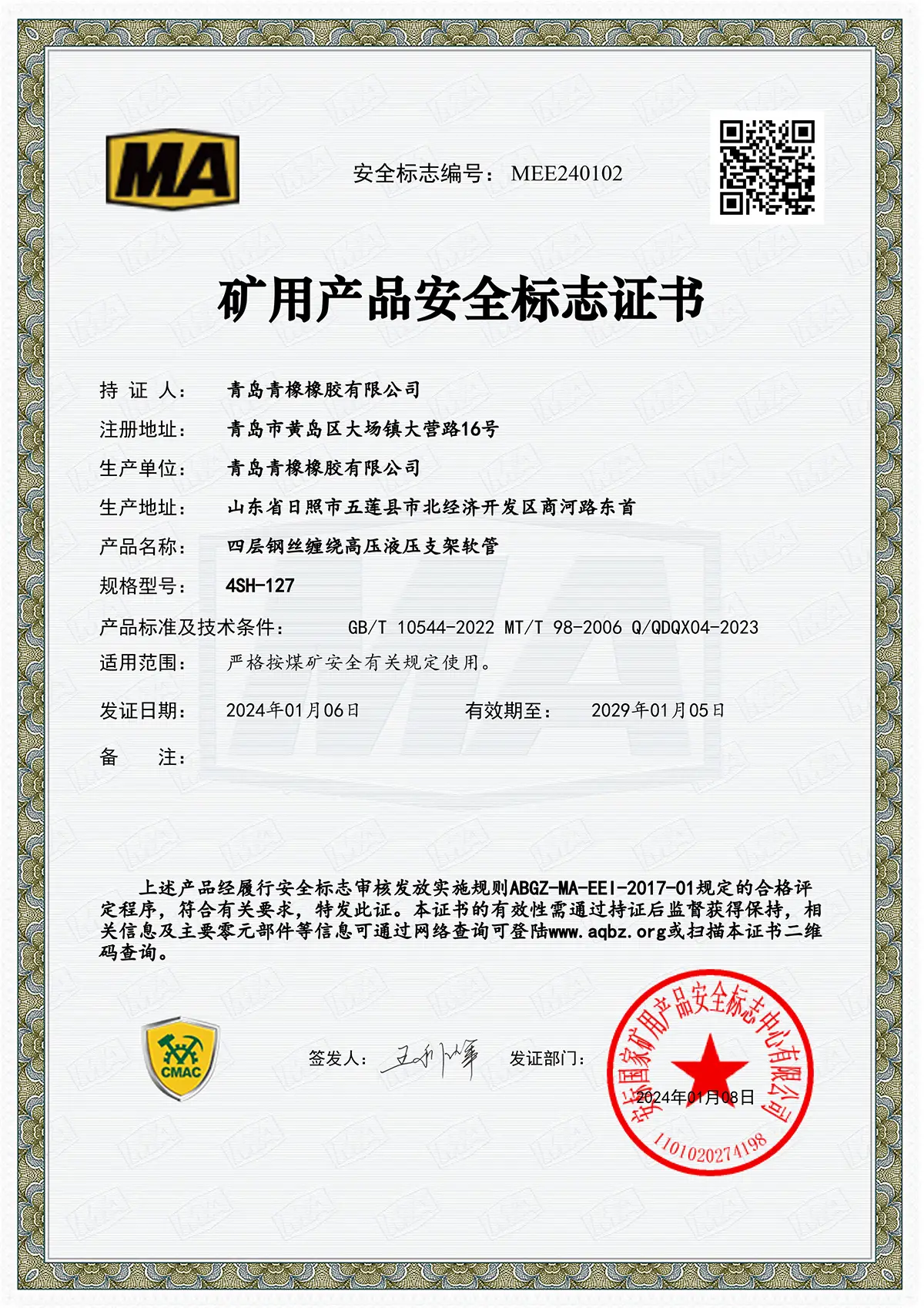
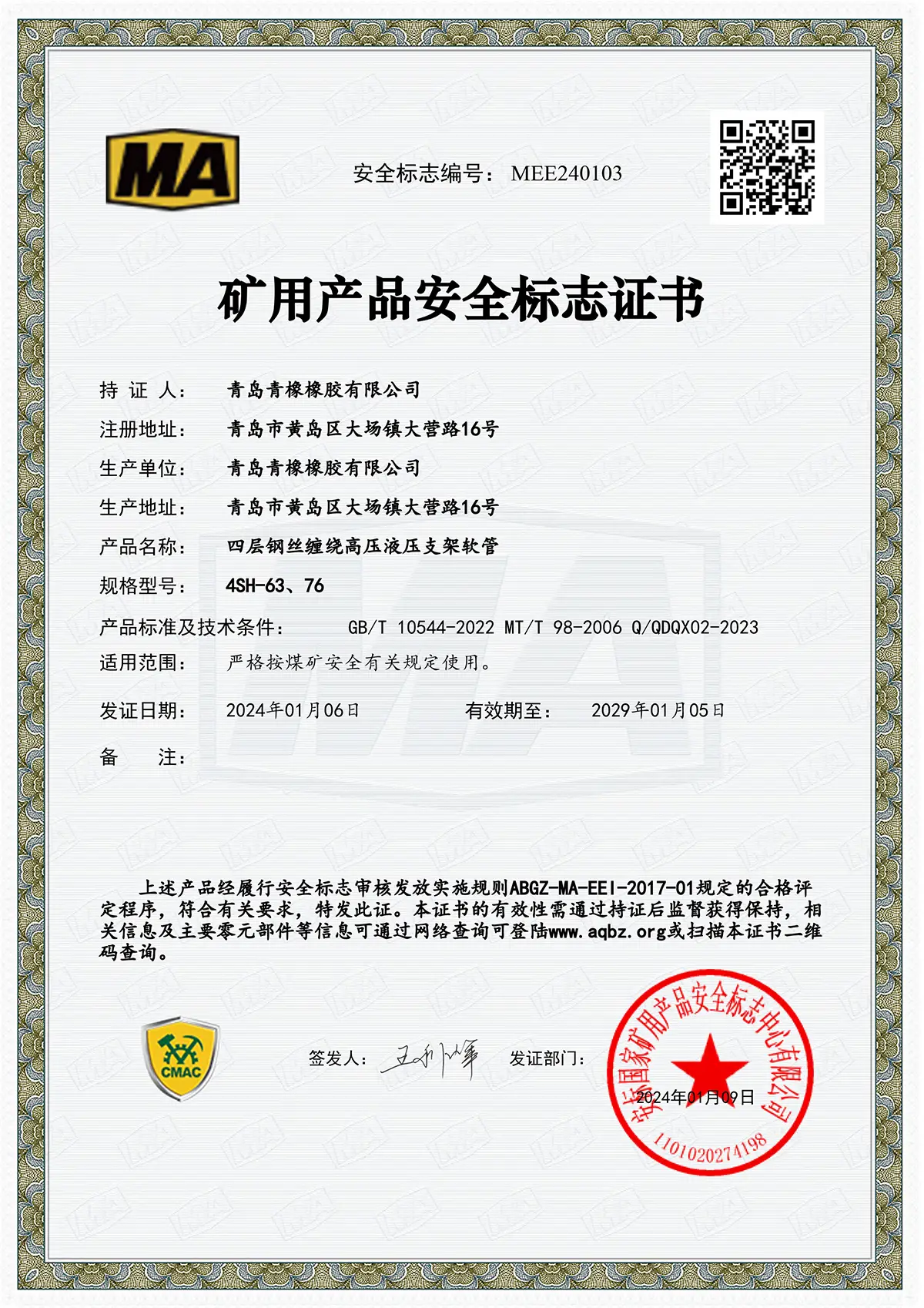
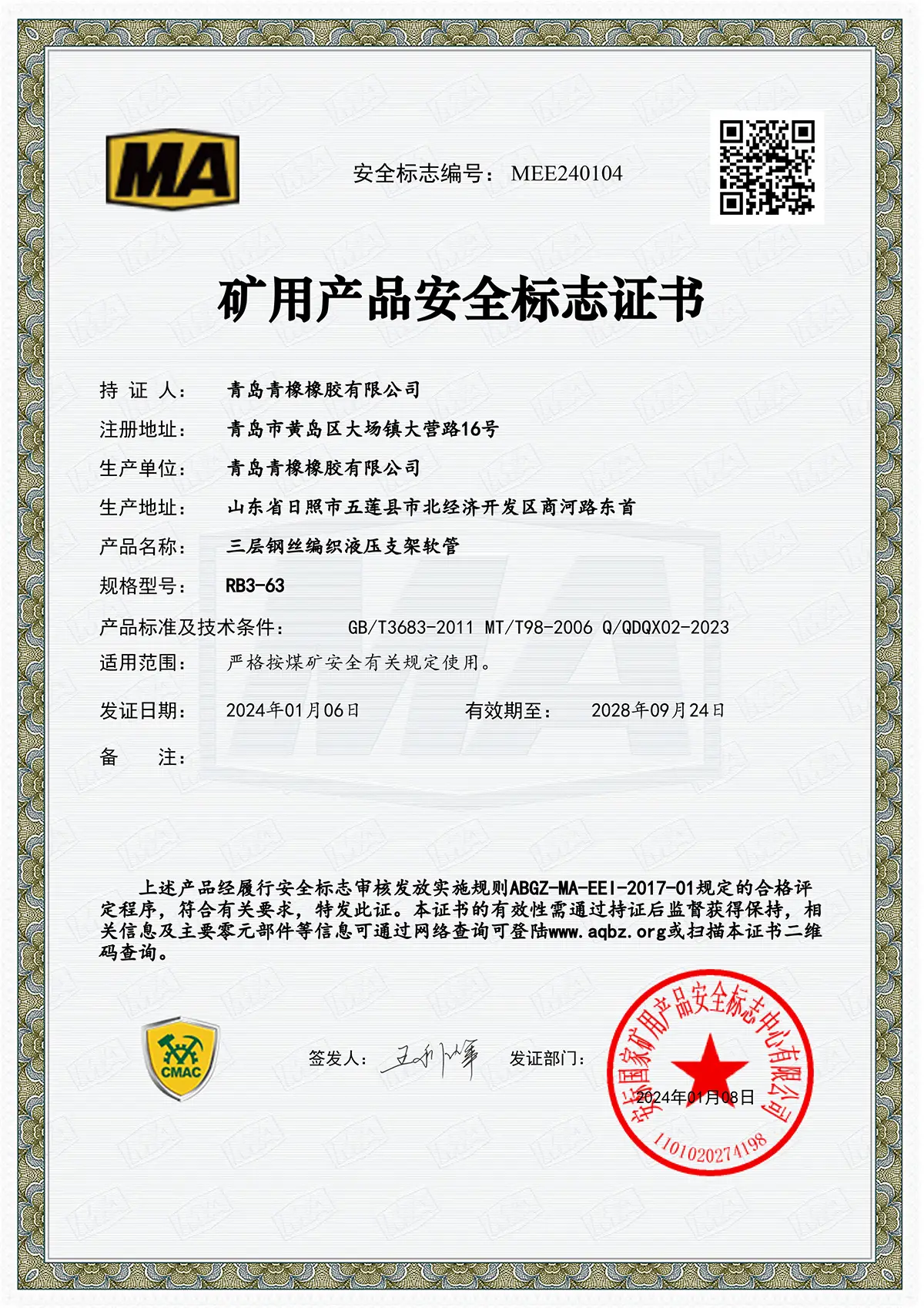
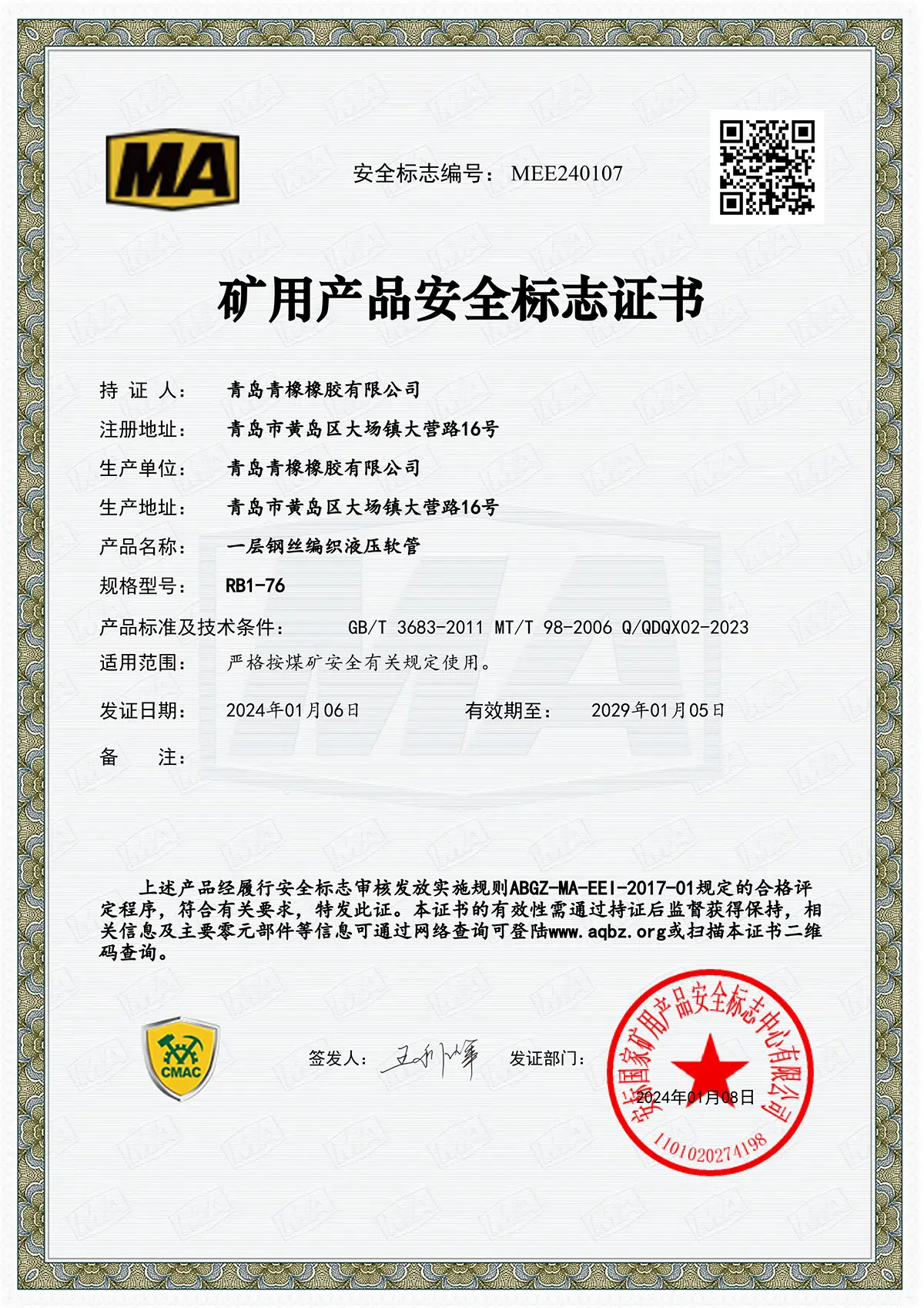
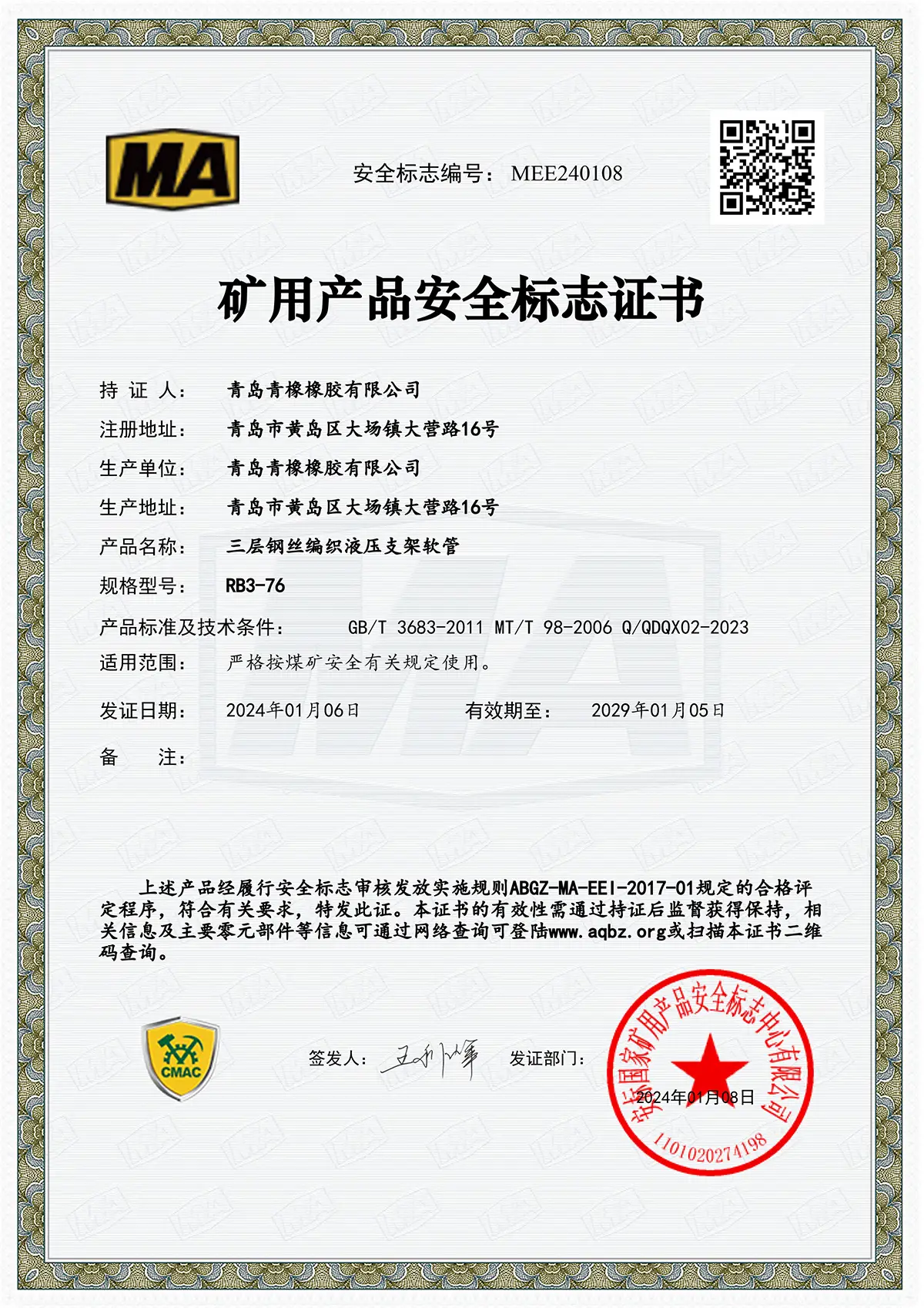
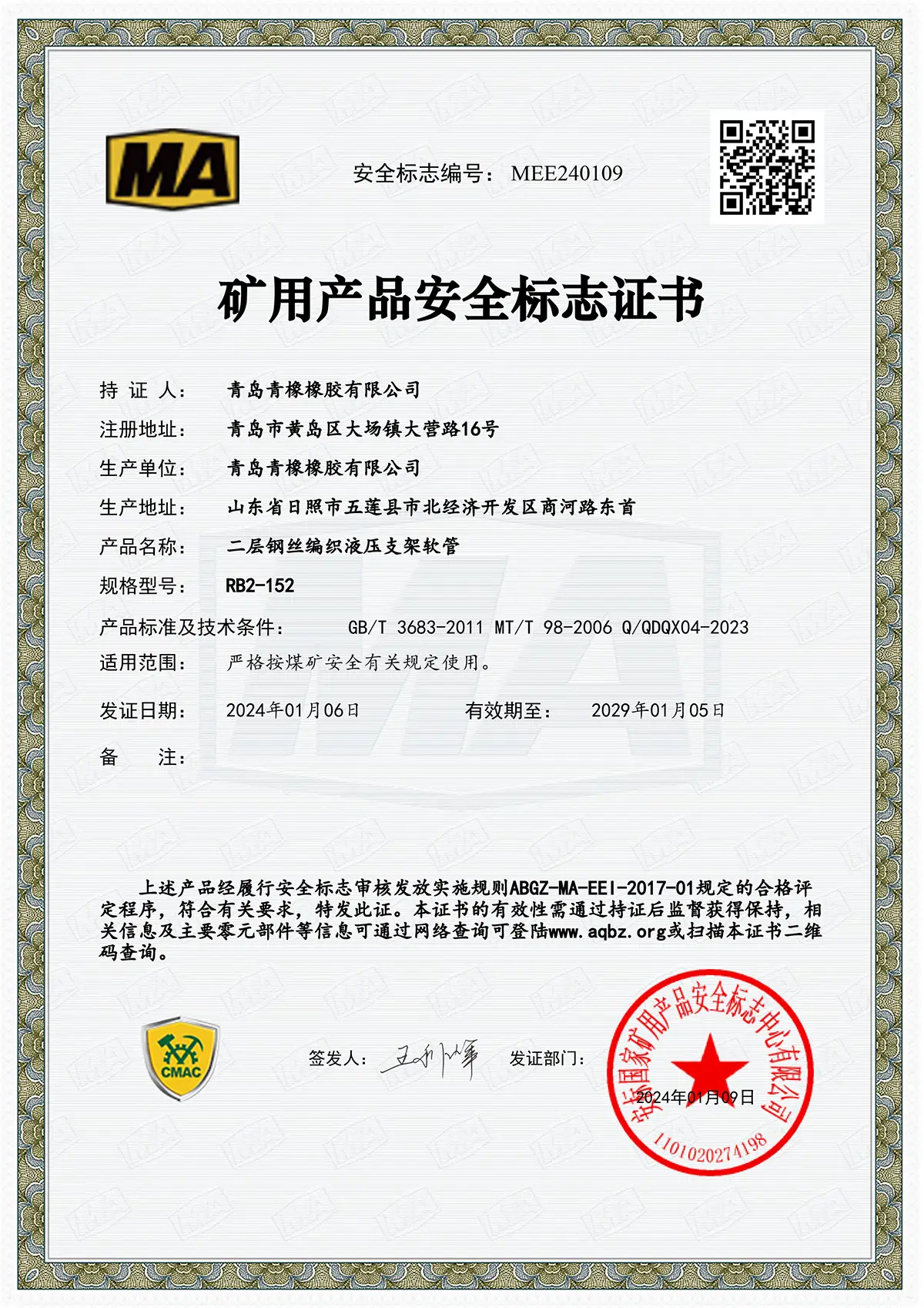
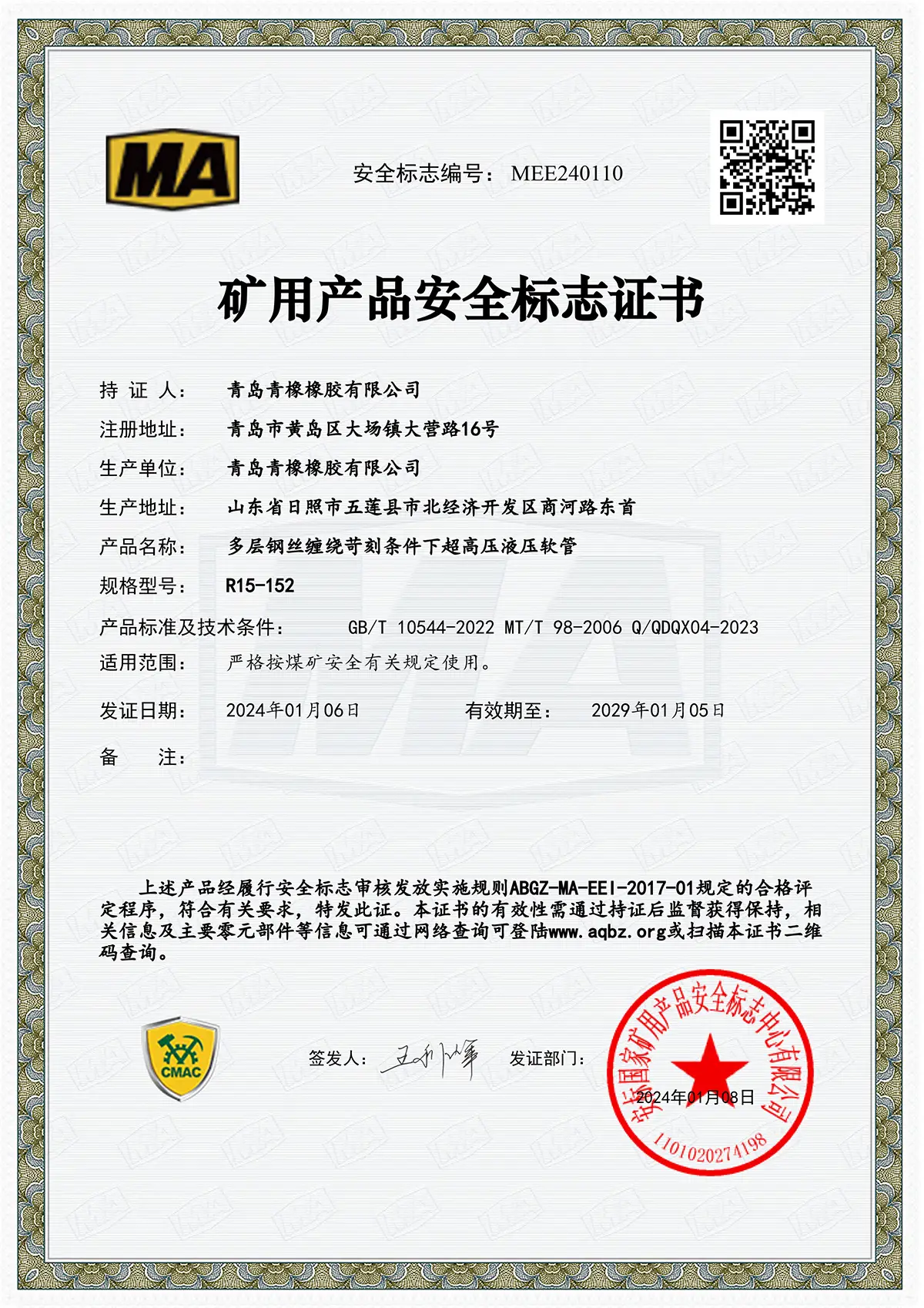
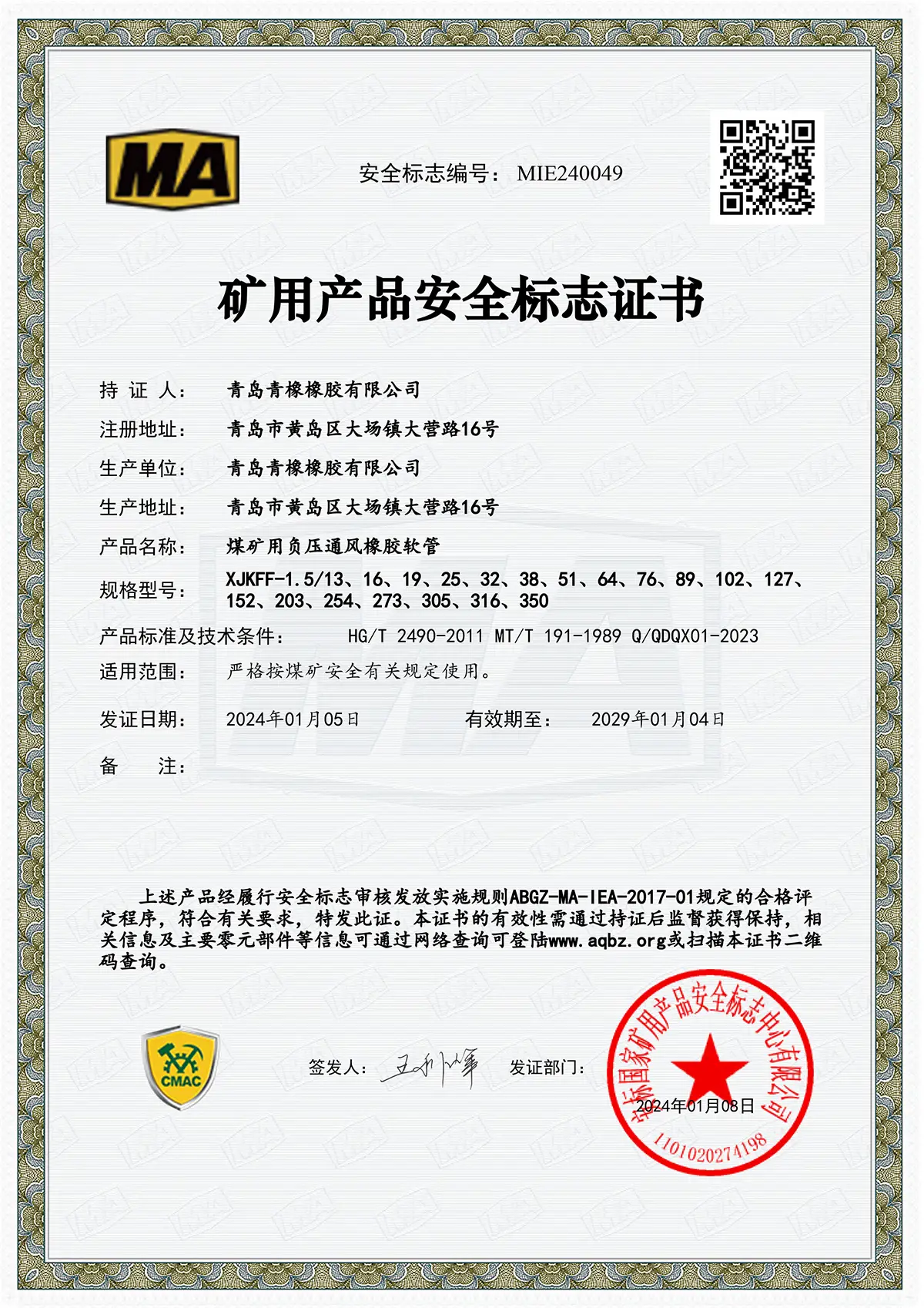
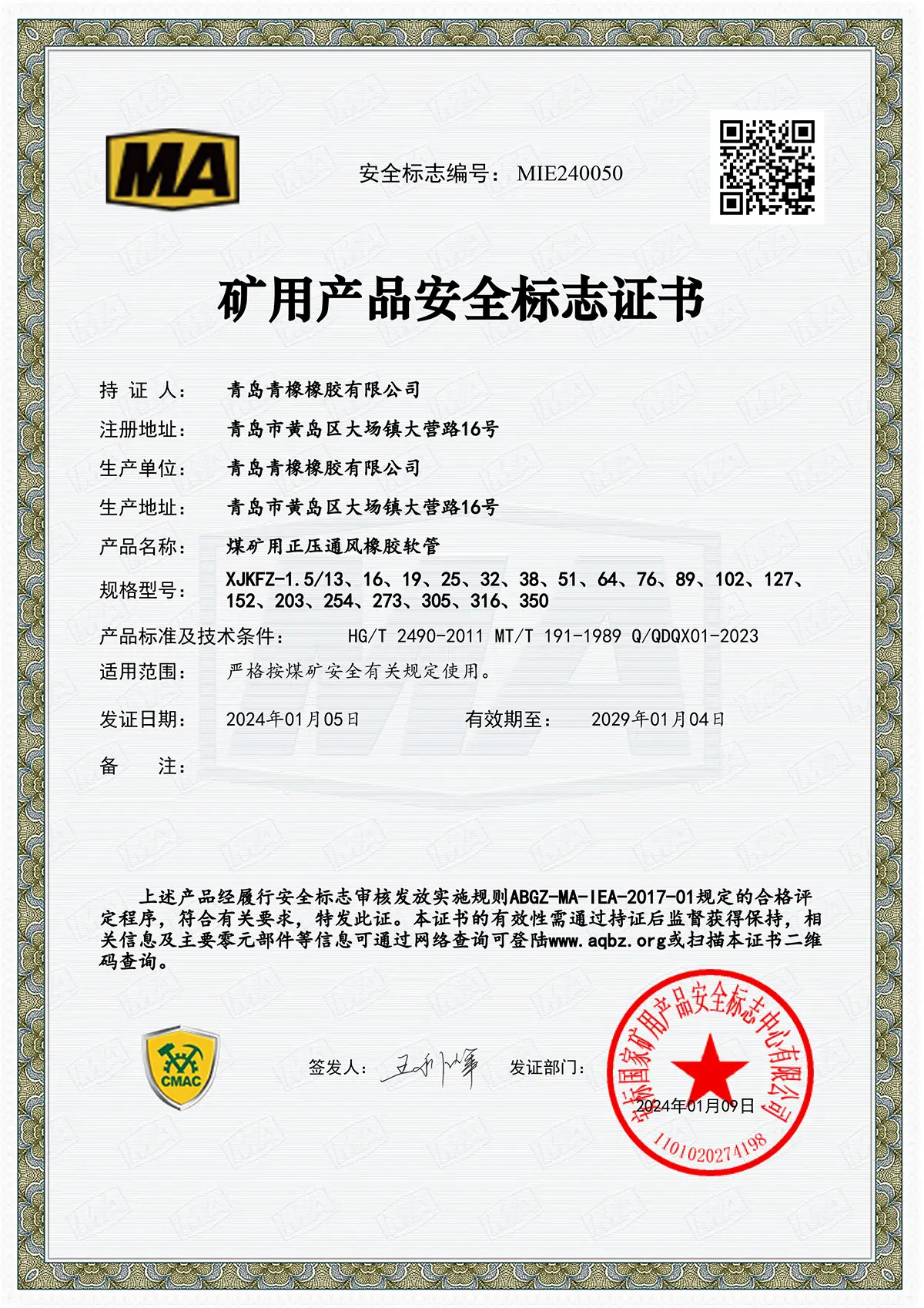
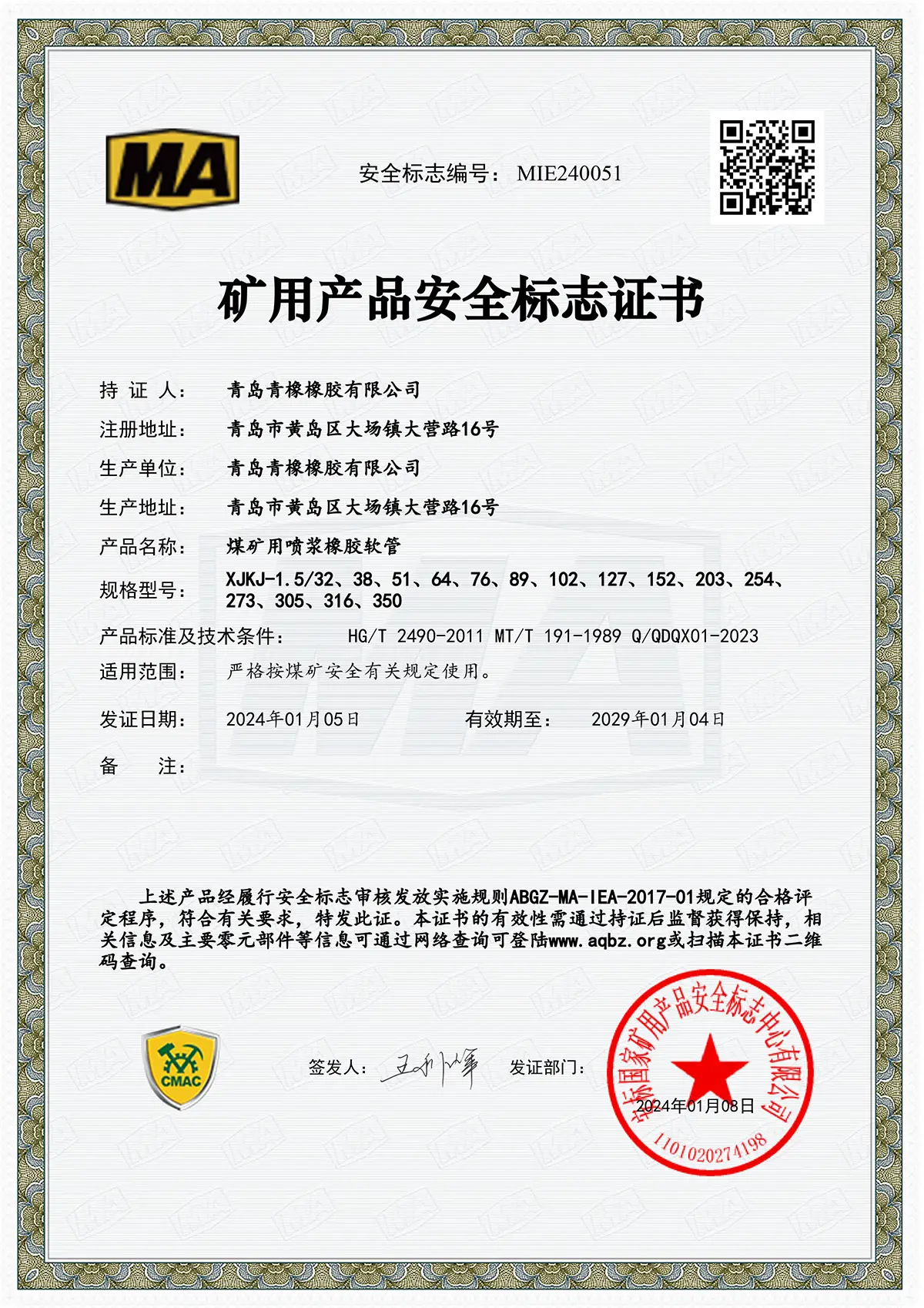
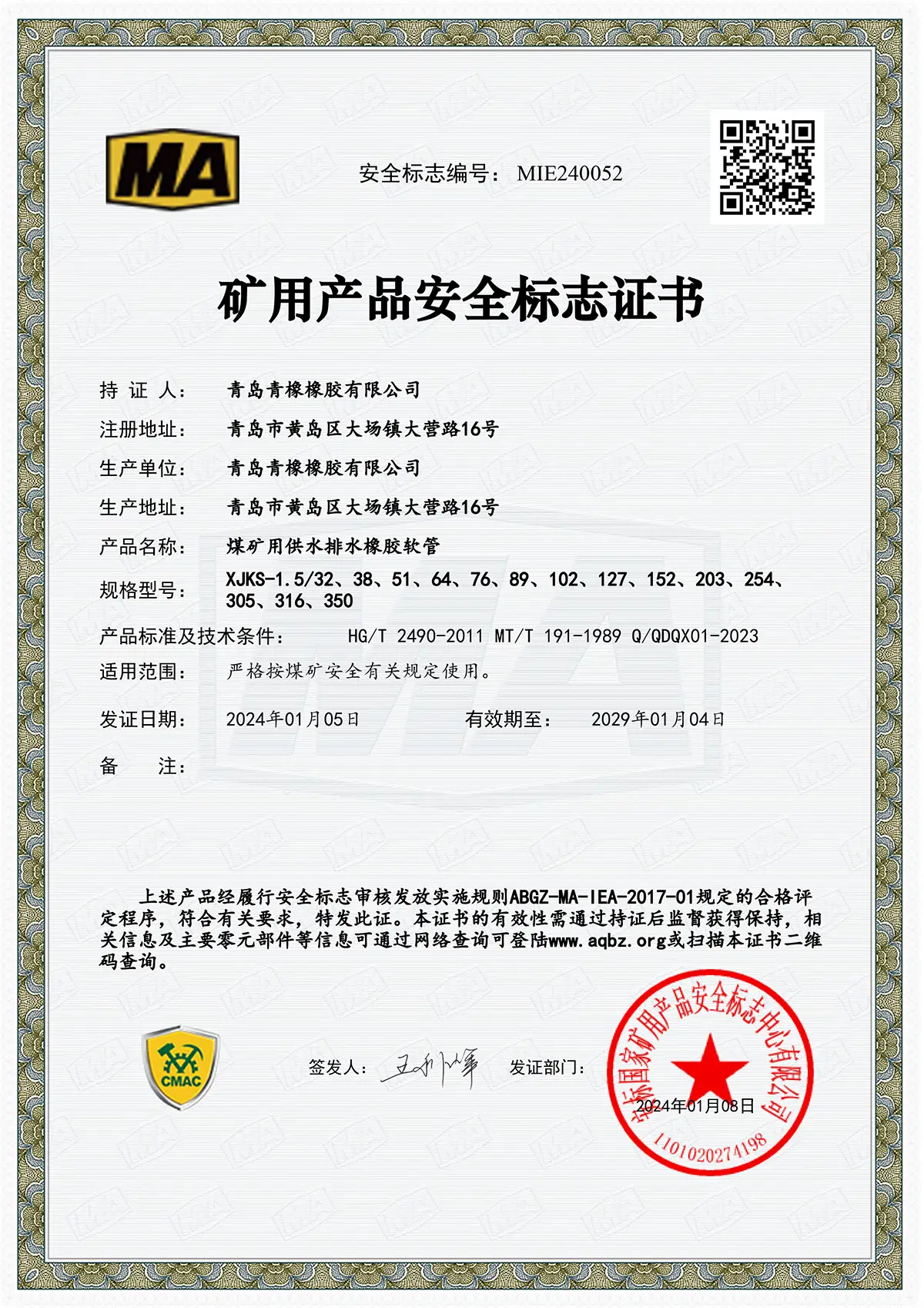
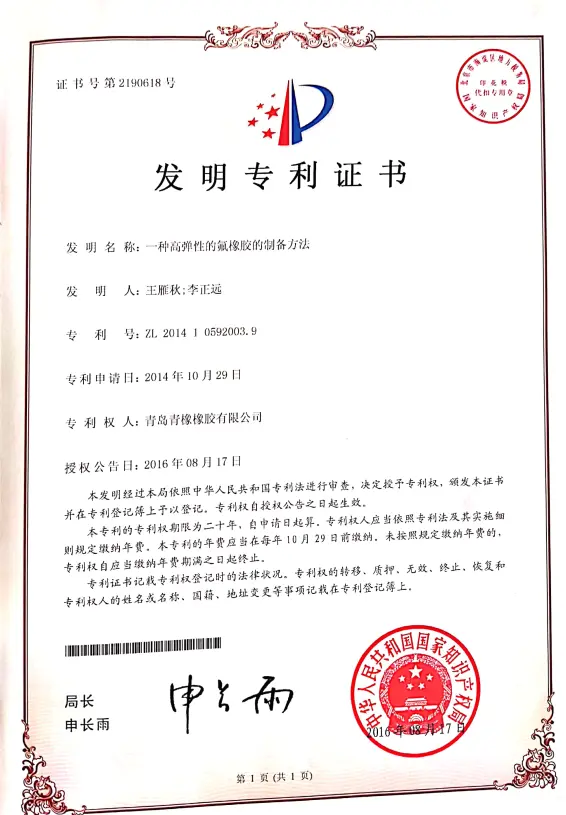
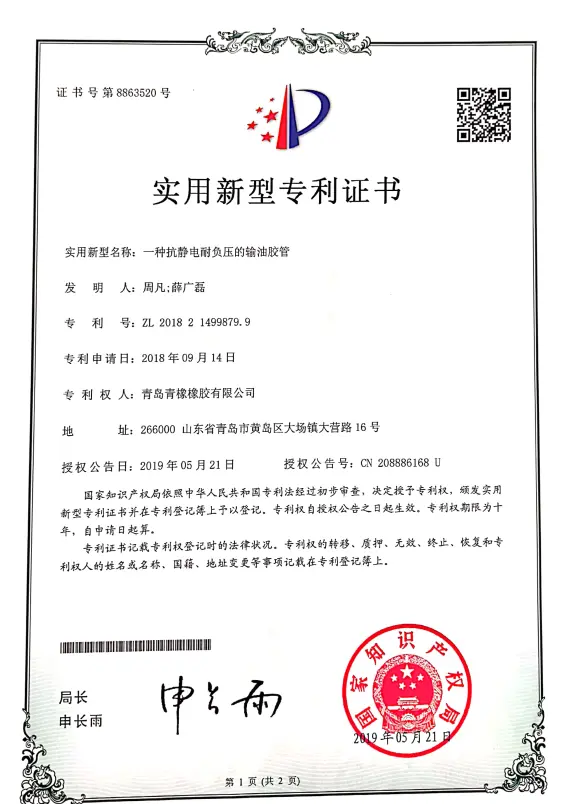
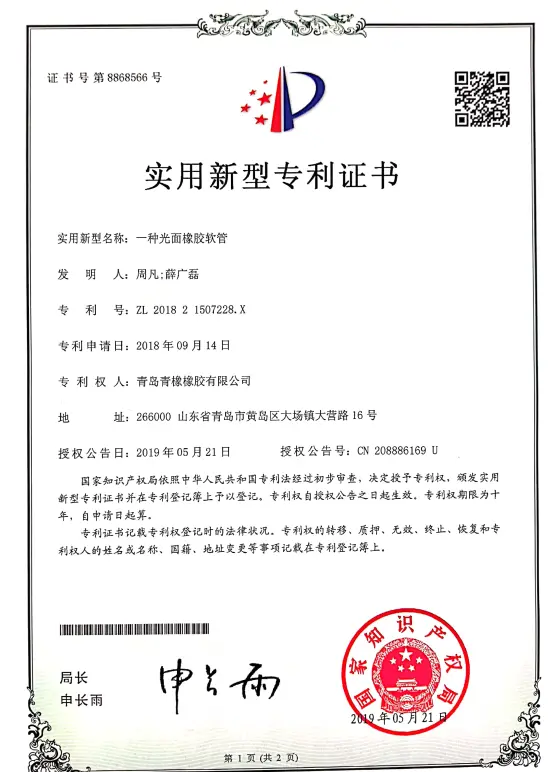
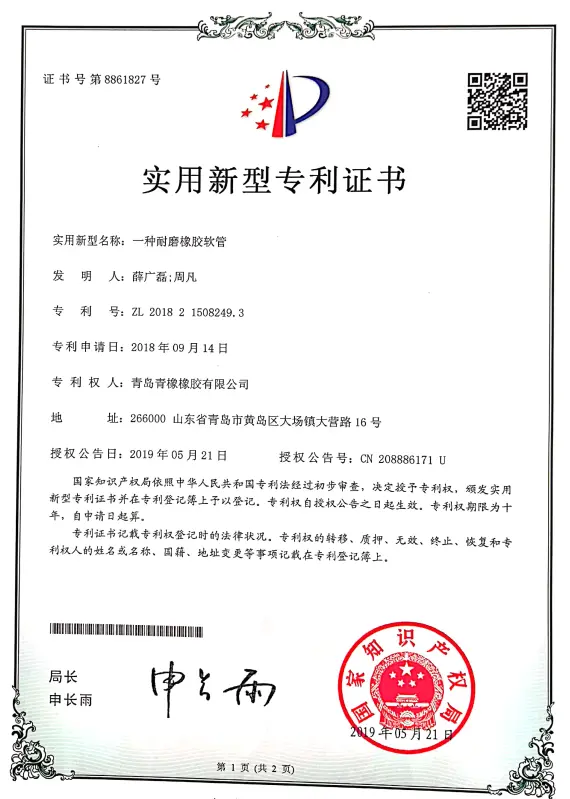
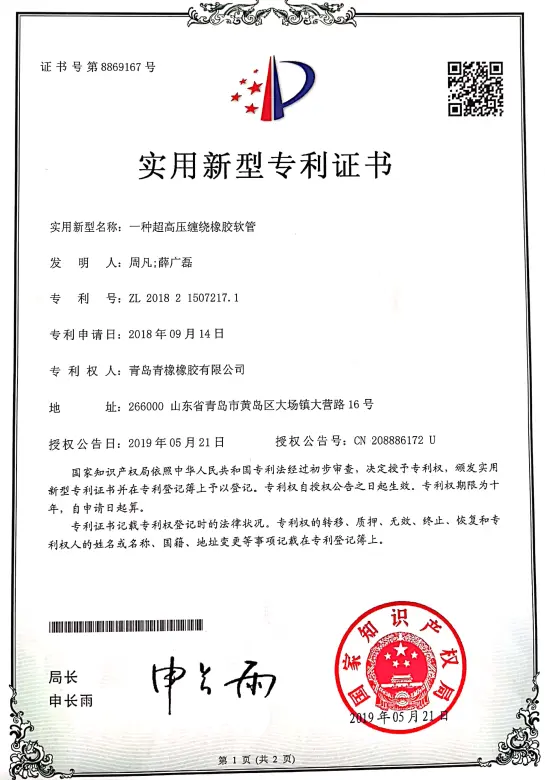
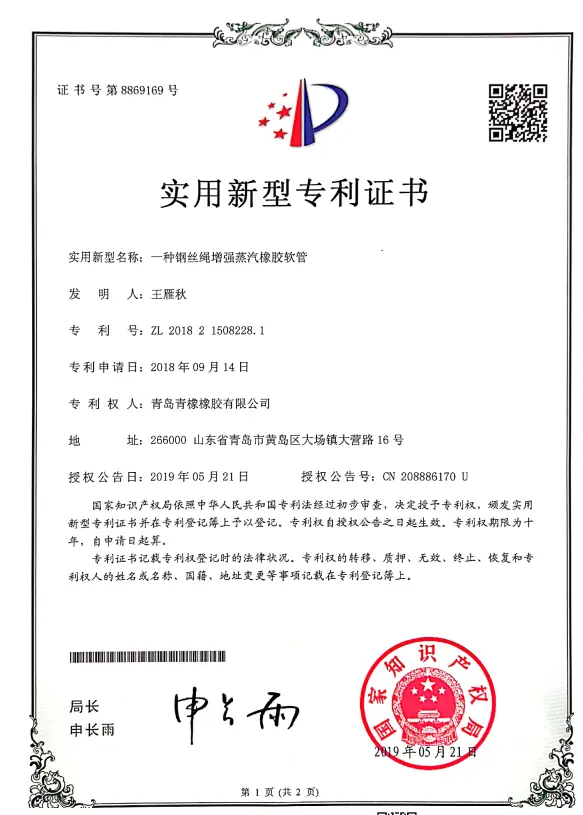
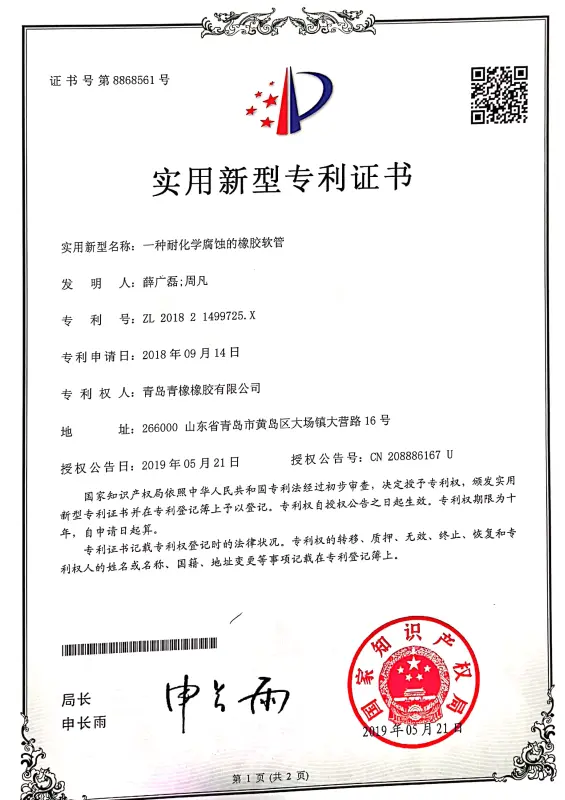
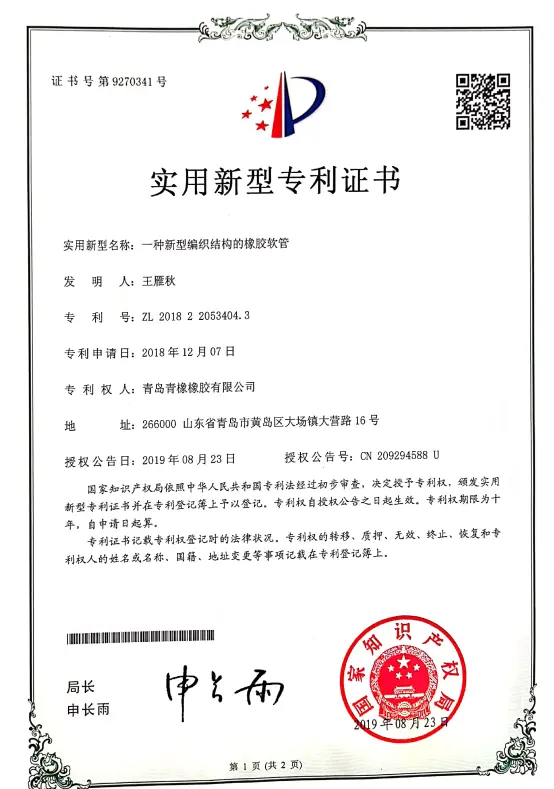
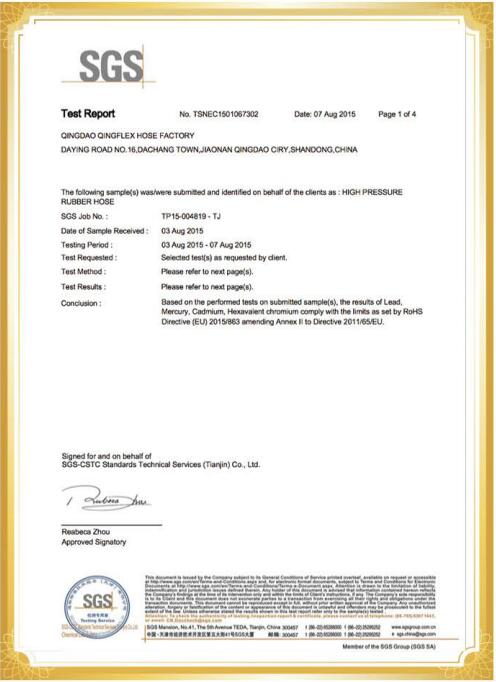
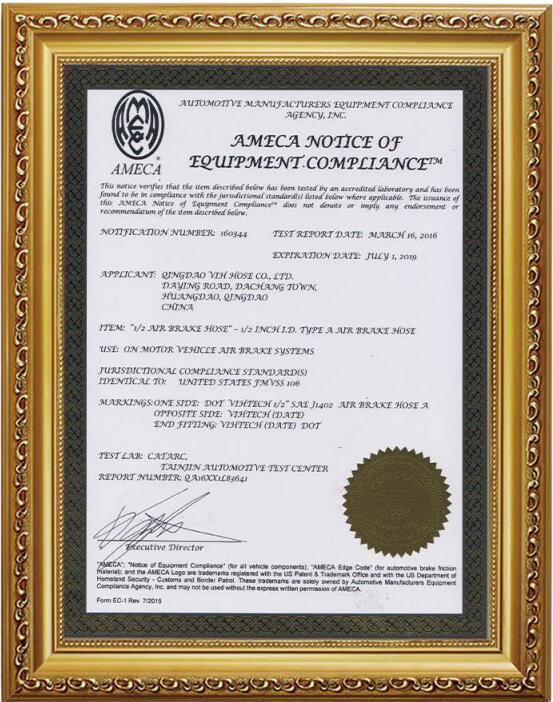
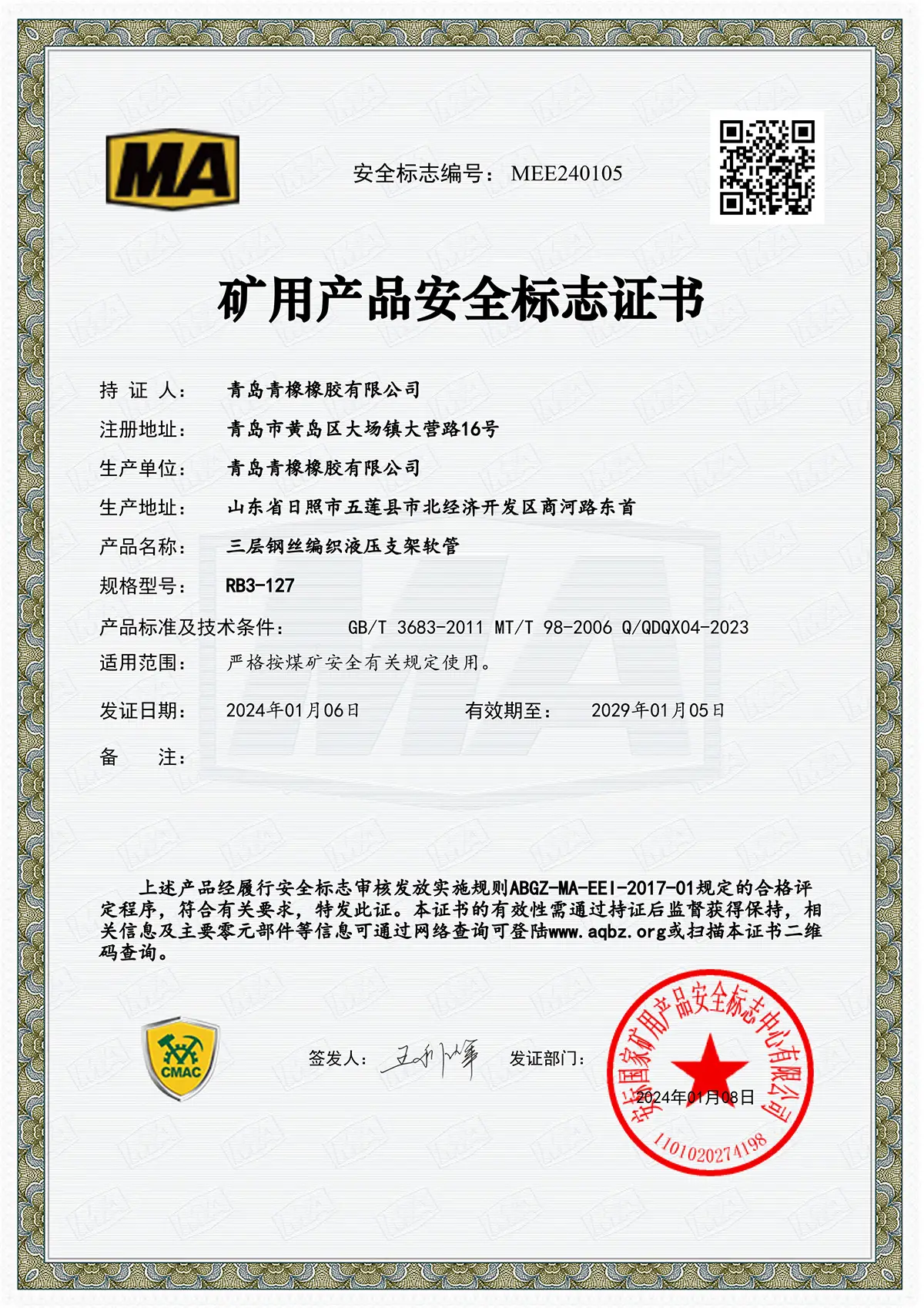
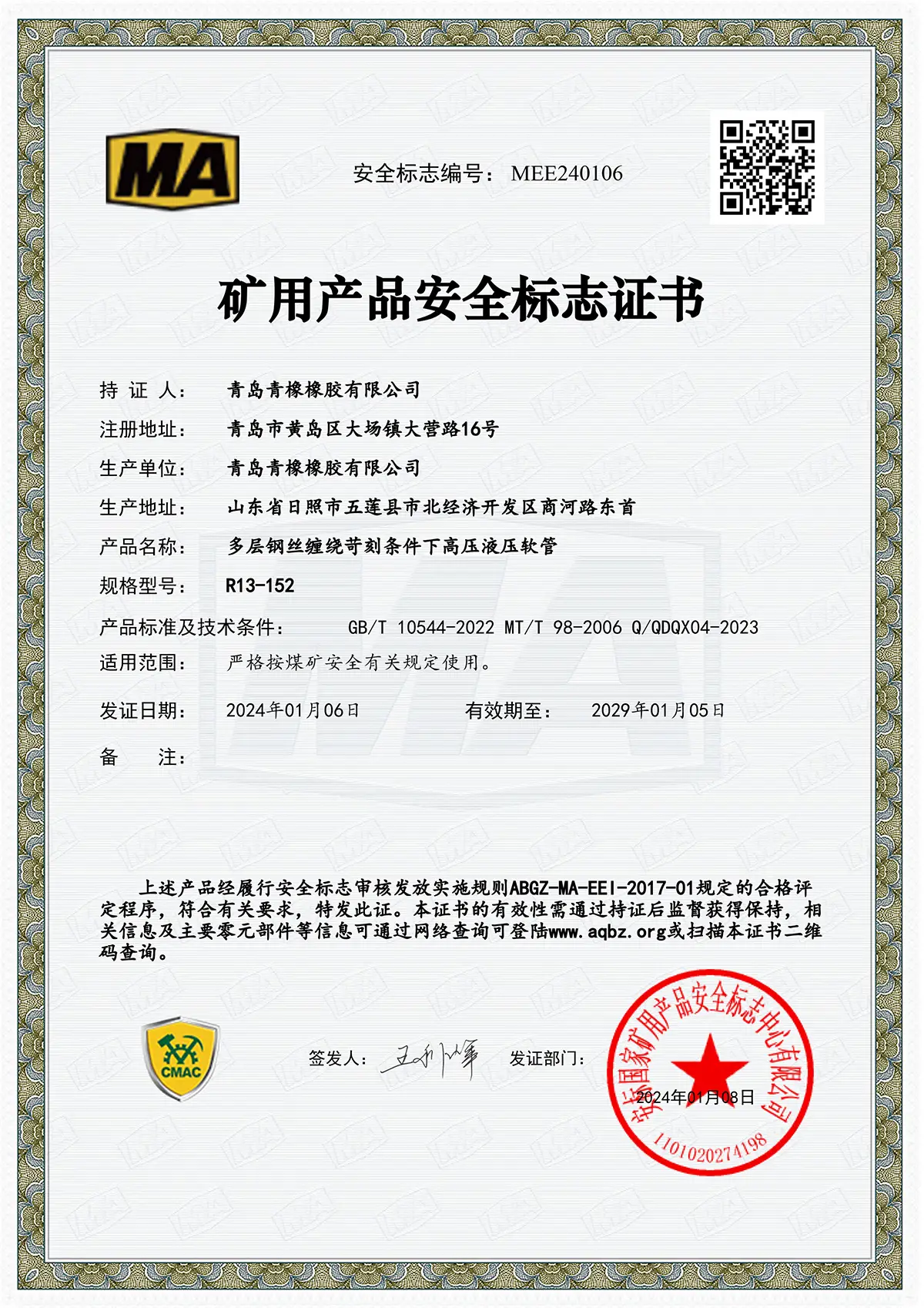
Our company proudly possesses certifications from DNV MED, CCS, ABS, and API, underscoring our unwavering commitment to delivering products of exceptional quality and reliability.


Qingflex, a leading enterprise, specializes in the research, development, and manufacturing of oilfield drilling hoses compliant with API standards such as API 7K and API 16C. Additionally, we produce acid frac hoses and hydraulic hoses meeting DIN, SAE, Japanese, and GB standards.
Our range includes AllienDrill hoses, API-7K Cement hoses, Rotary Drilling and Vibrator Hoses, API-16C Choke and Kill Hoses, BOP Control Hoses, and more. These products are crafted using state-of-the-art machinery and technologies, catering to the global oilfield sector.
Our AlienFrac Acid Fracturing Hose, both fitted with built in fittings and crimped fittings, boasts impressive Working Pressure (W.P.) ratings of up to 15,000 PSI and 20,000 PSI. They offer enhanced flexibility during installation and extended service life, making them an excellent alternative to steel pipes.
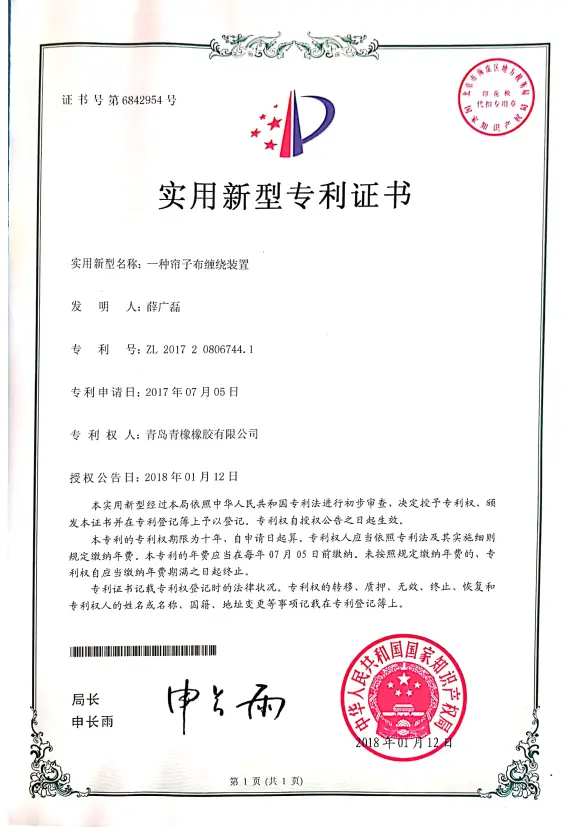
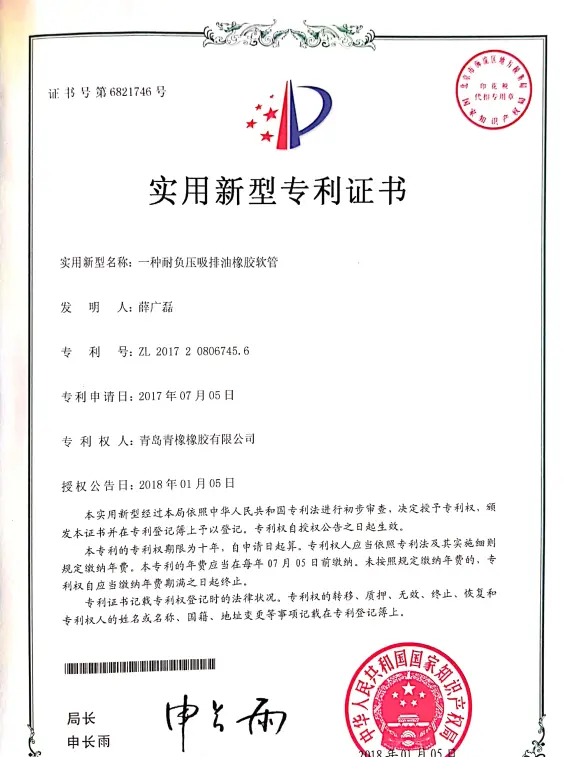
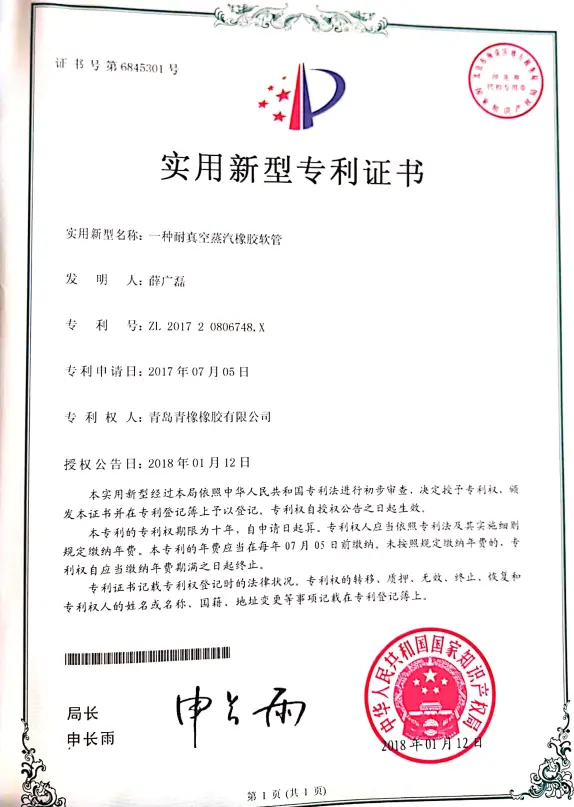
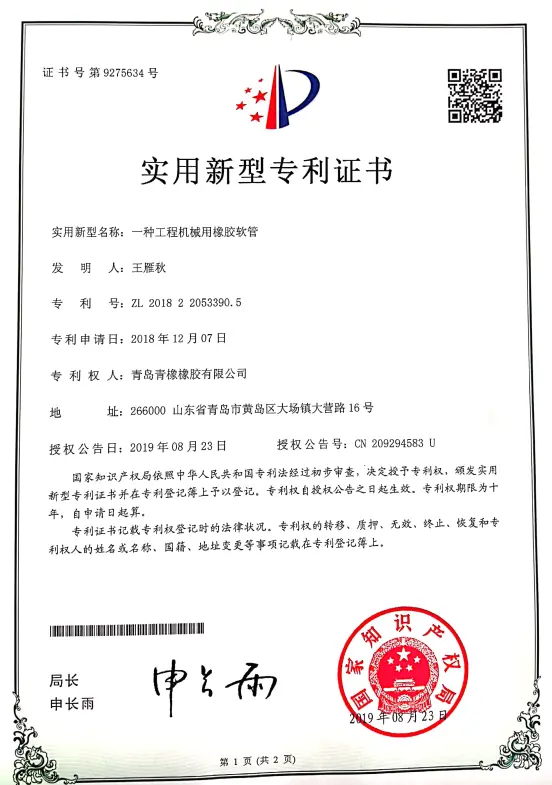
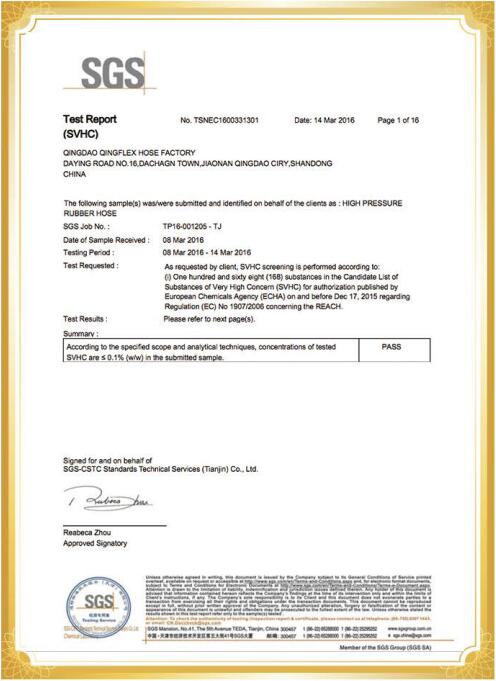
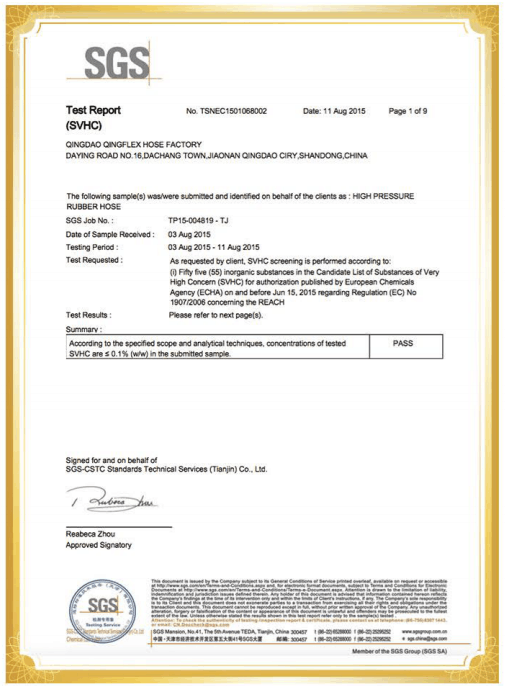
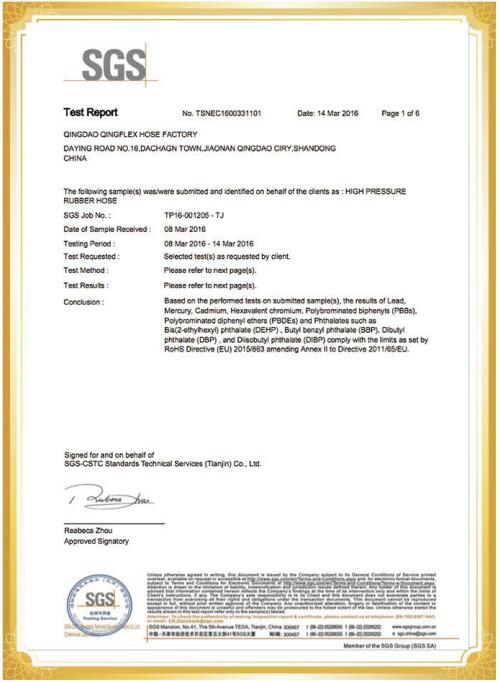
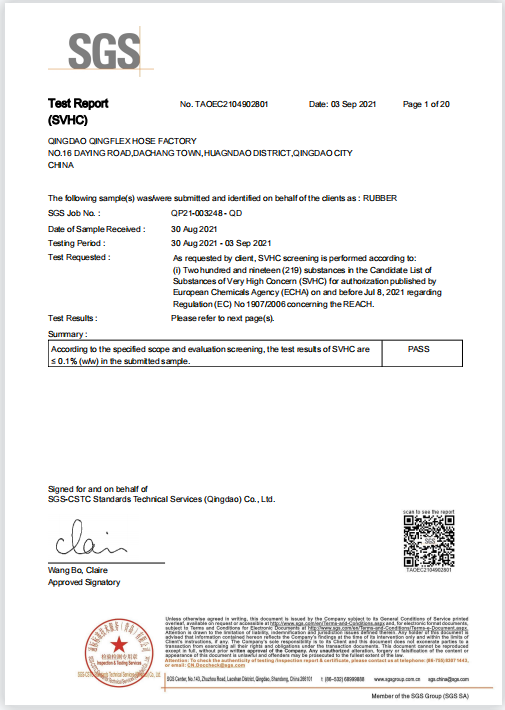
Certificates
FAQ of Drilling Hose
What Are Drilling Hoses?
Drilling hoses are high-pressure flexible hoses used in oilfield drilling systems to transport drilling fluids through the rig circulation system. These hoses connect key equipment such as mud pumps, standpipes, swivels, and drill strings. Strong reinforcement layers allow the hose to handle extreme pressure, vibration, and constant movement on drilling rigs.
Oilfield drilling operations depend on reliable drilling hoses to maintain stable drilling mud circulation and protect critical equipment.
Important features of drilling hoses include:
Reinforced construction for high pressure drilling operations
Flexible structure that adapts to rig movement
Strong resistance to abrasive drilling mud
Compatibility with oilfield drilling equipment
Stable fluid transfer during continuous drilling operations
High-quality drilling hoses improve drilling efficiency while reducing equipment stress and operational risks on the rig floor.
How Do Drilling Hoses Work in Oilfield Drilling Systems?
Drilling hoses form a critical connection network inside the drilling fluid circulation system. High-pressure mud pumps push drilling mud through reinforced hoses that connect major drilling components. The drilling fluid travels from the pump to the standpipe, through the rotary hose, and into the drill string before reaching the drill bit.
Continuous circulation removes rock cuttings, cools the drill bit, and maintains wellbore stability.
Typical drilling fluid circulation equipment connected by drilling hoses includes:
Mud pumps that generate high pressure drilling fluid
Rotary vibrator hoses that absorb pump vibration
Standpipes that carry drilling fluid upward
Rotary drilling hoses that connect to the swivel or top drive
Drill strings that deliver drilling mud downhole
Efficient hose performance keeps drilling fluid moving smoothly and supports stable drilling operations in demanding oilfield environments.
What Types of Drilling Hoses Are Used on Drilling Rigs?
Several specialized drilling hoses operate within oilfield drilling systems. Each hose type serves a different role based on pressure level, equipment movement, and drilling function.
Common drilling hose types include:
Rotary drilling hose for transferring high-pressure drilling mud to the drill string
Rotary vibrator hose for absorbing vibration between the mud pump and standpipe
Choke and kill hose for well control pressure management
Mud hose for transferring drilling mud and abrasive fluids
Cement hose for transporting cement slurry during well cementing
Each hose design focuses on specific drilling conditions such as pressure control, vibration absorption, or fluid transport. Proper hose selection improves drilling efficiency and enhances equipment safety.
Where Are Drilling Hoses Installed on a Drilling Rig?
Drilling hoses appear in several critical positions across the drilling rig fluid circulation system. Each installation point requires hoses capable of handling high pressure, strong vibration, and constant movement.
Common drilling hose installation locations include:
Between the mud pump and standpipe to reduce pump vibration
Between the standpipe and swivel or top drive to deliver drilling mud
Within well control systems to manage pressure during drilling
Between pumping units and cementing equipment during cementing operations
What Materials Are Used to Manufacture Drilling Hoses?
Professional drilling hoses use multi-layer engineered materials designed for high pressure oilfield environments. Each layer supports a specific function that maintains hose strength and flexibility during drilling operations.
Typical drilling hose construction includes:
Oil-resistant inner rubber tube that carries drilling mud
Multiple layers of steel wire reinforcement for pressure resistance
Cushion rubber layers that maintain flexibility
Outer protective rubber cover that resists abrasion and weather exposure
This layered structure allows drilling hoses to withstand high pressure fluid transfer while maintaining the flexibility required for drilling rig movement.
What Factors Determine Drilling Hose Selection?
Proper drilling hose selection depends on several operational factors related to pressure capacity, fluid type, and drilling rig configuration. Oilfield operators evaluate these factors carefully before installing hoses in the drilling system.
Important selection considerations include:
Required working pressure and safety margin
Hose inner diameter for drilling mud flow capacity
Temperature resistance for drilling environments
Abrasion resistance against drilling solids
Connection compatibility with drilling rig equipment
Compliance with industry standards such as API specifications
Correct hose selection ensures reliable fluid circulation and improves operational safety during drilling operations.
Why Do Drilling Hoses Require High Pressure Ratings?
Oilfield drilling operations rely on powerful mud pumps that push drilling fluid through long drill strings deep into the wellbore. This process generates extremely high pressure within the circulation system. Drilling hoses must withstand these pressures without deformation or leakage.
High pressure ratings provide several operational benefits:
Stable drilling mud circulation during deep drilling operations
Reliable transport of drilling fluid through long pipe systems
Protection against hose rupture or pressure failure
Consistent performance under heavy pump loads
Safe operation during complex drilling activities
Strong reinforcement layers allow drilling hoses to maintain structural stability while remaining flexible enough for rig movement.
How Long Can Drilling Hoses Typically Last?
Drilling hose service life depends on working pressure, drilling fluid characteristics, environmental conditions, and maintenance practices. Proper inspection and handling can significantly extend operational lifespan.
Factors influencing drilling hose durability include:
Pressure cycles generated by mud pumps
Abrasion from drilling mud solids
Exposure to oil, chemicals, or extreme temperatures
Mechanical stress caused by rig movement
Storage and transportation conditions before installation
Routine inspection programs help detect wear, cracks, or structural deformation before serious failure occurs.
What Standards Should Drilling Hoses Meet?
Drilling hoses used in oilfield operations must comply with recognized industry standards that ensure safety, pressure performance, and material quality. Certified hoses support reliable drilling operations and protect critical equipment.
Key standards for drilling hoses include:
API specifications for oilfield drilling hoses
Pressure testing verification during manufacturing
Strict quality control procedures during production
Material traceability throughout manufacturing stages
Compatibility with drilling rig connection systems
Compliance with these standards ensures dependable hose performance in demanding oilfield environments.
Why Work With Experienced Rotary Drilling Hose Manufacturers?
Experienced rotary drilling hose manufacturers provide engineering expertise, strict quality control, and specialized production processes designed for oilfield drilling applications. Reliable manufacturers understand the complex requirements of high-pressure drilling systems.
Professional drilling hose manufacturers provide:
Advanced hose design for extreme pressure environments
Consistent manufacturing processes for reliable product quality
Reinforcement technology that supports long service life
Technical support for hose selection and application
Stable supply for large-scale oilfield projects
Strong manufacturing capability ensures dependable drilling hose performance and long-term reliability in oilfield drilling operations.
Want to Speak to a Professional?